When it comes to achieving a lush, healthy lawn, timing is everything. Applying Scotts Weed and Feed at the right time can make all the difference between a greener lawn and one that's overrun with weeds.
In fact, applying weed-and-feed products at the wrong time can result in less effective weed control and poor fertilizer absorption, wasting both time and money. For homeowners in Buffalo and surrounding areas, where the winter chill lingers and spring arrives a bit later, understanding the precise timing for Scotts Weed and Feed application is crucial.
The right timing ensures effective weed control, optimized fertilization, and long-term lawn health. This guide will walk you through when and how to apply Scotts Weed and Feed, ensuring your lawn gets the best start possible this season.
Scotts Weed and Feed is a two-in-one lawn care product that combines both fertilization and weed control. It is designed to promote grass growth while simultaneously targeting and eliminating common lawn weeds, such as dandelions, crabgrass, and clover.
Weed-and-feed products like Scotts typically contain herbicides (such as 2,4-D and Dicamba) that target broadleaf weeds and fertilizers (such as nitrogen, phosphorus, and potassium) that nourish the grass.
The herbicides in Scotts Weed and Feed work best in early spring and fall, when weeds are actively growing but have not yet fully rooted. The herbicides disrupt photosynthesis in weeds, preventing them from absorbing essential nutrients and ultimately killing them.
Importantly, these herbicides are designed to affect broadleaf weeds, so they have minimal impact on the grass itself, making them safe for turf when used as directed.
By understanding how Scotts Weed and Feed work, homeowners can achieve a lush, healthy, and weed-free lawn with less effort and better results.
Suggested Read: Lawn Care and Maintenance Tips for Beginners
Next, let's explore the best time to apply Scotts Weed and Feed, focusing on the 2026 season and Buffalo's unique climate needs.
The right timing for applying Scotts Weed and Feed is essential for a healthy, weed-free lawn in 2026, especially in climates like Buffalo's. Getting the timing right ensures the maximum effectiveness of both the fertilizer and weed-control components of the product.

To achieve the best results, it's not just about the calendar date, but also about soil temperature and weather patterns.
The effectiveness of Scotts Weed and Feed depends heavily on soil temperature. Herbicides like those in Scotts Weed and Feed are most effective when soil temperatures reach 55° F.
This is when many common weeds, such as crabgrass, dandelions, and clover, begin to germinate. Applying weed-and-feed during this window ensures weeds are controlled before they can establish deep roots and spread.
Buffalo's spring weather, characterized by late-season lake-effect snow and unpredictable frosts, can delay soil temperature increases, making precise timing tricky. Cold weather, particularly late frosts, can delay soil warming, leading to temperature fluctuations even into mid-spring.
This means that a slight delay in the application could result in poor weed control and ineffective fertilization. For the best results, homeowners should aim to apply after the last frost and when daytime temperatures remain above 50°F.
Proper lawn care before applying Scotts Weed and Feed is equally important for its success. Mowing the lawn to a medium height and raking up debris ensures the herbicide and fertilizer can penetrate the soil properly, making the treatment more effective.
Next, let's look at how to apply Scotts Weed and Feed correctly to ensure the best possible results for your lawn in 2026.
Proper application of Scotts Weed and Feed is crucial to its effectiveness. Applying it at the wrong time, using the wrong tools, or failing to follow the correct procedure can result in poor weed control, ineffective fertilization, or even lawn damage.
Let's dive into the step-by-step application process to ensure you achieve a greener, healthier lawn in 2026.
Before applying Scotts Weed and Feed, ensure that the lawn is ready for the treatment. This means performing basic lawn preparation tasks such as:
To apply Scotts Weed and Feed evenly across your lawn, using the right spreader is critical. The two main types of spreaders are:
Important Calibration Step: Be sure to calibrate your spreader according to the instructions on the Scotts Weed and Feed package. Applying too much can harm your lawn, while too little reduces effectiveness.
After applying Scotts Weed and Feed, water the lawn thoroughly to activate the product. This helps both the fertilizer and herbicide penetrate into the soil. You can water immediately after applying to activate the weed control and ensure the fertilizer reaches the roots for maximum growth.
After applying Scotts Weed and Feed, wait at least 24-48 hours before mowing your lawn. Mowing too soon can disturb the product and reduce its effectiveness. It's also important to avoid walking on the lawn immediately after application to allow the chemicals to be absorbed and prevent them from being tracked into your home.
After application, monitor your lawn over the next few weeks. If weeds persist or the lawn seems to need more nutrients, you may consider a second treatment in mid to late spring. However, ensure that any reapplication follows the instructions on the Scotts Weed and Feed label to avoid over-application.
By following these steps, you will maximize the benefits of Scotts Weed and Feed, ensuring a healthier, greener lawn with minimal weed growth in 2026.
If you need help with the application process or want to ensure you're using the best products for your lawn, Percy's Lawn Care offers expert guidance and professional application services. Schedule a call today!
Next, let's look at common mistakes to avoid when using Scotts Weed and Feed, to help you get the best results without risking damage to your lawn.
Even when you use a popular and reliable product like Scotts Weed and Feed, there are a few critical mistakes that can undermine its effectiveness. These are not just basic errors, but often subtle ones that many homeowners miss.
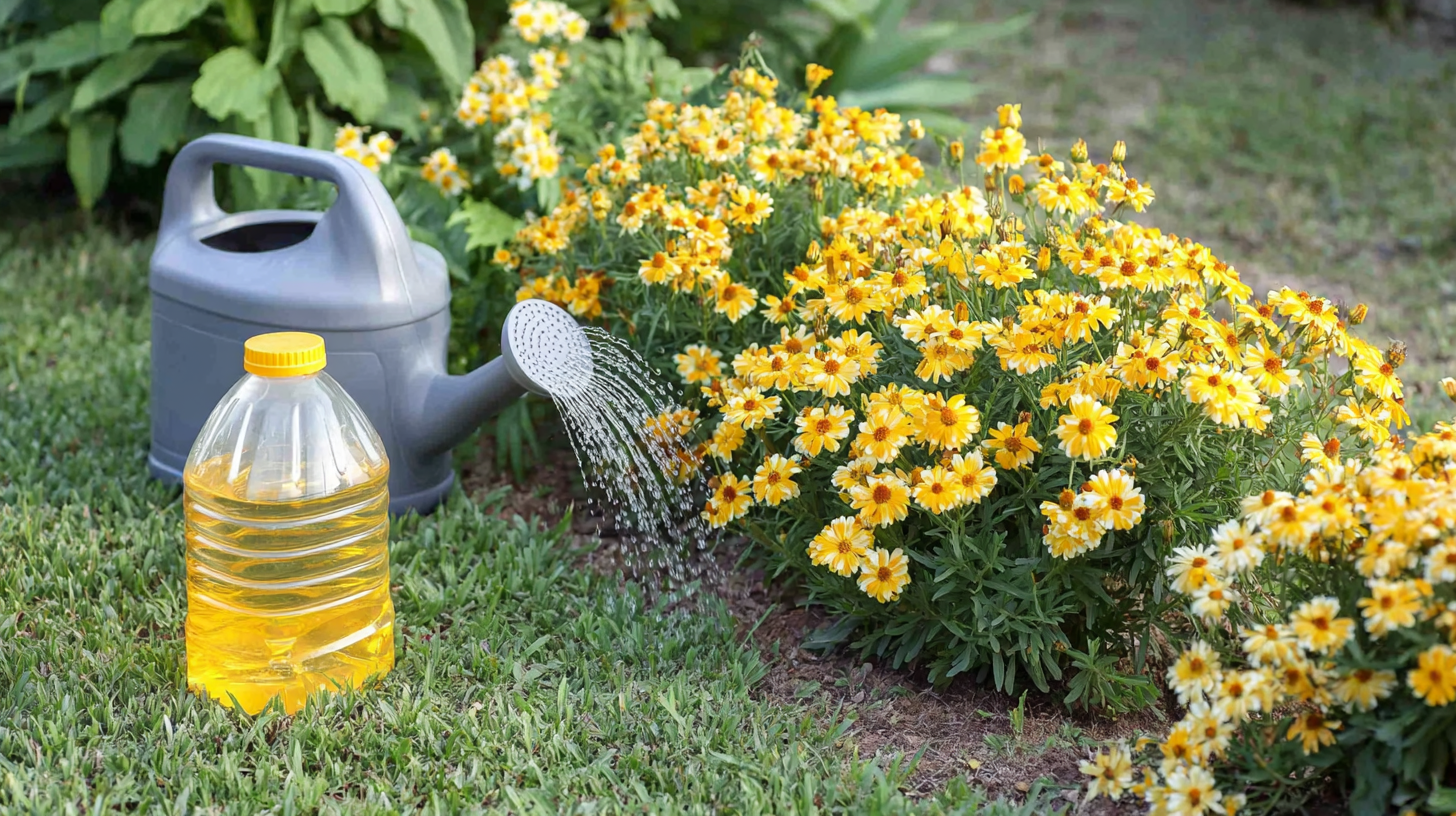
Here are some of the most overlooked mistakes and how to avoid them for a greener, healthier lawn.
Applying Scotts Weed and Feed on a newly seeded or recently laid sod lawn can damage the young grass. The product contains fertilizer and herbicide, and using it too early can cause grass stress or even burn the delicate new grass.
Many homeowners apply Scotts Weed and Feed uniformly across their lawns, but shady areas require different care. Grass in these zones typically grows more slowly and may not absorb the nitrogen and herbicides as efficiently. Applying too much product here can lead to uneven growth or fertilizer burn.
Many people rush to mow their lawns soon after applying Scotts Weed and Feed. This disrupts the product's ability to adhere to soil and grass, and it dislodges the herbicide before it can effectively target weeds.
Some people apply Scotts Weed and Feed without considering the weed's growth stage. If weeds are already mature, herbicides may not work as effectively, and you may waste time and money.
Many homeowners apply Scotts Weed and Feed on a calendar schedule, without considering local weather conditions. Applying the product in wet, windy, or hot conditions can cause uneven distribution, and rain may wash it away before it can work.
By avoiding these critical mistakes, you can ensure that Scotts Weed and Feed performs to its full potential, promoting a greener, healthier lawn and effective weed control in 2026.
Achieving a lush, weed-free lawn requires consistent care and timing, especially in climates like Buffalo's. At Percy's Lawn Care, we apply the same attention to detail and planning that we use for our snow removal services to your lawn care needs.
As a family-owned company serving Buffalo and the surrounding areas since 1999, we understand how the harsh winter affects your lawn, and we're here to help you make the most of the growing season.
Our support goes beyond just applying Scotts Weed and Feed:
For a personalized lawn care plan or to schedule a free consultation, Percy's Lawn Care can be reached at (716) 245-5296 or hello@percyslawncare.com.
Achieving a greener, healthier lawn in 2026 starts with the right timing for applying Scotts Weed and Feed. Proper application ensures that you're making the most out of the product's dual-action formula. From early spring applications to ideal weather conditions, understanding these key principles will set you on the path to success.
Having a professional plan in place is essential as well. If you need guidance on when and how to apply Scotts Weed and Feed or if you prefer professional lawn care services customized to your specific needs, Percy's Lawn Care is here to help.
Reach out to Percy's Lawn Care for a free on-site consultation to create a lawn care plan that fits your needs this season.
Q1: Can I apply Scotts Weed and Feed to my lawn in summer?
A: It's best to apply Scotts Weed and Feed in early spring or fall. Summer applications can stress your grass, especially during high heat, leading to poor nutrient absorption and weed control.
Q2: How long should I wait before mowing after applying Scotts Weed and Feed?
A: Wait at least 48 hours before mowing your lawn to allow the herbicide and fertilizer to fully settle into the soil and be absorbed by the grass.
Q3: Can I use Scotts Weed and Feed on all types of grass?
A: Scotts Weed and Feed is suitable for most cool-season grasses, such as bluegrass and fescue. However, it's not recommended for zoysia or Bermuda grass, as these warm-season grasses may not tolerate the herbicide effectively.
Q4: How often should I apply Scotts Weed and Feed to my lawn?
A: Apply Scotts Weed and Feed once per season, typically in early spring, for effective pre-emergent weed control. Over-application can lead to lawn stress and weed resistance.
Q5: Can I apply Scotts Weed and Feed if it's raining or about to rain?
A: Avoid applying Scotts Weed and Feed if rain is expected within 24 hours. Rain can wash away the product before it can activate, reducing its effectiveness. Apply on a dry day for best results.