Bermuda grass, known for its vibrant green color and durability, thrives in warm climates. But what happens when winter arrives?
In areas like Buffalo, NY, where temperatures regularly dip below freezing, Bermuda grass typically enters dormancy. That means it turns brown. This is a natural process, but for homeowners who've invested time and care into their lawns, it can be concerning.
While dormancy is entirely normal, it can raise questions about lawn health and maintenance. Does it signal damage? Will it come back? Understanding the science behind why Bermuda grass turns brown and how to manage it can significantly improve lawn care results.
This blog will answer those questions and more, with expert insights and actionable tips to help you maintain healthy Bermuda grass year-round, even in Buffalo's harsh winters.
Bermuda grass is a warm‑season turfgrass that evolved to grow actively in warm temperatures and high sunlight. When environmental conditions shift toward sustained cold, the grass's biology responds in ways that naturally cause it to turn brown.
This is expected and not a sign of permanent damage.
All bermudagrasses enter a dormancy period if grown where winter soil temperatures drop below 50 - 55°F. The grass may remain dormant for up to 5 months (until the soil temperature rises above 50-55 F), depending on location and cultivar.
At low temperatures, Bermuda grass biochemistry changes significantly:
This isn't just visual. Lower metabolic activity means the grass stops photosynthesizing and shifts to energy conservation.
It's important to be clear that brown Bermuda grass in winter is dormant, not dead. The above-ground blades lose color due to halted chlorophyll production, but roots and crowns remain alive beneath the soil, supporting regrowth when temperatures rise again.
Suggested Read: How to Plant and Care for Bermuda Grass Lawn
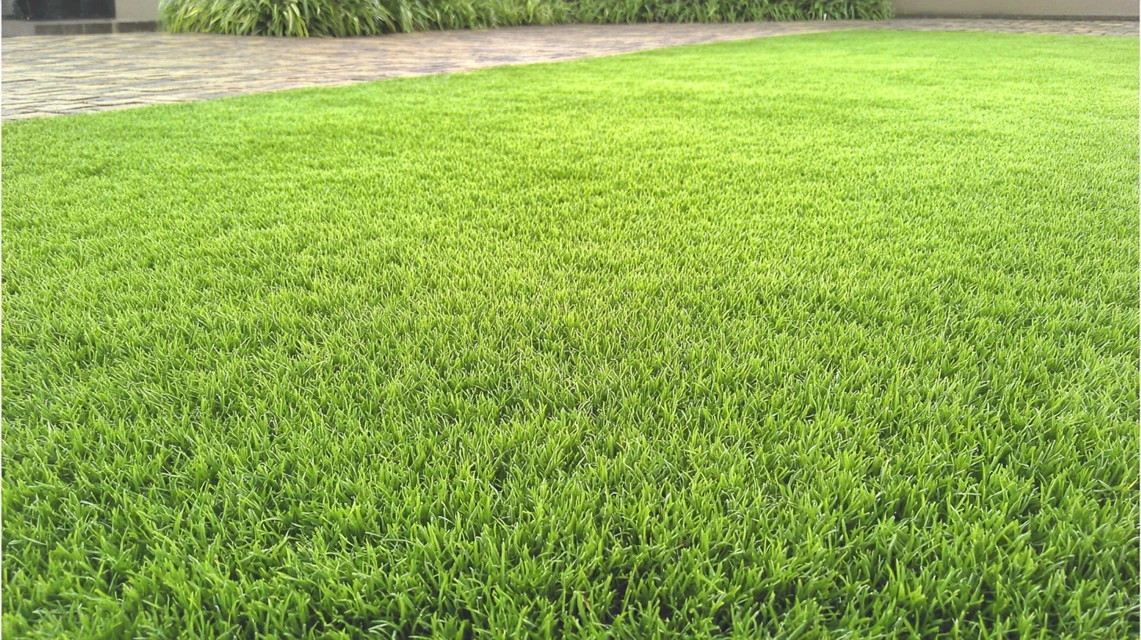
Bermuda grass may naturally turn brown and go dormant during Buffalo's harsh winters, but that doesn't mean it's time to neglect your lawn entirely. Proper winter care can ensure the grass comes back vibrant and strong once the weather warms.
Here's how to adjust your routine for winter conditions.
While Bermuda grass requires regular watering during its active growth phase, it needs far less water during the dormant winter months. In fact, over-watering during dormancy can cause more harm than good.
What to do:
In Buffalo's climate, your last mowing of the year is crucial to Bermuda grass's winter survival. Bermuda grass should be kept slightly taller going into winter. Cutting too short can expose the grass to frost damage, weakening its ability to survive freezing temperatures.
What to do:
Before the snow covers the ground, consider aerating your Bermuda grass lawn. Aeration reduces soil compaction, improves water drainage, and helps the roots get more oxygen, which can be crucial for healthy regrowth in spring.
What to do:
Applying mulch before the winter freeze can act as a protective blanket for Bermuda grass. A light layer of mulch helps to insulate the soil, preventing it from freezing too deeply and keeping the roots warmer throughout the coldest months.
What to do:
Buffalo's snowstorms and winter weather often increase foot traffic on lawns, whether from pets, children, or people moving from one place to another. However, this practice can severely damage dormant Bermuda grass.
What to do:
By using these techniques, you can ensure that your Bermuda grass survives Buffalo's cold temperatures and comes back stronger in spring.
Winter care requires the right balance. If you're unsure whether your watering and mowing practices are on track, Percy's Lawn Care offers expert lawn assessments to help you adjust your routine for maximum winter protection. Reach out for a free on-site consultation today!
While wintering Bermuda grass may seem straightforward, many homeowners make mistakes that can have a lasting impact on their lawn's recovery come spring. The key to winter care is not just what you do, but how you manage and balance the grass's needs.
Look at common mistakes that could hinder your Bermuda grass and how to avoid them.
Many homeowners overlook the importance of soil health during winter dormancy. Bermuda grass, like any plant, needs a solid root system to bounce back in spring. When homeowners skip soil health maintenance, they risk long-term issues, particularly compaction and poor aeration.
Watering Bermuda grass in winter may seem like the right move, but over-watering is one of the most common mistakes homeowners make. Bermuda grass goes dormant in winter, and excess water can lead to root rot or fungal diseases such as snow mold.
Timing your final mow for Bermuda grass in the fall is crucial. Cutting it too early or too late can expose the grass to unnecessary cold stress or prevent it from fully entering dormancy.
Buffalo winters are notorious for their freeze-thaw cycles, where the ground freezes during the night and thaws during the day. This fluctuation can damage Bermuda grass roots if the soil is poorly protected.
One of the most overlooked aspects of winter care is setting realistic expectations for Bermuda grass's spring recovery. While dormant Bermuda grass naturally turns brown in winter, many homeowners expect it to immediately green up at the first sign of warmth.
However, a slow spring recovery can be caused by poor winter preparation.
Bermuda grass is tough, but it requires proper care as we head into winter. Avoiding overwatering, maintaining proper mowing height, aerating before frost, and preparing for freeze-thaw cycles are essential practices that will set your Bermuda grass up for a healthy recovery in the spring.
Taking a proactive approach now ensures your lawn is ready to thrive when the temperatures warm.
Suggested Read: When to Grow and Plant Bermuda Grass?

In most cases, it will come back when spring temperatures rise. The key to Bermuda grass recovery lies in its perennial nature. Unlike annuals, Bermuda grass is designed to go dormant during winter and resume growth once temperatures rise.
When properly maintained, Bermuda grass typically comes back stronger each season.
The transition from dormancy to active growth doesn't happen overnight. Bermuda grass requires consistent warmth to resume growth. This is particularly important in climates like Buffalo, where spring temperatures can fluctuate significantly.
Additionally, fertilization is key to jumpstarting Bermuda grass's growth after dormancy. A light application of fertilizer in the spring helps the grass break dormancy faster and ensures that it gets the nutrients it needs to thrive.
Here's how to do:
In Buffalo, spring can be unpredictable. A late cold snap or frost can temporarily set back Bermuda grass recovery, even if it has started to green up.
Cover your Bermuda grass if a late frost is expected, using burlap or a frost cloth to protect it. Wait for stable temperatures before applying additional fertilizers or water to allow the grass to recover from any frost stress.
While most Bermuda grass lawns will bounce back after winter, some may have trouble, especially if the lawn has suffered excessive freeze damage, poor soil conditions, or other stresses.
If the grass doesn't recover by late spring, there may be underlying issues that need to be addressed.
Bermuda grass is a resilient grass species designed to survive winter dormancy. It will usually recover when temperatures rise above the required thresholds, but proper spring cleanups and care will support this recovery.
If the lawn doesn't recover on its own, professional lawn care can ensure it gets back on track.
Winter demands more than just protection from the cold—it requires planning, consistency, and expertise. At Percy's Lawn Care, we bring those values to every service, from winter prep to spring recovery care.
As a family-owned business serving Buffalo, Amherst, Cheektowaga, and surrounding areas since 1999, we understand how Buffalo winters affect your lawn's health and long-term growth.
Our support extends far beyond the basics of care:
With Percy's Lawn Care, you can rest assured your Bermuda grass is well-prepared for winter and positioned for a strong return come spring.
For winter care and year-round lawn services, Percy's Lawn Care is available at (716) 245-5296 or hello@percyslawncare.com.
Preparing your Bermuda grass for winter isn't just about making sure it survives the cold. It's about setting it up for a strong, healthy spring. Whether it's proper aeration, reducing foot traffic, or adjusting watering schedules, small steps now will help your lawn recover quickly as temperatures rise.
Percy's Lawn Care has been helping homeowners across Buffalo, Amherst, and Cheektowaga maintain their lawns year-round since 1999. With winter preparation plans and professional winter care services, we ensure your lawn stays protected through the cold and thrives when spring arrives.
Let Percy's Lawn Care be your partner in caring for Bermuda grass all year long. Contact us today for personalized lawn care solutions.
Q: Can Bermuda grass survive a harsh Buffalo winter?
A: Yes, Bermuda grass can survive Buffalo winters by going dormant, but it needs proper winter preparation, including aeration, proper mowing height, and minimizing foot traffic. It will green up again in spring when temperatures warm.
Q: How do I protect my Bermuda grass from snow mold in winter?
A: To prevent snow mold, ensure your Bermuda grass is not over-watered before winter, and consider mulching to protect the soil. Limit foot traffic during thaw periods to avoid compacting the grass under snow.
Q: Should I fertilize Bermuda grass in the winter?
A: Fertilization should be avoided in winter as it can cause growth when the grass is dormant, leading to stress. Apply a light, slow-release fertilizer in early fall to prepare it for dormancy instead.
Q: How long does it take for Bermuda grass to green up in spring?
A: Bermuda grass typically begins greening up once soil temperatures reach 65°F (18°C), which in Buffalo can happen around late April to early May, depending on the year's weather patterns.
Q: Can I overseed Bermuda grass with ryegrass to keep it green in winter?
A: Yes, overseeding Bermuda grass with ryegrass is a common practice in colder climates like Buffalo. Ryegrass germinates in the fall and stays green through winter, providing temporary cover until Bermuda grass revives in spring.