You step outside, look at your Bermudagrass lawn, and something feels off. Brown patches show up where green should be. Growth looks uneven. Spots seem to spread without warning. The hardest part is not seeing the damage; it is not knowing why it is happening.
Many Bermudagrass problems share the same symptoms. Insects, diseases, and environmental disorders can all cause thinning turf, discoloration, and weak growth. Guessing often leads to wasted time, wasted money, and more stress on the lawn.
This guide focuses on one clear question homeowners keep asking: Is your Bermudagrass problem an insect or a disorder? By learning what signs to look for and what causes them, you can respond with confidence and protect your lawn before minor issues turn into lasting damage.
Bermudagrass, known botanically as Cynodon dactylon, is a warm-season turf valued for its toughness and ability to handle summer heat. Many homeowners choose it because it recovers well from wear, fills in quickly, and keeps its color during hot stretches when other grasses struggle.
When conditions are right, Bermudagrass forms a dense, durable lawn that stands up to foot traffic and outdoor activity.
Bermudagrass performs best in warm, stable weather. In New York, growing conditions are less predictable, which can place stress on the turf. Here are the main reasons issues often appear.
Knowing how Bermudagrass responds to stress sets the stage for recognizing the subtle clues that reveal the true source of lawn damage.
Also Read: How to Identify Different Types of Lawn Grass
At first glance, lawn damage often looks the same. Brown patches, thinning turf, weak growth, and uneven color can come from very different causes. The key is learning how to read the clues your Bermudagrass gives you.
Small details often point to whether the issue comes from insects feeding below the surface or from stress tied to weather, soil, or care habits.
The shape and spread of damaged areas offer early hints.
If the damage follows sprinkler lines, slopes, or shaded sections, stress is more likely than insects.
A closer inspection can narrow things down further.
Insects cause direct injury. Disorders weaken the plant’s ability to grow.
Timing matters more than many homeowners expect.
If the lawn declines right after a weather shift or lawn treatment, stress is a strong suspect. Environmental stress weakens Bermudagrass and makes damage visible even in the absence of pests.
By combining these observations, you move from guessing to understanding. The next step is matching symptoms to the diseases and disorders seen most often in Bermudagrass.
Also Read: A Complete Guide to Mosquito Spraying for Your Yards
Many Bermudagrass problems are not caused by insects at all. Diseases and non-living disorders are far more common, especially in areas with changing weather, compacted soil, and moisture swings. These issues weaken the grass over time, making damage more visible and harder to ignore.
Here are the most frequent Bermudagrass diseases and disorders homeowners encounter, along with the clues that set each one apart:
Many of these problems share similar symptoms, which adds to the confusion. To avoid treating the wrong problem, you should also understand which insects can create symptoms that resemble common Bermudagrass disorders.
Also Read: Lawn Care vs Lawn Maintenance: What’s the Real Difference?
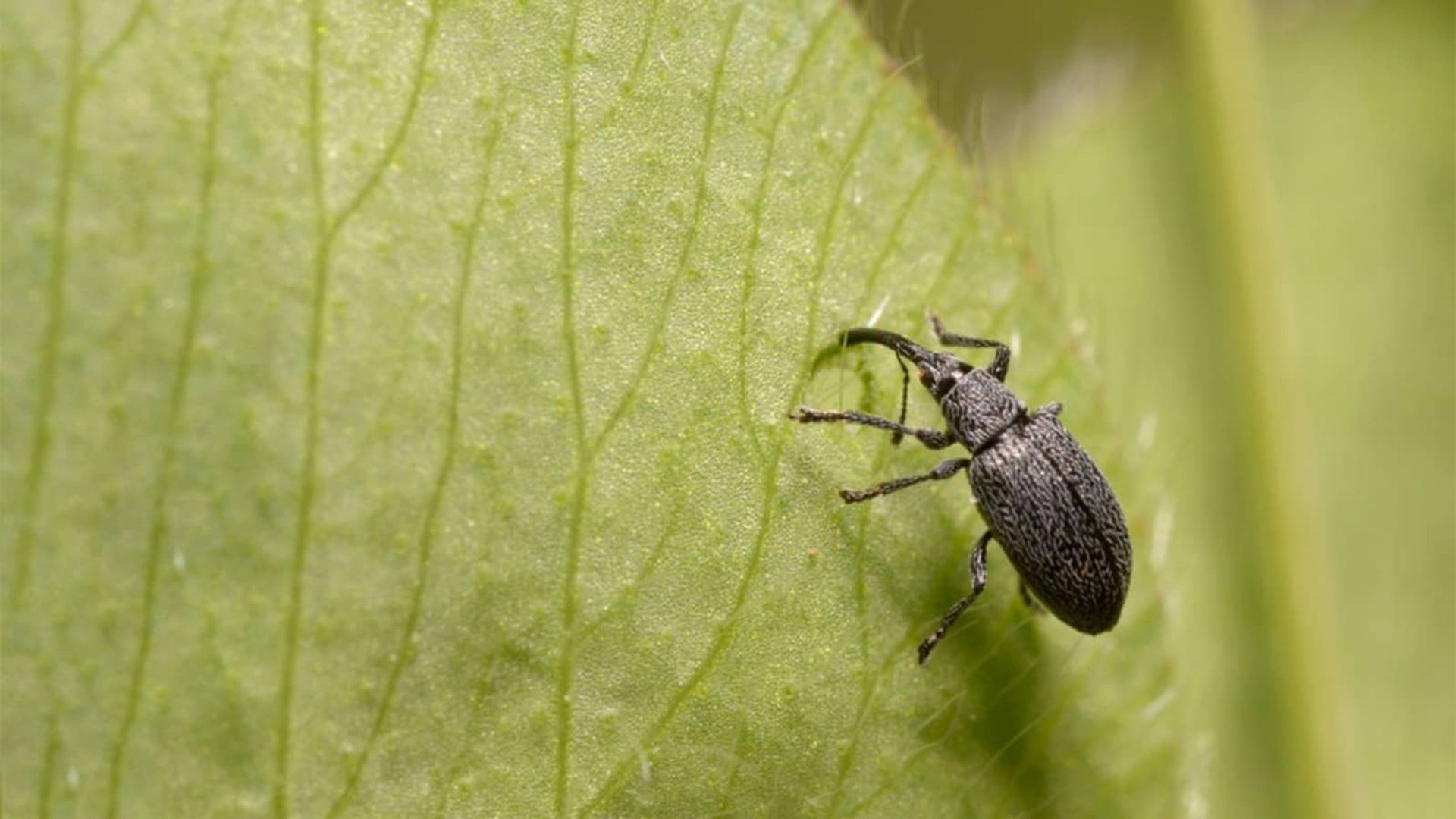
Some insects damage Bermudagrass in ways that closely resemble disease or stress-related disorders. The turf may thin out, turn brown, or stop growing, which often leads homeowners to treat the wrong problem first. Knowing which insects cause these symptoms helps narrow the cause and prevents unnecessary treatments.
Here are the most common insects that create disease-like damage in Bermudagrass:
After reviewing both insects and disorders, a clear process helps you narrow the cause before choosing any treatment approach.
Correct diagnosis saves time and prevents damage from guesswork. Many Bermudagrass issues look similar at first, but a simple inspection can reveal clear clues. You do not need special tools or advanced training, just a careful approach and a few minutes of observation.
Here are the steps that help narrow down the cause before any treatment begins:
Look at the shape and spread of the affected areas. Irregular patches that expand over time often point to insects, while uniform damage tied to slopes, walkways, or low spots often signals stress or disease.
Gently pull on the grass in damaged areas. If it lifts easily or roots appear chewed, insects are likely involved. If roots remain intact but shallow or weak, soil conditions or moisture problems are more likely.
Examine blade tips and edges. Clean cuts or chewed margins suggest insect feeding. Uniform browning or yellowing without bite marks often links back to disease or environmental pressure.
Think back over the last few weeks. Heavy rain, frost, drought, or fertilizer changes often trigger disorders. A steady decline during warm weather may point to insect activity.
Rapid changes over a short period often suggest feeding insects. Slower changes that stall or improve with weather shifts usually relate to stress or disease.
Diagnosis solves the immediate question, while prevention helps keep Bermudagrass stronger and less prone to future damage.

Strong Bermudagrass resists problems more effectively than stressed turf. While no lawn stays perfect year-round, steady care reduces the risk of both insects and disorders. Prevention focuses on supporting root growth, managing moisture, and avoiding sudden shocks to the grass.
Here are practical steps that help Bermudagrass stay resilient through changing conditions:
While routine care goes a long way, some lawn problems call for trained support and a closer evaluation of underlying conditions.
Also Read: Lawn Care vs Lawn Maintenance: What’s the Real Difference?
When Bermudagrass problems keep returning, or damage spreads faster than expected, outside support can bring clarity and relief. A trained eye can separate insects from disorders, spot early warning signs, and recommend care that fits local conditions.
Here are the ways Percy's Lawn Care supports homeowners across Western New York:
If you would like to talk through what you are seeing or ask about next steps, you can reach the team at (716) 245-5296 or hello@percyslawncare.com.
Bermudagrass problems often look worse than they are, but the wrong response can make them linger. By learning to spot the difference between insect damage and disorders, you put yourself in a better position to protect your lawn and act before minor issues spread.
If your lawn keeps showing the same symptoms or the cause still feels unclear, getting a second set of eyes can make all the difference. Contact us today to talk through what you are seeing and decide on the next steps with confidence.
1. What is bermudagrass considered?
Bermudagrass is classified as a warm-season turfgrass. It grows most actively during late spring and summer when temperatures remain high, and sunlight is strong. During cooler periods, growth slows, and color may fade, which is a normal response for this grass type.
2. What is Bermudagrass also known as?
Bermudagrass is sometimes called wiregrass or devil’s grass, names that reflect how aggressively it spreads under the right conditions. In scientific and agricultural settings, it is identified as Cynodon dactylon.
3. Is Bermudagrass disease resistant?
Bermudagrass has natural tolerance to several turf diseases compared to many cool-season grasses. That said, it can still develop disease issues when exposed to excess moisture, compacted soil, poor airflow, or improper care practices.
4. What are the benefits of Bermudagrass?
Bermudagrass forms a dense surface, repairs itself quickly, and handles regular foot traffic well. These traits make it a common choice for lawns, sports fields, and other areas where durability and recovery matter.
5. Is Bermudagrass a medicinal plant?
Outside of lawn use, Bermudagrass has a history of use in traditional remedies in some cultures. These applications are separate from turf management and should not be viewed as medical treatment or health advice.