Winter turns driveways, walkways, and yards into slippery, snow-covered areas. Even a small snowfall can create hazards if it is not addressed promptly. Improper snow removal can lead to injuries, damage to property, and unnecessary fatigue.
For homeowners aiming to maintain a safe and accessible yard throughout winter, using the right techniques is crucial. By planning ahead, using the proper tools, and following safety practices, you can clear snow effectively and reduce winter risks. This guide presents 10 expert-backed tips to make snow removal safer, easier, and more efficient.
Key Takeaways
Removing snow during winter is more than just a chore. It requires careful planning, the right techniques, and attention to safety. Approaching snow removal thoughtfully helps you protect your property, reduce physical strain, and save time.
The following ten tips provide practical guidance to tackle snow efficiently and keep your yard safe.
Snow removal is physically demanding, and rushing through it can lead to injuries, slips, or overexertion. Focusing on safety ensures that you complete the task efficiently while protecting yourself.
Before you pick up the shovel, consider these safety measures:
Once safety measures are in place, it is easier to manage snow in smaller, frequent intervals.
Waiting until snow piles up makes it heavier and more difficult to move. Frequent, smaller snow removals reduce physical strain and prevent ice formation underneath.
Keep your body protected by following these practices:
Acting quickly allows you to take advantage of fresh, powdery snow, which is easier to move.
Even with frequent clearing, winter storms can become difficult to manage, especially during long or heavy snowfall periods. If keeping up with snow removal starts to feel overwhelming, a quick on-site assessment can help determine the safest and most efficient approach for your property.
Percy’s Lawn Care offers free consultations, giving homeowners clear guidance and dependable support for winter snow management.
Fresh snow is lighter and easier to handle than wet or compacted snow. Removing it promptly lowers fatigue and reduces the risk of injury.
Tips to make the most of fresh snow:
Along with timing, having the correct tools ensures safe and efficient snow removal.
Using the correct shovel makes snow removal faster, safer, and less physically demanding. Choosing the right type depends on the snow conditions and the surfaces you are clearing:
With the right shovel, mastering proper technique becomes the key to safe snow removal.
Proper posture and technique are essential to prevent injuries. Using the correct form makes snow removal more efficient and reduces physical stress.
Follow these methods for proper form:
Even with proper technique, warming up before shoveling helps prevent injuries and improve endurance.
Shoveling is a physically intense activity similar to a workout. A proper warm-up prepares your muscles and reduces the risk of strains or pulls.
Simple warm-up tips include:
It is also important to recognize high-risk situations and avoid them when clearing snow.
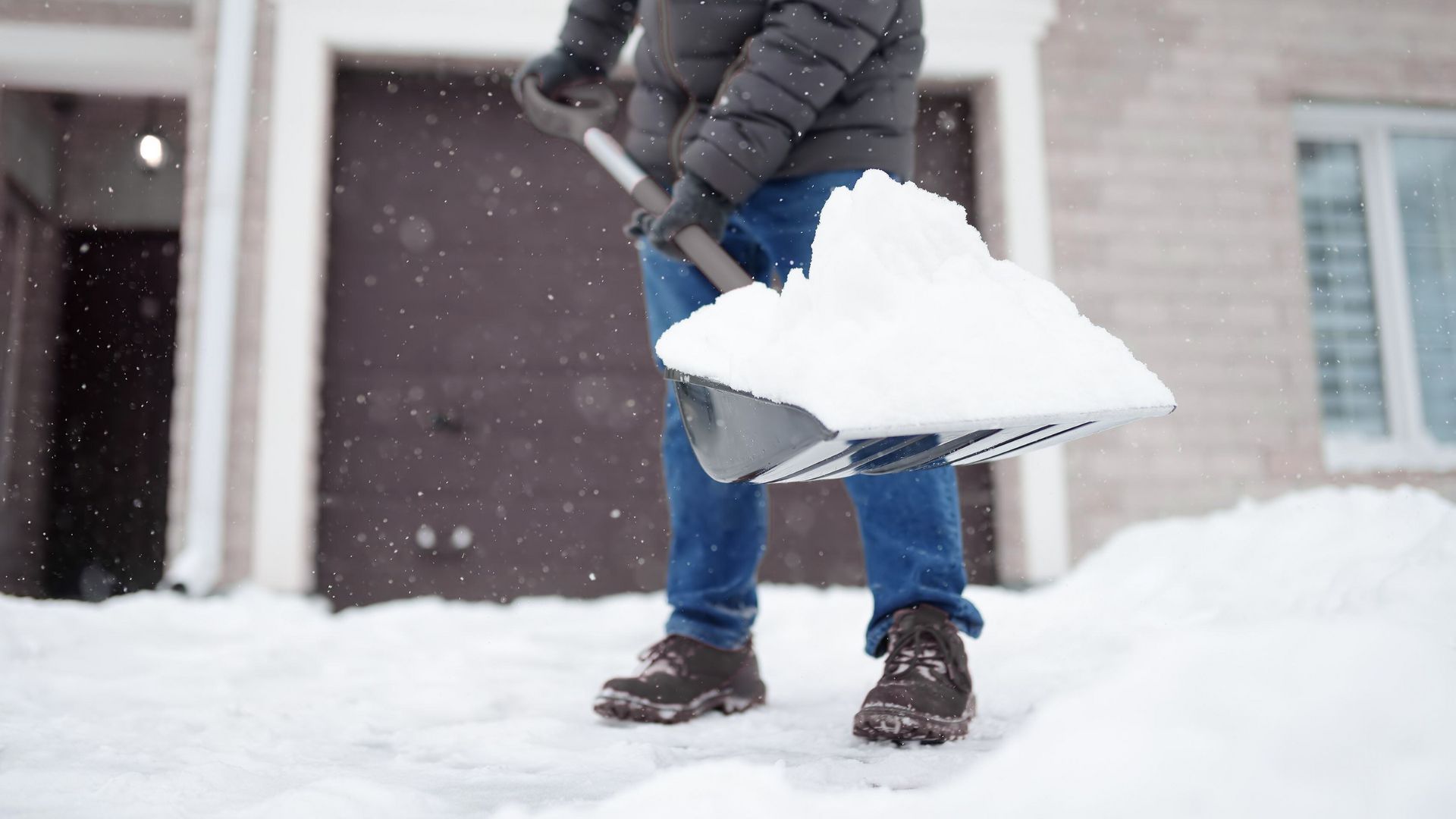
Certain conditions, such as hidden ice or shoveling after meals, increase the risk of injury. Being aware of these situations helps keep you safe while removing snow.
Keep these precautions in mind:
For larger areas or heavy snowfall, snowblowers can reduce effort and save time.
Snowblowers are particularly helpful for clearing large driveways or yards. They make snow removal faster while reducing physical strain.
Proper clothing and hydration are also essential when removing snow, even in cold weather.
Even in cold weather, snow removal can deplete energy and fluids quickly. Dressing in layers and staying hydrated prevents exhaustion and cold-related risks.
After clearing snow, post-shoveling care ensures safety and prevents future hazards.
Managing remaining snow and ice prevents slips and protects lawns, driveways, and other surfaces. Using safe products avoids harm to plants and pets.
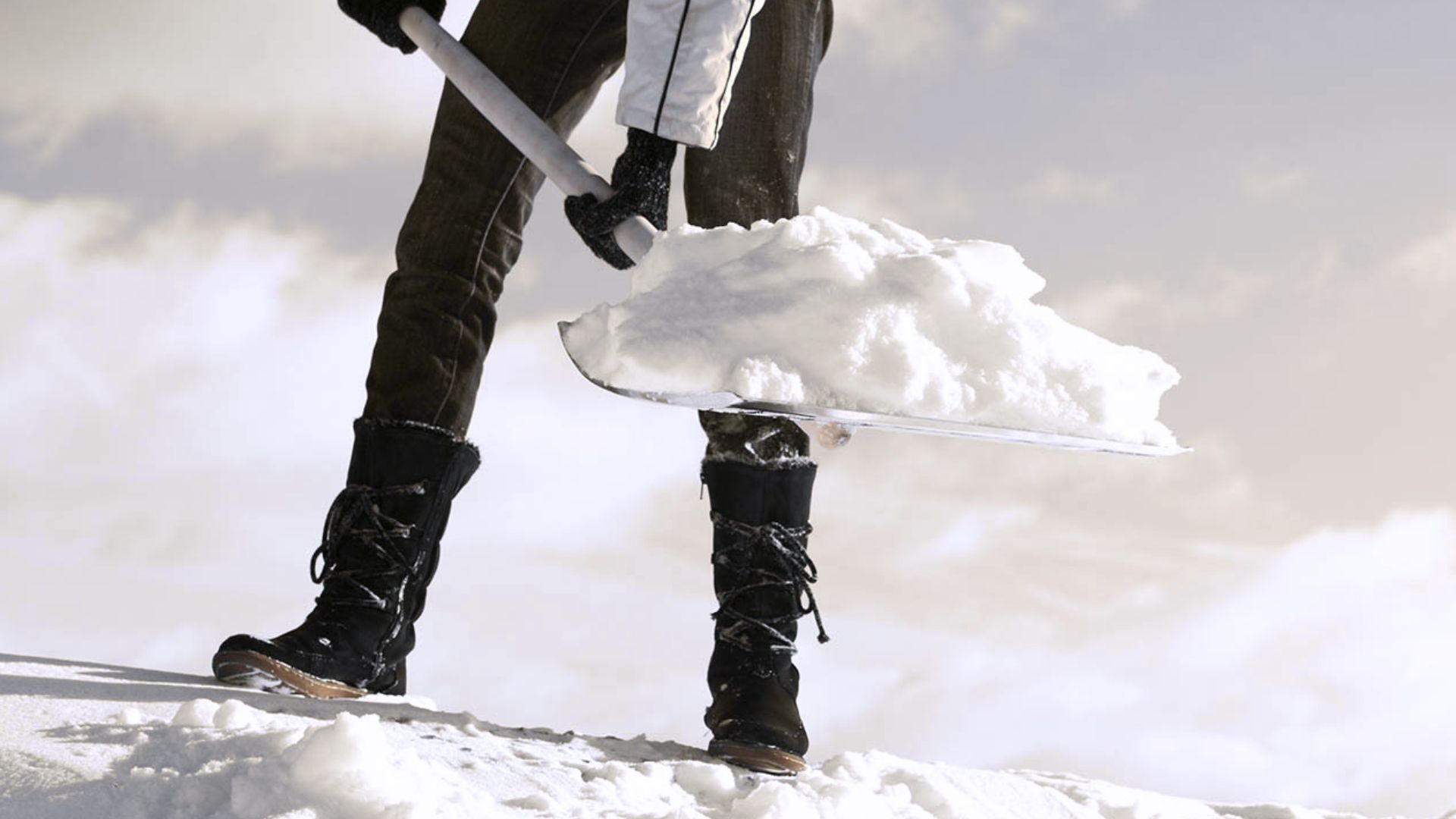
Clearing snow safely isn’t just about effort; it’s also about avoiding actions that can damage your property or put you at risk. Even small missteps during winter cleanup can create bigger problems for your yard, driveway, or garden.
Here are key mistakes to watch out for:
By avoiding these mistakes, you make your snow clearing safer, more effective, and gentler on your yard, ensuring your property stays protected all winter.
Once you’ve cleared snow from your driveway, walkways, and yard, your work isn’t done. The next step is helping your property recover from winter’s impact and preparing it for the season ahead. Proper follow-up after snow removal prevents ice damage, protects plants, and ensures your lawn and garden rebound quickly.
To make your winter cleanup easier and safer, consider the following strategies:
With these steps, your yard bounces back faster, stays safe, and looks its best throughout spring and beyond.
Effective snow management protects your yard, your property, and your well-being throughout winter. By using the right tools, practicing safe techniques, and staying consistent with small, frequent snow removals, you reduce the risk of injury and minimize damage from ice and heavy snow.
For dependable results, rely on Percy’s Lawn Care for professional snow removal services. Their team provides safe, thorough, and timely support, keeping your property accessible and worry-free all season long.
Contact Percy’s Lawn Care today to schedule service and ensure your yard receives expert care throughout winter.
1. How often should I clear snow from my driveway?
It’s best to clear snow whenever it reaches 2–3 inches. Frequent removal prevents the snow from compacting and turning into ice, which is harder to remove and more hazardous to walk or drive on. Regular, smaller clearings also reduce the physical strain compared to waiting for larger accumulations.
2. What shovel works best for heavy snow?
For wet or heavy snow, a scoop-style or ergonomic shovel is ideal because it allows you to lift and toss snow with less effort while reducing strain on your back. Push shovels work better for lighter, powdery snow on flat surfaces, letting you move snow efficiently without lifting. Using the right shovel makes the job quicker, safer, and less exhausting.
3. Can I use regular salt safely?
Traditional rock salt can damage lawns, plants, and concrete surfaces. To prevent harm while still melting ice effectively, it’s better to use pet-safe or calcium-based alternatives. These options protect your yard and driveway while keeping walkways safe during winter.
4. How do I prevent injuries while shoveling?
Preventing injuries starts with warming up before you begin. Maintaining proper posture, bending your knees instead of your back, and lifting smaller amounts of snow can significantly reduce strain. Pushing snow instead of lifting it whenever possible and wearing non-slip boots also helps. Taking short breaks and staying hydrated ensures your body can handle the work safely.
5. Is a snowblower worth it for small yards?
For small yards or short driveways, manual shoveling is usually enough and cost-effective. Snowblowers are most useful for larger areas, long driveways, or frequent heavy snowfalls, where manual clearing becomes time-consuming and physically demanding. They save time, reduce effort, and make winter maintenance safer.
6. How can I safely remove snow from icy patches?
Icy patches require extra caution. Walking carefully and using shoes with good traction can prevent slips. Breaking up thin ice with a shovel or small ice pick, and spreading sand, kitty litter, or pet-safe ice melt, improves grip and safety. Avoid pouring hot water on ice, as it can quickly refreeze into slippery layers.