Homeowners in colder regions know winter can be harsh on lawns. Snow, ice, and frozen soil can leave grass weak, discolored, or patchy. By the time spring arrives, lawns may need significant attention to recover.
Restoring your lawn after snow requires more than simply waiting for it to green up. With proper assessment, the right tools, and step-by-step repair techniques, you can ensure your lawn rebounds fully, thicker, and healthier than before.
This guide shares professional tips and practical methods for lawn recovery after snow, tailored for homeowners who want reliable results without guesswork.
Key Takeaways
Snow and ice do more than pause lawn growth. They can actively harm grass if not addressed promptly. Knowing the risks helps you protect your lawn and prepare for a healthy spring recovery.
Here is what you need to consider
By addressing snow removal promptly, you maintain lawn health, prevent long-term problems, and ensure your yard bounces back beautifully in spring.
Once you understand the risks, the next step is assessing the damage.
It’s essential to understand the type and extent of the damage. A careful assessment ensures you take the right steps to restore your lawn efficiently and prevent long-term problems.
Once you know what’s affected, you can prioritize the areas that need attention. Start by identifying visible damage, understanding the causes, and documenting spots that require treatment. This structured approach lays the foundation for a successful recovery.
With a clear assessment, you can move on to the repair process.
Winter can leave lawns stressed, compacted, or even partially damaged. Snow, ice, and fluctuating temperatures often affect soil structure and weaken grass roots. To restore your lawn to health, a structured approach is essential.
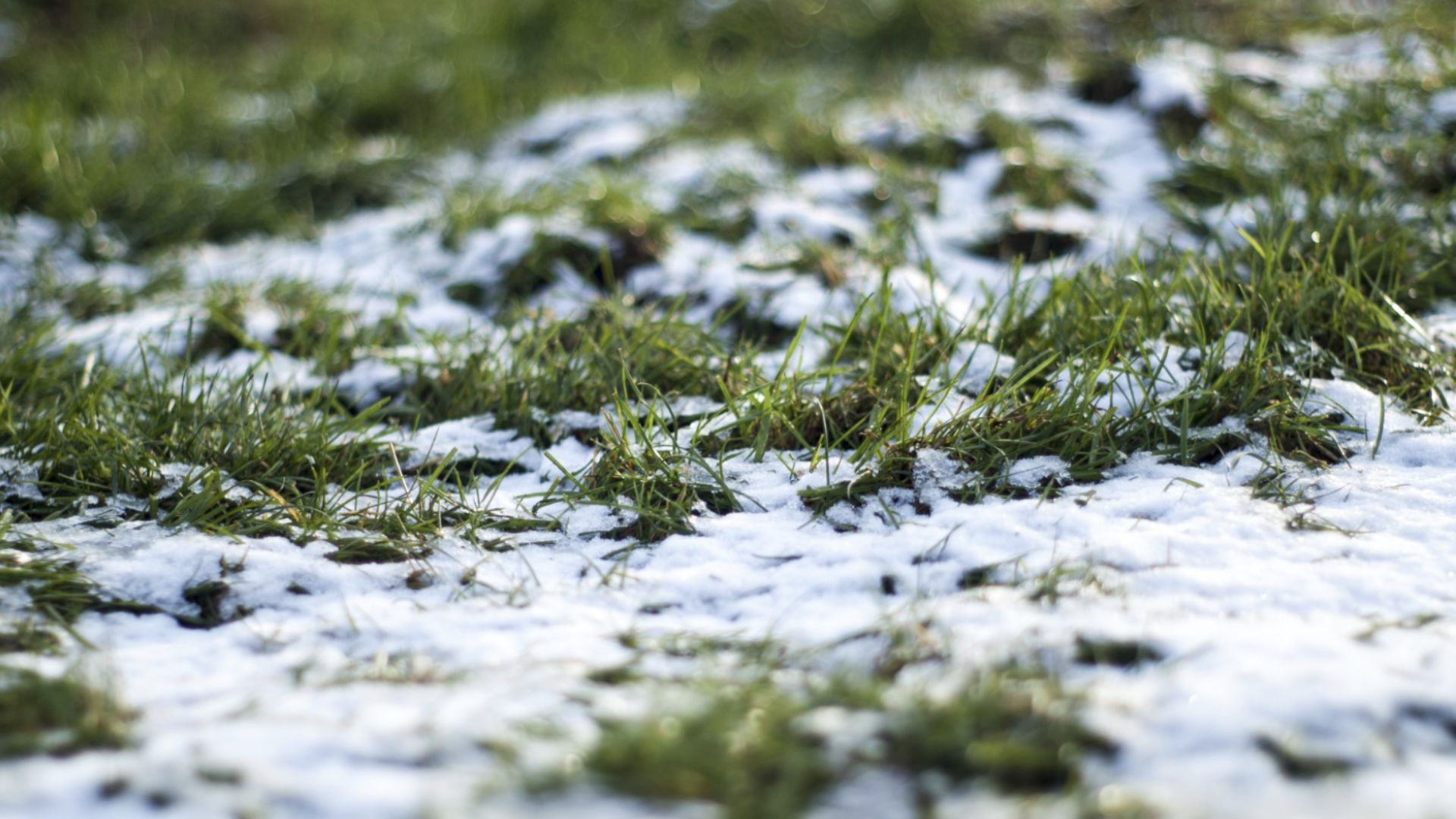
These steps guide you through cleaning, repairing, and nurturing your lawn to ensure it comes back stronger and more resilient after winter.
Before any repair, it’s important to clear your lawn of leftover winter debris. This step ensures that grass and soil can breathe and receive sunlight and water.
Once the debris is removed, your lawn is ready for soil restoration, which is crucial for healthy regrowth.
Winter snow and foot traffic often compress soil, limiting root access to nutrients and water. Loosening the soil helps roots recover and supports long-term lawn health.
With soil loosened, your lawn is ready for replanting, either through seeding or laying new sod.
Reintroducing grass ensures bare or damaged spots fill in and restores uniform coverage. Choosing the right method depends on the severity and size of the damaged area.
After planting, providing nutrients ensures the new grass establishes strong roots and grows resiliently.
Fertilization is critical after snow damage, as it supplies essential nutrients for root recovery and healthy shoot development.
With seeds or sod in place and nutrients applied, continued care and maintenance solidify recovery.
Proper watering helps seeds germinate, sod establish, and roots recover. Timing and quantity are key for lawn recovery after snow.
After watering, monitor for winter-specific damage like salt or mold to prevent setbacks.
Snow mold and salt can harm your lawn if left unaddressed. Taking early action reduces long-term damage.
Once immediate threats are managed, focus on timing your repair efforts for optimal height.
Repairing too early or too late can worsen damage. Knowing when to act is crucial for lawn recovery.
After timing repairs correctly, you can finalize recovery with proper seeding, fertilization, and long-term care.
Seeding and fertilizing after repair ensures your lawn fills in quickly and establishes strong roots.
With repairs completed, focus on long-term strategies to prevent future snow-related damage.
Maintaining a healthy lawn year-round reduces vulnerability to snow damage in the future.
Combining all these steps ensures your lawn fully recovers and remains strong through the seasons.
Recovery doesn’t end after spring repair. Ongoing observation ensures long-term health.
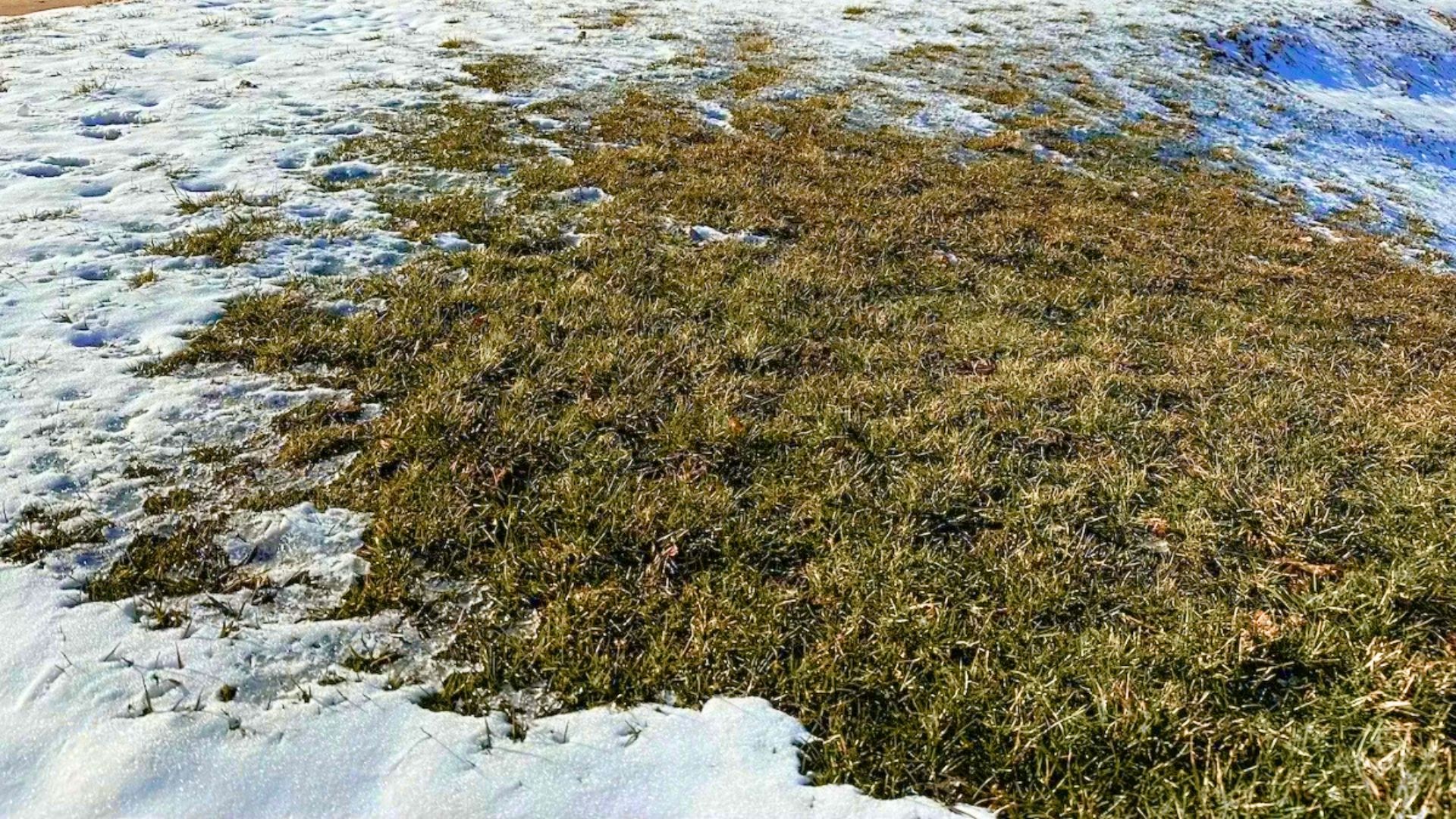
Recovering your lawn after a snowy winter requires careful planning, timely action, and After months of snow and ice, your lawn may be stressed, compacted, or showing visible damage. Understanding the steps for recovery ensures your yard regains strength, density, and color for spring.
Restoring your lawn involves identifying problem areas, repairing damage, and supporting new growth. Follow these key strategies to help your grass recover efficiently.
Snow mold can weaken your grass if ignored. Look for gray or pink patches that appear once snow melts. Gently rake these areas to lift matted grass and improve airflow. In severe cases, apply a suitable fungicide and reseed affected spots to restore healthy turf.
De-icing salts can negatively affect both grass and soil. Signs of salt damage include yellowing or brittle grass.
Rinse affected areas thoroughly with water to reduce salt concentration. Adding gypsum can improve soil structure and accelerate recovery.
Proper timing is key when repairing a snow-damaged lawn. Begin work once the soil has thawed and is slightly dry to avoid further stress. Mild, warmer days provide ideal conditions for faster seed germination and better establishment.
Select grass seeds that match your lawn’s type and local climate. Follow recommended planting depth and spacing for even coverage.
Apply a slow-release fertilizer to encourage steady growth, strengthen roots, and improve resistance to future stress.
Prevent winter damage by maintaining consistent year-round care. Regular mowing, watering, and fertilizing keep your lawn healthy.
Test soil periodically to monitor pH and nutrient levels. Prepare for winter by aerating, winter overseeding, and fertilizing in the fall to create a thick, resilient turf.
Following these steps helps your lawn recover efficiently, stay healthy throughout the season, and be better prepared for future winters.
Restoring a lawn after snow damage requires skill, timing, and the right tools. Percy’s Lawn Care specializes in lawn recovery after snow, helping homeowners bring their yards back to life quickly and effectively.
With years of experience, the team assesses damage, treats affected areas, and uses professional techniques to ensure healthy, thick turf ready for spring growth.
From repairing bare spots to improving soil health and promoting new growth, Percy’s handles every step of post-snow lawn recovery. Homeowners in Buffalo, Amherst, and Cheektowaga can rely on Percy’s expertise to restore lawns efficiently while protecting them from future winter stress.
Contact Percy’s Lawn Care today to schedule your lawn recovery after snow and give your yard the professional attention it needs to succeed.
1. How can I tell if my lawn has snow mold?
Snow mold shows up as gray or pink patches once the snow melts. Gray mold usually affects the grass blades, while pink mold can harm the roots and crowns, slowing lawn recovery after snow damage.
2. Will my lawn recover naturally from snow damage?
Minor damage may recover on its own if the area gets sunlight and proper airflow. For severe patches, reseeding or laying sod is necessary to restore lawn health and ensure full recovery after snow.
3. When is the best time to repair a snow-damaged lawn?
The ideal time to repair your lawn is after the ground thaws and is slightly dry. Working during a warm period improves soil conditions, helping seeds or sod establish quickly.
4. How do I fix salt-damaged grass?
Areas affected by salt or ice-melt products can be restored by flushing with water to remove excess salts. Adding gypsum helps improve soil structure and supports healthy grass regrowth.
5. Should I use seed or sod for repair?
Seed works best for gradual, long-term recovery, thickening thin spots and improving root strength. Sod provides instant coverage for heavily damaged areas and ensures immediate visual improvement.