Snow clearing is an unavoidable part of winter in Buffalo, New York, where the region averages over 95 inches of snow annually. While clearing snow from driveways and sidewalks is crucial, lawn safety often gets overlooked.
Heavy snow accumulation and improper snow-clearing methods can lead to compacted soil, salt damage, and poor lawn health, affecting your turf well beyond winter. This blog is here to help you avoid these issues.
Whether you're dealing with deep snow, heavy salting, or compaction, we'll cover some of the best tips for lawn safety during snow clearing so you don't pay the price come spring. By understanding the right techniques, you can ensure your lawn stays healthy and recovers when the snow finally melts.
When it comes to snow clearing, many homeowners focus on the practical aspects of keeping driveways and walkways clear. However, snow removal can inadvertently cause serious damage to your lawn.
Understanding these common mistakes is key to maintaining your turf's health throughout the winter months and ensuring it thrives once the snow melts.
One of the most overlooked dangers of snow removal is soil compaction. When snow is repeatedly piled on your lawn, especially by shovels, snowploughs, or heavy snowbanks, it compresses the soil beneath, which impedes water and nutrient absorption.
The longer the snow stays compressed, the more difficult it is for grass roots to thrive, leading to poor recovery in spring.
When snow and ice build up, many homeowners turn to road salts or deicing chemicals to make removal easier. However, these products can be incredibly harmful to your lawn. As the snow melts, the chemicals often wash into your grass, leading to salt burn.
Over time, this damages the grass roots, causing discolored patches and weakening your lawn's ability to recover in spring.
Waiting until the snow has built up or attempting to remove it all at once can have significant consequences for your lawn.
Late snow clearing can leave large snowbanks resting on your turf for extended periods, depriving grass of sunlight and moisture. Moreover, aggressive shoveling or the use of metal plows can tear up grass and damage the root system.
Not sure if you're clearing snow safely? Percy’s Lawn Care can help. Our team specializes in snow-clearing techniques that protect your lawn and prevent long-term damage. Reach out for a consultation and get expert advice on maintaining your turf this winter.
Next, we'll dive into safe snow removal strategies to keep your lawn protected while clearing snow efficiently.
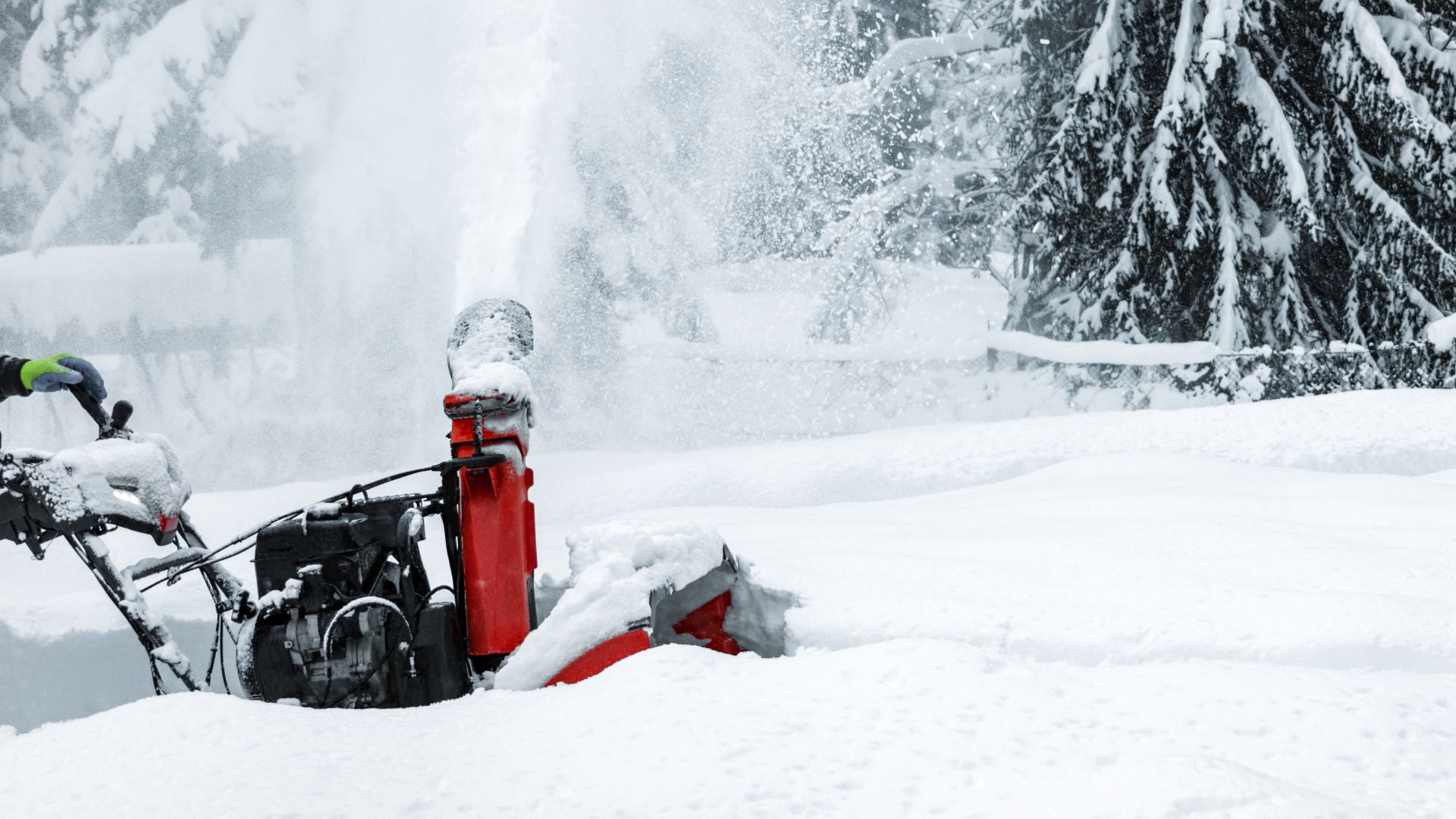
It's essential to know the proper practices to help ensure your lawn stays safe during snow removal. Proper snow clearing not only protects your grass but also sets the stage for healthier turf in the spring.
Here are 5 key tips that will help you clear snow without damaging your lawn.
Instead of waiting for snow to accumulate, clear it regularly in smaller amounts. This prevents compaction and snow buildup that can smother the grass beneath. By clearing snow early, you reduce the risk of heavy layers freezing into ice, which can stress your lawn.
It might be tempting to push snow from your driveway or walkway directly onto your lawn, but this is a major mistake. Piling snow can create compacted areas that limit grass growth and promote fungal diseases. Snow is heavy, and it can crush grass beneath it, preventing sunlight from reaching the turf.
Using heavy plows or shovels over your lawn can cause significant damage. The weight of the equipment and scraping against the turf can tear up the grass, leaving permanent damage.
Most standard deicers contain harmful chemicals that can burn grass and damage soil health. Instead, choose lawn-safe deicers or use sand for traction. These options will keep your lawn healthy while ensuring your walkways remain clear.
Snow tends to melt more slowly in shaded areas, where it can stay longer on your lawn. While it might seem like a good idea to pile extra snow in shaded spots, it can lead to uneven thawing and prolonged wetness, which can harm grass and cause fungal growth.
By applying these tips, you'll help your lawn recover quickly in spring and be better prepared for the next winter.
Also Read: How to Melt Snow on Your Lawn Safely?
Now, let's go over post-snow lawn care techniques to help your turf bounce back and stay healthy throughout the season.
Even after the snow has melted and the winter chill is over, your lawn still needs care to recover from the stress it endured during snow clearing. Whether it's from soil compaction, salt damage, or simply the weight of snow piles, your lawn may show signs of stress that need attention before it can fully thrive.
Here's what to do after the snow to give your turf the best chance at recovery.
Snow, especially in heavy amounts, can flatten grass and keep it matted, preventing air circulation and sunlight from reaching it. If you notice areas where the grass seems tangled or flattened, use a rake to gently lift and separate the grass. Be careful not to rake too aggressively, as this can damage the grass blades.
When snow is left on your lawn for extended periods, it compacts the soil, which restricts water flow and root growth. Aerating your lawn can break up compacted areas and improve water absorption. This is especially important in areas where snow piles or snow removal equipment were used heavily.
If you've used salt or deicers near your lawn or if snow was piled on areas where salt was applied to driveways or walkways, salt damage could be present. Salt can dehydrate grass and inhibit growth. Flushing the soil with water can help reduce salt concentration in the root zone.
After the snow melts and the grass dries out, inspect your lawn for any bare spots. Snow mold, compaction, or salt damage can leave patches that need reseeding. Early reseeding, ideally in late spring, can help fill these spots in time for summer.
While it may be tempting to fertilize your lawn right after snow melt, doing so too early can encourage weak growth. The grass needs to show signs of active growth, and the soil temperature should be consistently above 50°F before applying fertilizers.
By following these post-snow maintenance tips, you'll help your lawn recover more efficiently and be in a stronger position for the warmer months ahead. This proactive care prevents future issues and sets your turf up for success.
If you're unsure where to place snow or need help managing deep snow, Percy's Lawn Care can guide you with lawn-safe snow-clearing strategies. Reach out for a free consultation to ensure your lawn stays protected all season.
Next, let's dive into deep snow cleanup lawn strategies and discuss how to handle heavy snowfall while keeping your lawn intact.
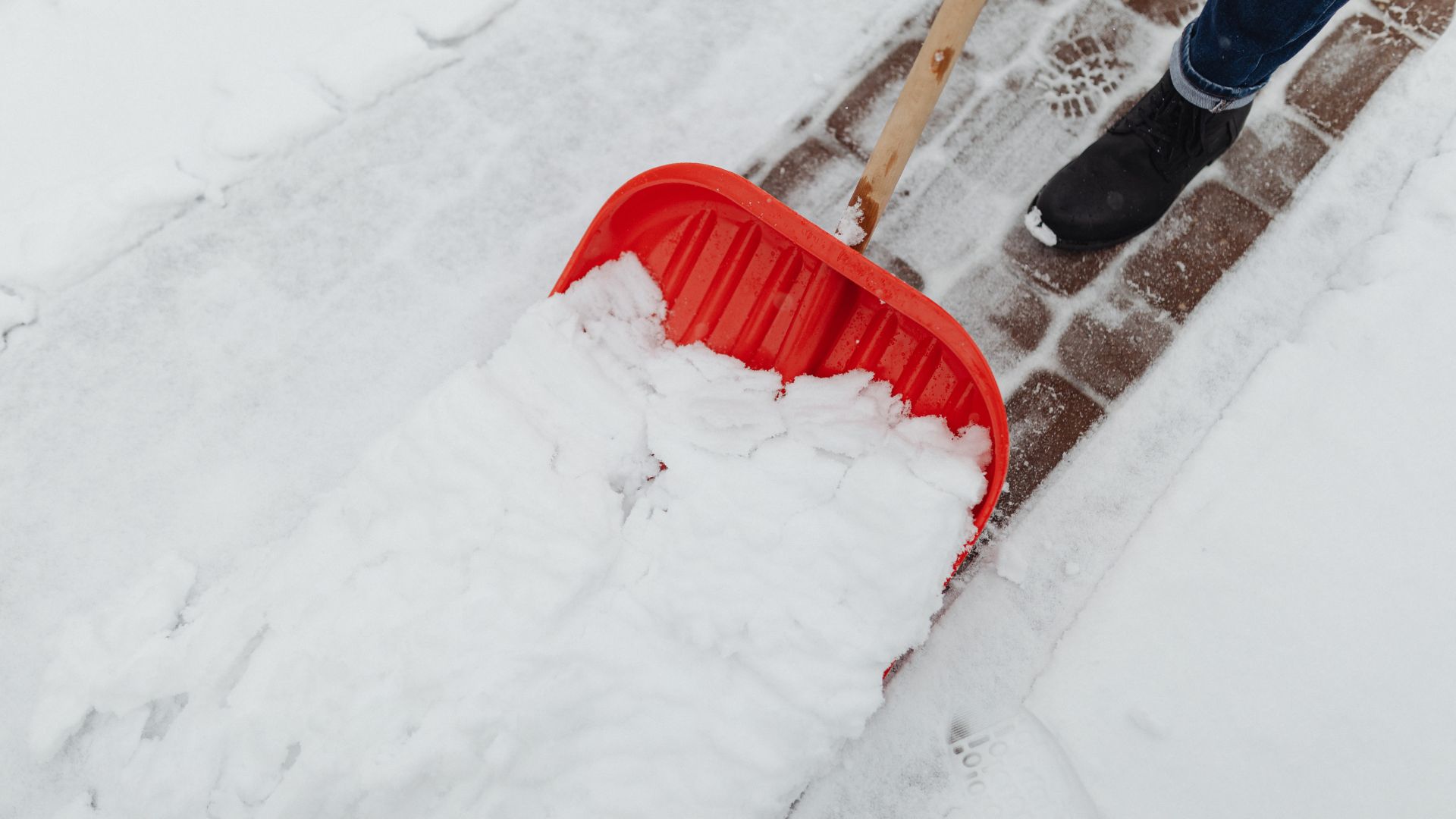
When the snow piles up deeply in Buffalo, clearing it from your driveway and walkways can become a challenging task. While it's important to remove the snow quickly, deep snow clearing can easily damage the lawn if not done carefully.
Here's how to handle those heavy snowfalls while lawn maintenance:
1. Use a Snow Blower with Adjustable Height
Snow blowers are powerful tools for clearing large amounts of snow, but when used improperly, they can damage your lawn. Set your snow blower to the highest setting to avoid scraping the ground or plowing over the turf. This ensures that the snow is cleared without disturbing the grass or compacting the soil underneath.
2. Shovel in Layers, Not All at Once
When dealing with deep snow, shoveling too aggressively can lead to damage, especially if you're scraping the turf beneath. Instead, shovel the snow in smaller, more manageable layers. This will reduce the force applied to the lawn, preventing tearing up the grass and soil.
3. Be Mindful of Where You Place the Snow
When clearing heavy snow, it can be tempting to pile it anywhere that’s convenient. However, placing snow directly on your lawn can cause compaction and damage as it melts. Ideally, direct snow to hard, paved surfaces like driveways or roads, where it won't affect your turf.
4. Use Plastic or Rubber Shovels Instead of Metal
Heavy metal shovels can damage both the turf and the equipment itself. Metal shovels can scrape or damage grass blades, leading to unnecessary stress and cutting. Instead, use plastic or rubber-edged shovels that are gentler on the turf while still getting the job done.
5. Don’t Wait for the Snow to Harden
It can be tempting to wait until the snow has compacted before clearing it, but this makes the task harder and can lead to more damage. Clear snow as soon as it falls to prevent it from turning into an icy, hardened layer that can harm your grass.
By following these safe snow-clearing strategies, you'll reduce the risk of compacting the soil, damaging the turf, or hindering grass recovery.
Taking the time to clear deep snow carefully ensures your lawn can continue to thrive even after Buffalo's snowiest winter.
Also Read: Expert Lawn Care Tips for a Healthy, Green Yard
Snow clearing isn't just about removing snow. It's about protecting your lawn, your driveway, and your property's long-term health. At Percy's Lawn Care, we treat winter services with the same care and consistency as our year-round lawn care.
Since 1999, our family-owned company has helped homeowners across Buffalo, Amherst, and Cheektowaga tackle the challenges of harsh winters without sacrificing their lawns' health.
Support for homeowners goes beyond just snow removal:
Percy's Lawn Care helps you create a year-round strategy for snow clearing and lawn protection. For personalized snow removal plans or consultations on lawn safety, contact Percy's Lawn Care at (716) 245-5296 or hello@percyslawncare.com.
Proper snow removal is about protecting your lawn and property for the long haul. By following smart snow-clearing practices, you set the stage for a healthier lawn come spring. Early attention to these details prevents long-term damage, allowing your grass to recover faster and thrive.
Percy's Lawn Care has been supporting homeowners across Buffalo, Amherst, and Cheektowaga since 1999 with safe snow removal and year-round property care. With a consistent plan, you can ensure both your lawn and property are ready for the next season.
Reach out to Percy's Lawn Care to help protect your turf this winter and ensure it bounces back stronger when the snow melts.
Q. How can I prevent my lawn from being damaged during snow removal?
A. To prevent lawn damage, avoid piling snow on grass, use plastic or rubber-edged shovels, and clear snow early to prevent compaction. Ensure snow is directed away from the lawn to non-grassy areas, such as driveways.
Q. What's the best way to clear heavy snow without damaging my lawn?
A. Use a snow blower set at a high setting to avoid scraping the ground. Shovel in layers rather than trying to clear everything at once, and always clear snow from non-grassy surfaces.
Q. Does salt damage my lawn during snow clearing?
A. Yes, salt and deicers can burn grass roots and cause long-term damage. Use lawn-safe deicers or sand as an alternative to prevent harmful runoff from reaching your turf.
Q. When should I start preparing my lawn after snow melt?
A. Start by lightly raking matted grass and inspecting for salt damage. Wait until the ground is dry and firm before aerating or reseeding. This ensures your lawn is ready for further maintenance.
Q. How often should I clear snow off my lawn during the winter?
A. Clear snow every few days, especially after light snowfalls, to prevent snow buildup. Regular clearing helps prevent compaction and keeps your turf safe from excessive moisture or ice.