Best Lawn Care Guide by Month for New York Homeowners
January 20, 2026
Caring for a lawn in New York can feel unpredictable. Long winters, wet springs, humid summers, and fast-changing fall weather all affect how your grass grows and recovers. Without the right timing, even well-intended lawn care can miss the mark, leading to thin patches, stubborn weeds, or stress that shows up later in the season.
That's where a monthly lawn care schedule and tips can make all the difference. By breaking lawn care down month by month, you can respond to what your yard actually needs instead of guessing. This approach helps you work with the seasons, not against them, using simple, timely steps that build healthier grass over time.
In this guide, you'll find a clear lawn care guide by month designed for New York conditions. It's practical enough for DIY homeowners and grounded in decades of local experience, so you always know what to focus on next and when extra support may be worth considering.
Key Takeaways:
A month-by-month lawn care schedule helps you act at the right time and avoid seasonal mistakes.
Winter care focuses on protection, while spring sets the foundation for growth and weed control.
Summer lawn care is about reducing stress through proper mowing height and watering habits.
Fall is the best season for feeding, aeration, and seeding to prepare for the next year.
Local guidance can make lawn care more manageable and lead to more consistent results.
Your Monthly Lawn Care Schedule at a Glance
A healthy lawn is easier to maintain when you know what to focus on each month. New York's seasons place very different demands on your grass, from winter dormancy to active spring growth and late-summer recovery. This overview gives you a clear rhythm for the year, helping you plan ahead and avoid common timing mistakes.
Use the table below as a quick-reference lawn care calendar. It highlights what matters most each month, so you can stay consistent, adjust as conditions change, and give your lawn steady care without guesswork.
Here's a simple month-by-month view of what your lawn needs throughout the year:
Monthly Lawn Care Guide (NY)
Month
Lawn Phase
Lawn Care Tasks & NY Rules
January
Dormancy
Stay off frozen grass to protect crowns. Avoid foot traffic and equipment use.
Service mowers and sharpen blades indoors. Fertilizer use is illegal statewide.
February
Dormancy
Monitor lawn edges for salt damage near sidewalks and driveways.
Plan spring lawn products carefully. Fertilizer application and sales
with phosphorus for lawns are restricted.
March
Early Transition
Light cleanup once soil firms up. Rake debris only when the ground is dry.
Fertilizer remains illegal until April 1. Begin reviewing local county rules
for added restrictions.
April
Spring Start
Fertilizer becomes legal on April 1. Use phosphorus-free fertilizer unless a
soil test shows a deficiency. Apply crabgrass preventer as soil temperatures
approach the mid-50s. Observe 20-foot buffer zones near water unless using
protected equipment.
May
Active Growth
Begin regular mowing at about 3 inches. Spot-treat broadleaf weeds.
Apply grub prevention late in the month if needed. Follow buffer zone rules
near ponds, streams, and storm drains.
June
Late Spring
Water deeply during dry periods, about 1 inch per week. Raise mowing height
to reduce stress. Fertilizer is allowed but should remain light and
phosphorus-free.
July
Peak Summer
Mow at the highest setting, near 4 inches. Avoid fertilizing during
extended heat. Focus on watering and traffic control to limit stress.
August
Recovery Window
Late August is the best time for aeration and overseeding in New York.
Avoid heavy fertilizer early in the month. Keep new seed evenly moist.
September
Peak Repair
Most crucial feeding of the year. Fertilizer is allowed and effective;
still phosphorus-free unless soil tests show a need. Continue overseeding
and soil repair.
October
Late Fall
Continue leaf management to prevent smothering. Light feeding may continue
where needed. Watch for local restrictions, as some counties limit
fertilizer use earlier than statewide rules.
November
Winter Prep
Apply winterizer fertilizer early in the month only. Final mow around
2.5 inches. Fertilizer use must stop by December 1 statewide.
December
Dormancy
Fertilizer use is illegal statewide after December 1, including winterizer
products. Winterize equipment, drain fuel, and store hoses. Avoid walking
on frozen turf.
With the lawn care guide by month in mind, your focus shifts to winter habits that protect dormant grass and prevent damage before spring returns.
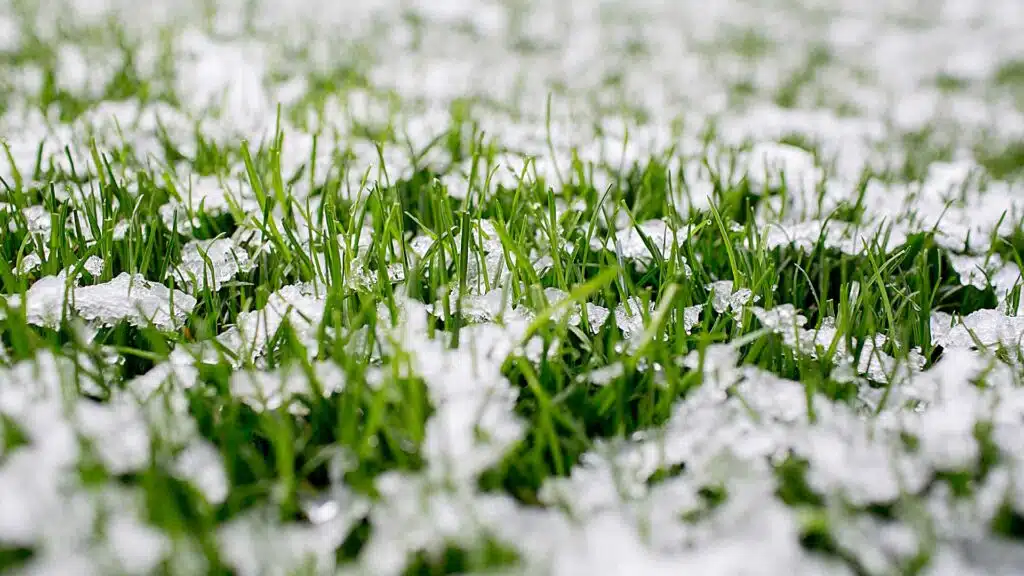
Winter may look quiet on the surface, but what you do during these colder months plays a big role in how your lawn rebounds in spring. Snow, ice, and foot traffic can stress dormant grass more than many homeowners realize. A few mindful habits during winter help protect the crown of the grass and reduce repair work once the weather warms.
Here are the key winter lawn care priorities to keep in mind:
Limit foot traffic: Walking on frozen or snow-covered grass can crush grass crowns and compact soil. Stick to walkways whenever possible, especially during freeze-thaw cycles.
Watch for salt damage: De-icing products often wash into lawn edges. Check along sidewalks and driveways for discoloration and plan to flush those areas with water once temperatures allow.
Manage snow piles carefully: Repeatedly piling snow in the same spots can smother grass and delay spring recovery. Spread snow loads when space allows.
Handle leaves before snowfall: Late-falling leaves should be removed before heavy snow arrives. Trapped leaves can hold moisture against the turf and invite mold issues.
Prepare equipment during downtime: Winter is a good time to clean, sharpen, and service lawn tools. Well-maintained equipment makes early spring work smoother and helps avoid rushed repairs.
As temperatures rise and soil firms up, spring care focuses on recovery steps that guide grass back into steady growth.
Spring is when your lawn begins to wake up from months of cold and snow. The ground firms up, grass starts growing again, and early decisions can influence how thick and even your lawn looks by summer. This season is about cleaning up winter damage and giving grass the proper support at the right time.
Here are the key spring lawn care steps to focus on:
Start with a gentle cleanup: Remove fallen branches, leftover leaves, and winter debris once the soil is dry enough to walk on. Clearing the surface allows sunlight, water, and air to reach new growth.
Mow with care: Begin mowing when the grass is actively growing. Set the mower around 3 inches and avoid cutting too short, which can weaken roots and invite weeds.
Apply spring fertilizer at the right time: In New York, fertilizer can be applied starting April 1. A balanced, slow-release product supports steady growth without forcing the grass too quickly.
Prevent weeds early: Apply a crabgrass preventer when soil temperatures approach the mid-50s. This step helps stop weeds before they appear, saving time later.
Address thin or damaged areas: Flush spots affected by winter salt, and keep an eye on areas with weak growth. Light seeding may help, but major repairs are better planned for late summer.
Moving from spring into summer means shifting away from feeding and toward habits that guard against heat damage.
Summer brings longer days, higher temperatures, and periods of limited rainfall that can wear down even well-kept lawns. During this season, the goal shifts from pushing growth to protecting what you've already built. Minor adjustments in mowing and watering habits help grass stay steady through heat and dry spells.
Here are the key summer lawn care practices to follow:
Raise the mowing height: Set your mower to its highest setting, around 4 inches. Taller grass shades the soil, helps hold moisture, and reduces weed pressure.
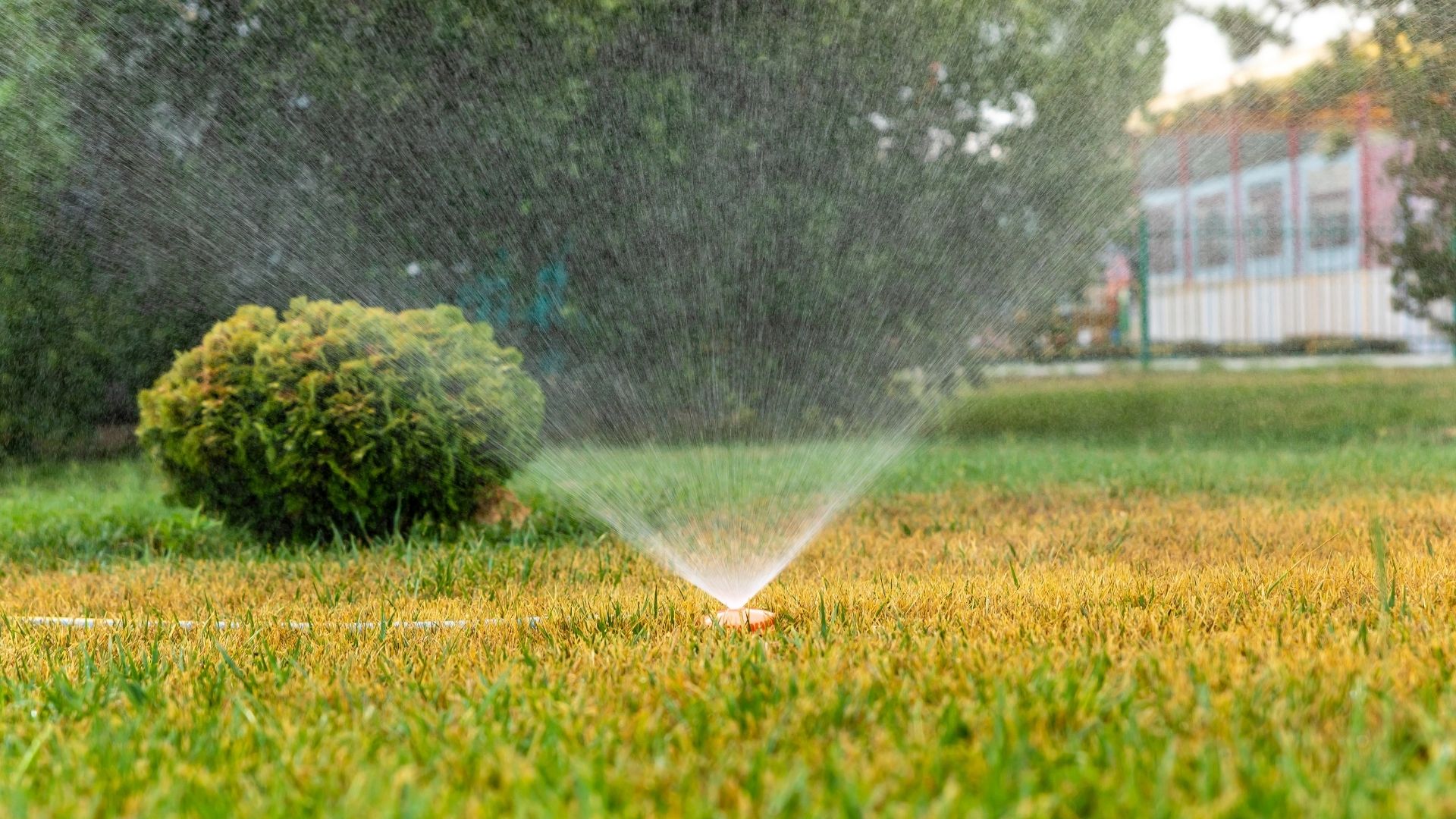
Water deeply, not often: Aim for about 1 inch of water per week, including rainfall. Fewer, deeper waterings encourage roots to grow down instead of staying near the surface.
Mow with care during heat: Avoid mowing during the hottest part of the day. Early morning or early evening cuts place less strain on the grass.
Skip heavy feeding: Fertilizing during periods of high heat can stress the lawn and cause discoloration. Save major feeding for late summer and early fall.
Watch for early signs of trouble: Look for dry patches, compacted areas, or pest activity. Addressing issues early helps prevent larger repairs later in the season.
As summer pressure eases, fall care focuses on strengthening roots and correcting issues before winter limits options.
Fall offers the best conditions for strengthening your lawn after summer heat. Cooler temperatures, regular rainfall, and warm soil create ideal conditions for repair and root growth. What you do during these months plays a significant role in how full and even your lawn looks when spring returns.
Here are the key fall lawn care tasks to focus on:
Feed the lawn heavily: Early fall fertilization supports root development and helps grass store nutrients for winter. This is the most impactful feeding of the year.
Aerate compacted soil: Core aeration opens the soil and allows air, water, and nutrients to reach the roots. This step is especially helpful in high-traffic areas.
Overseed thin areas: Late summer through early fall is the best window for seeding in New York. New grass establishes well and fills in bare spots before winter.
Stay on top of leaves: Mulch or remove fallen leaves regularly. Leaving them in place can block light and trap moisture against the grass.
Adjust the final mowing height: Gradually lower the mowing height toward the end of the season. Finish the year around 2.5 inches to reduce matting under snow.
Even with good intentions, seasonal missteps can undo progress, so it helps to know where timing often goes wrong.
Many lawn problems don't come from lack of effort; they come from doing the right task at the wrong time. Seasonal habits that seem helpful can slowly weaken grass when timing or conditions are off. Knowing what to avoid is just as beneficial as knowing what to do.
Here are common seasonal mistakes homeowners often make:
Spring: Starting too fast: Fertilizing or mowing before the soil dries can compact roots and limit early growth. Grass needs time to wake up before heavy work begins.
Summer: Cutting too short: Scalping the lawn in hot weather exposes the soil to the sun and dries it out quickly. Taller grass offers natural shade and moisture protection.
Fall: Skipping repairs: Putting off aeration or overseeding wastes the best recovery window of the year. Missed fall repairs often turn into larger issues in spring.
Winter: Walking on frozen turf: Repeated foot traffic on frozen grass damages crowns and leads to dead patches once the snow melts.
Year-round: Treating every lawn the same: Soil conditions, sun exposure, and usage vary from yard to yard. A one-size approach rarely produces steady results.
When timing or conditions feel uncertain, working with a local professional helps remove guesswork and improve consistency.
Keeping a lawn healthy year after year takes more than good timing. It takes local knowledge, consistency, and care that adapts to each property. Homeowners across Western New York turn to Percy's Lawn Care because they want clear guidance, reliable results, and support that fits their yard, not a generic plan.
Here are the reasons homeowners choose Percy's Lawn Care:
Local experience that shows: Percy's has been caring for lawns in Buffalo, Amherst, and Cheektowaga since 1999. That long history means a deep understanding of local soil, weather patterns, and seasonal challenges.
Personal attention to every lawn: No two yards are treated the same. Each lawn is evaluated based on its condition, sun exposure, and usage, so care plans match real needs instead of assumptions.
Seasonal timing done right: From spring feedings to fall recovery work, tasks are scheduled to match New York regulations and growing conditions. This helps avoid wasted treatments and uneven results.
Sustainable care practices: Treatments are chosen with long-term lawn health in mind. The focus stays on steady improvement while being mindful of the surrounding environment.
Support beyond one visit: Homeowners receive guidance throughout the season, not just a single service. Questions are answered, concerns are addressed, and adjustments are made as conditions change.
If you'd like help putting this monthly lawn care schedule into action, contact Percy's Lawn Care to schedule a free on-site consultation. A local expert can assess your yard, answer your questions, and build a plan that keeps your lawn healthy through every season.
Conclusion
A healthy lawn doesn't come from guesswork or last-minute fixes. It's built through steady care, good timing, and knowing what your yard needs during each part of the year. By following a lawn care guide by month, you give your grass the best chance to stay full, even, and resilient through New York's changing seasons.
Some homeowners enjoy handling every task themselves, while others prefer support with timing, treatments, or seasonal work. Both approaches can work well when decisions are based on local conditions and the current state of the lawn.
If you want guidance customized to your yard and local conditions, reach out to Percy's Lawn Care for a free on-site consultation. Call (716) 245-5296 or email hello@percyslawncare.com to get clear next steps for your property and keep your lawn on track all year long.
FAQs
1. What is a good lawn care schedule?
A good lawn care schedule follows the natural growth cycle of grass. It focuses on protection during winter, steady growth support in spring, stress reduction in summer, and repair work in fall. Timing tasks by month helps avoid overworking the lawn and keeps care consistent throughout the year.
2. What is the correct order of lawn care?
The general order starts with cleanup and mowing, followed by soil-focused work like aeration or seeding when needed. Fertilizer and weed control come after the lawn is actively growing. Finishing steps include regular mowing and watering to maintain healthy growth.
3. What is the 1/3 rule?
The 1/3 rule means never cutting more than one-third of the grass blade at a single mowing. Following this rule helps prevent stress, supports stronger roots, and keeps the lawn from thinning during active growth periods.
4. What month should I feed my lawn?
While spring feedings support early growth, early fall is the most impactful time to feed a lawn. Fertilizing during this period helps roots store nutrients that support healthier growth when spring returns.
5. Is October too late to fertilize?
October is not too late, as long as fertilizer is applied early in the month and before the ground freezes. This feeding supports root health and prepares grass for winter dormancy without pushing unwanted top growth.