After a long New York winter, it’s natural to want to fix bare spots and thinning grass as soon as the snow disappears. Many homeowners start asking when to plant grass seed in NY spring, hoping warmer days mean it’s time to get started. The reality is that spring seeding can work, but only if the timing and conditions are right.
Spring weather in New York is unpredictable. Cold soil, late frosts, and early weed growth can all affect how well grass seed takes root. Knowing when to seed and when to wait can make the difference between a lawn that fills in evenly and one that struggles all season.
In this guide, you’ll learn the best spring seeding window for New York, when spring planting makes sense, and how to improve your chances of success if you decide to seed in spring.
The best time to plant grass seed in New York during spring usually falls between late April and early June, depending on how quickly the ground warms up. During this period, soil temperatures are more stable, which gives grass seed a better chance to germinate and establish roots. Planting too early often leads to uneven growth or seed loss.
For most New York lawns made up of cool-season grasses, waiting until conditions improve leads to stronger results and fewer setbacks.
Soil temperature is the clearest signal for spring seeding success. Grass seed typically needs soil temperatures between 50 and 65 degrees Fahrenheit to germinate properly. Early spring air may feel mild, but soil often remains cold and wet.
Seeding before the soil warms can lead to:
Checking soil conditions before planting helps avoid wasted time and seed.
Spring arrives at different speeds across the state. Western New York often sees later soil warming than downstate areas. Shaded lawns or properties with poor drainage may also need extra time before seeding.
Rather than relying on dates, focus on soil warmth, drying conditions, and a steady weather forecast. This approach leads to better spring seeding results across New York.
Knowing when to plant grass seed in NY spring leads to a bigger question about whether spring planting fits your lawn’s condition and expectations.
Also Read: Simple Guide on How to Plant and Overseed Grass Seed on Lawn
Yes, spring can be a good time to plant grass seed in New York, but it is not always the easiest option. Spring seeding works best when it is done at the right time, with proper preparation, and realistic expectations.
Homeowners often choose spring because lawns show winter damage, but success depends on soil conditions, weather patterns, and follow-up care.
Here are the main benefits of planting grass seed in spring, when conditions are right:
To put spring planting into context, it helps to compare how spring and fall seeding perform under New York growing conditions.
Also Read: Timing for Spring Lawn Fertilization: When to Start
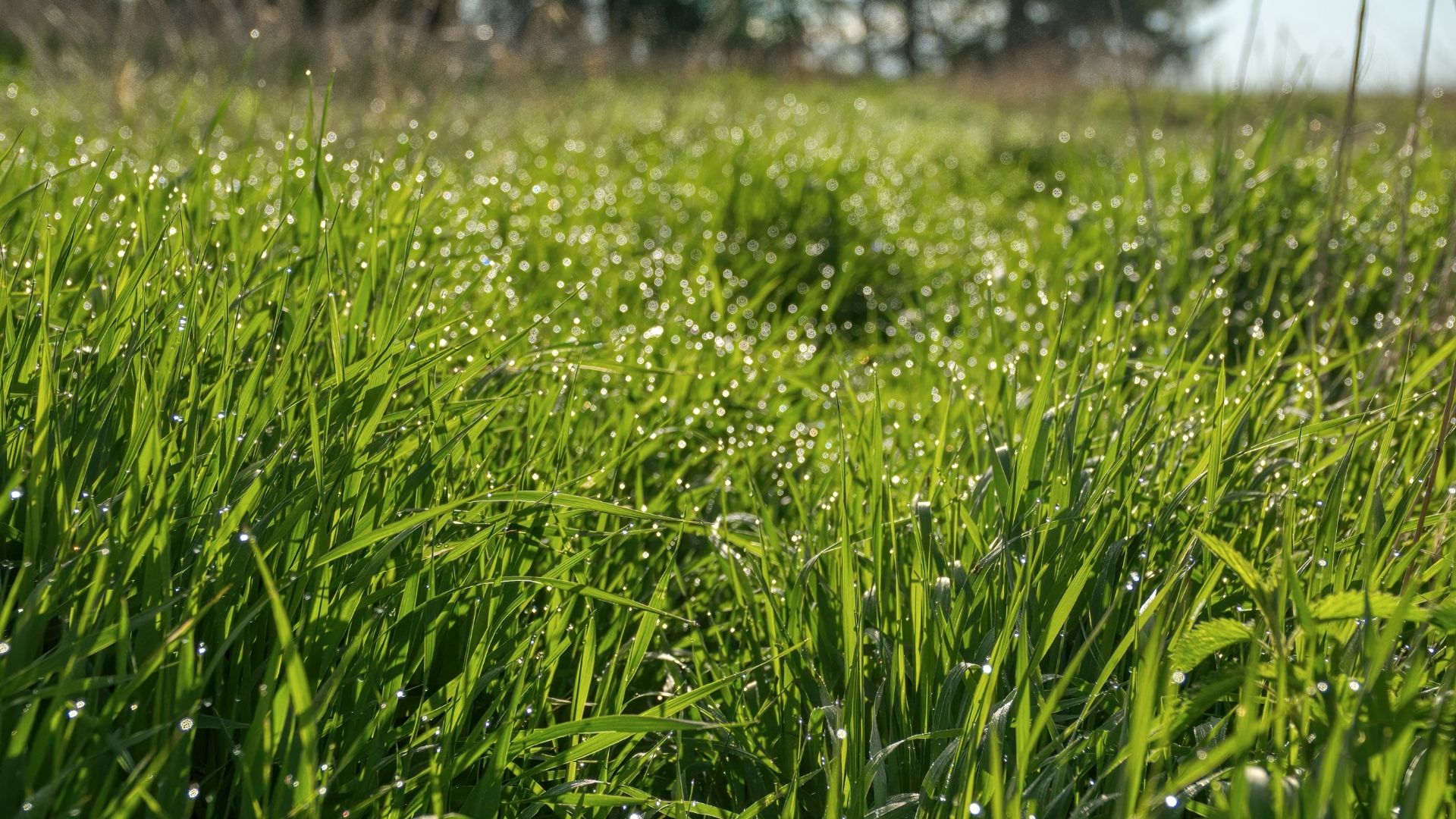
For most New York lawns, fall is the more reliable time to seed, while spring works best as a backup option when lawn repairs cannot wait. Spring seeding can improve thin or damaged areas, but fall provides steadier soil conditions and fewer obstacles to early growth.
Here is a clear comparison of spring versus fall lawn seeding in New York, including common grass types:
Rather than starting from scratch, many homeowners find overseeding works better in spring for repairing thin areas.
Also Read: Fall Grass Fertilizer: When and How to Apply It for a Healthier Lawn
Spring is a good time to overseed a lawn in New York when the goal is to repair winter damage and improve density rather than rebuild the entire lawn. Overseeding works best from late April through early June, once soil temperatures rise and the ground dries enough for seed-to-soil contact.
Overseeding helps lawns recover after winter by thickening weak areas, reducing open space where weeds can grow, and improving overall appearance. Because existing grass is already established, overseeding often performs better than full seeding during spring.
Here is a comparison of seeding versus overseeding in spring:
Once you choose overseeding or seeding, a few practical steps can greatly improve spring grass establishment in New York.
If you prefer expert input before overseeding, Percy’s Lawn Care can walk your property and share personalized recommendations at no cost.

Spring seeding can succeed in New York when the focus is on preparation, timing, and follow-up care. Cooler soil, frequent rain, and early weeds all affect results, but small adjustments help new grass establish and hold through early summer.
Here are proven ways to improve spring seeding results:
When timing and preparation feel unclear, working with a local lawn care team can simplify spring seeding planning.
Also Read: Best Watering Schedule for New Grass Seed (Week-by-Week Guide)
Spring lawn seeding in New York takes more than good timing. It takes experience, consistency, and a team that treats your property with care. At Percy’s Lawn Care, spring seeding is handled as part of a larger commitment to long-term lawn health, not a one-time task.
As a family-owned business serving Western New York since 1999, Percy’s has built trust by showing up, doing the work right, and standing behind every recommendation.
Here is how Percy’s Lawn Care supports spring seeding and recovery:
If you want spring seeding done with care, clarity, and long-term results in mind, Percy’s Lawn Care offers free on-site consultations to build a plan that fits your lawn and your schedule. Contact us at (716) 245-5296 or hello@percyslawncare.com.
Spring can be the right time to plant grass seed in New York when timing, preparation, and expectations are aligned, especially if you understand when to plant grass seed in NY spring for the best results. Waiting for soil to warm, choosing the right grass types, and focusing on overseeding instead of full lawn seeding all improve results.
If you are unsure about timing or soil conditions, local guidance makes a difference. Percy’s Lawn Care works with homeowners across Buffalo, Amherst, and Cheektowaga to evaluate lawns and plan spring seeding projects that fit each property.
To get started, schedule a free on-site consultation with Percy’s Lawn Care and take the next step toward a healthier lawn this spring.
1. Can I apply lime when seeding my lawn in spring?
Yes, lime can be applied in the spring if a soil test shows your lawn needs it. Lime works slowly, so applying it at seeding time supports soil balance over the long term rather than immediate growth.
2. Should I bag grass clippings before overseeding in spring?
Bagging or lightly raking clippings before overseeding helps the seed reach the soil. Leaving heavy clippings in place can block seed contact and reduce germination.
3. How long should I wait before using lawn equipment on newly seeded areas?
Avoid using spreaders, rollers, or heavy equipment on seeded areas until new grass is established and has been mowed at least once. This helps prevent soil disturbance and uneven growth.
4. Can birds or wildlife affect spring grass seed?
Yes, birds and small animals may disturb the seed, especially in open areas. Lightly covering the seed with soil or straw can reduce loss without blocking sunlight.
5. Will spring seeding affect my summer lawn care schedule?
Yes, spring-seeded lawns often need adjusted mowing and watering during early summer. Raising mower height and monitoring moisture helps protect young grass as temperatures rise.