Buffalo and the surrounding Western New York region are known for long, snowy winters, with communities often seeing over 95 inches of snow annually on average. This winter weather brings frequent snowfall and icy conditions, making safe outdoor access a year‑round concern for homeowners and families.
At the same time, traditional ice‑melting products used on driveways, walkways, and around lawn edges can unintentionally harm your grass and garden. Common de‑icing salts can increase soil salinity, dehydrating grass roots and harming turfgrass health. When the snow melts in spring, damage from de‑icing salt exposure often becomes visible as brown, patchy grass where salts have accumulated.
This blog is here to help. You'll find practical strategies for de‑icing lawns safely, specifically designed for homeowners in snowy climates, to keep sidewalks slip‑free without sacrificing the health of your lawn and garden.
When temperatures drop and winter weather hits, traditional ice melts like rock salt (sodium chloride) and calcium chloride are often the go‑to choices for de‑icing driveways and walkways.
While effective at melting ice quickly, these products come with significant downsides for your lawn and garden.
The primary concern with using sodium chloride or calcium chloride on lawns is that both increase soil salinity, which leads to dehydration of grass roots and long‑term damage to turfgrass.
Rock salt, when overused, can cause significant deterioration in soil and plant health as its sodium content builds up over time. This can result in visible signs of damage, such as discolored, dried-out, or patchy grass.
When the snow begins to melt in early spring, the salts from de‑icing agents can leach into the soil and potentially reach local water sources, contributing to pollution. This not only harms your lawn but also the surrounding environment.
Salt runoff can contaminate stormwater and affect local ecosystems, especially in urban environments like Buffalo, where impervious surfaces (roads and driveways) are common/
Even after the snow has melted, the lingering salt in the soil can hinder your lawn's recovery in the spring. Exposure to high salt concentrations in winter can lead to salt toxicity, making it harder for grass to re-establish healthy growth.
This delay in recovery can negatively affect the aesthetic appeal of your lawn and its overall health. In Western New York, where winters last for months, this effect can be especially noticeable in late spring, when homeowners hope to see vibrant, green lawns.
In short, while traditional de‑icing agents may seem like an easy fix to icy walkways, they often come at the cost of your lawn's health and the surrounding environment.
Suggested Read: Lawn Care and Maintenance Tips for Beginners
Let's explore practical, safer alternatives that will help you protect your grass while keeping your walkways clear.
Here are practical strategies you can use to keep ice manageable on walkways and driveways while protecting your lawn and garden from chemical damage and stress.
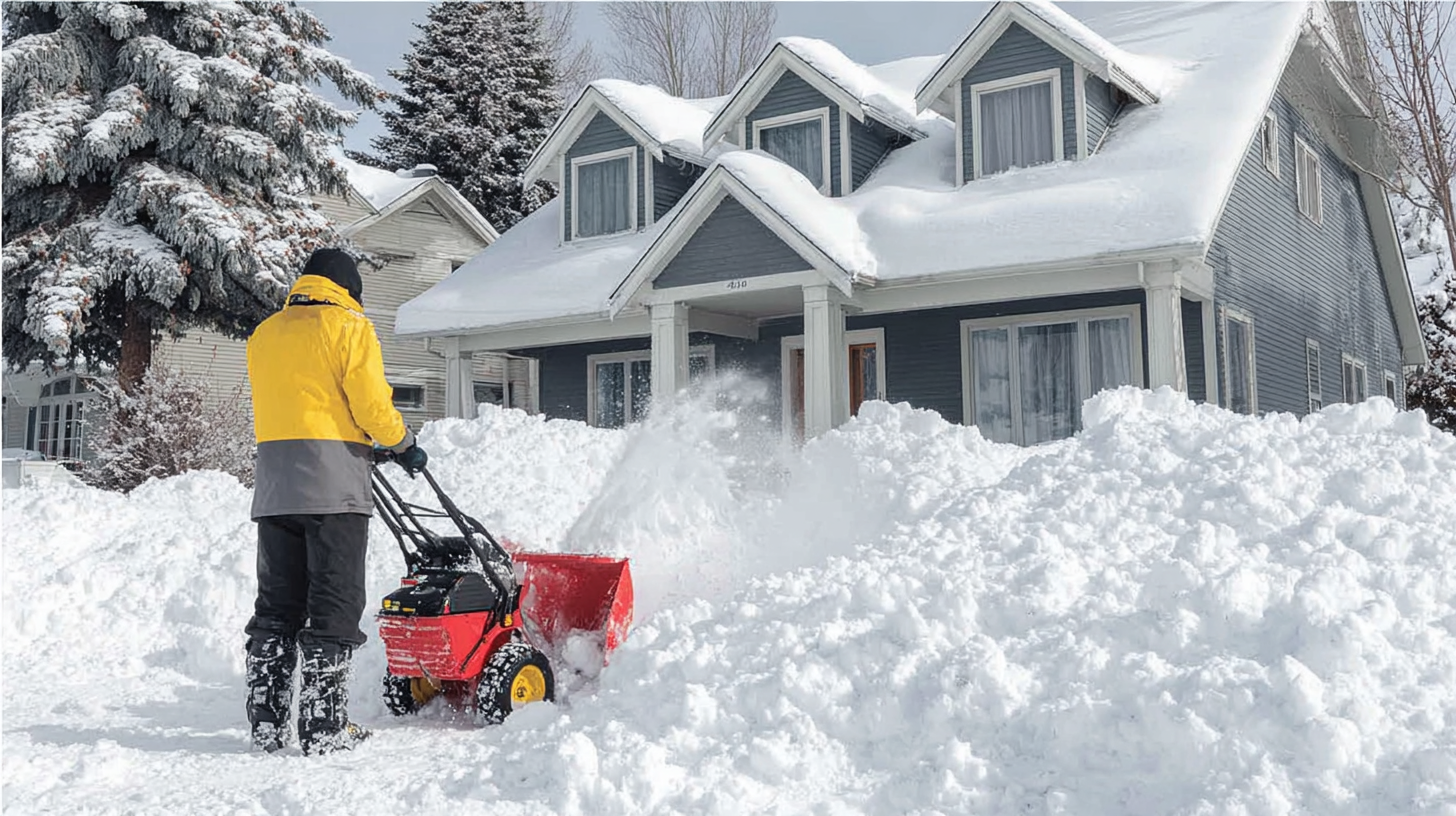
Each strategy includes clear actions you can take this winter in Buffalo, Amherst, or Cheektowaga.
Most traditional de‑icing salts contain sodium chloride, which can cause soil salinity buildup and plant stress even at low concentrations.
A recent study of soil salinity showed that soil electrical conductivity values (a proxy for salt concentration) above 2 dS/m were tolerated by only about one-third of observed plant species. Plants below that threshold were much more likely to experience stress.
Instead, select products designed with lower salt content and turf‑friendlier chemistry, such as:
These options reduce the risk of root dehydration and salt accumulation, which can appear as brown edges or patchy spots in spring.
Using de‑icing products selectively lowers the total chemical load your lawn is exposed to. The key idea is strategic, not widespread, application:
Even distribution matters. Uneven application creates high salt pockets that damage grass more severely than evenly dispersed, lower concentrations.
Do this:
A controlled release minimizes salt contact with grass and reduces run‑off into your lawn beds.
When temperatures hover just below freezing and ice is thin or patchy, traction materials become a safer alternative. Unlike chemical melts, they don't alter soil chemistry.
Safe traction options include:
These materials help prevent slips and falls while leaving your lawn intact.
Removing snow promptly reduces the need for chemical de‑icers. When snow remains packed, melting and refreezing cycles create hard ice layers that require more aggressive treatments.
Here's the logic:
Repeated freeze–thaw cycles, especially common in Western New York, can lead to thicker ice layers if snow isn't removed quickly, increasing reliance on de‑icers.
Clearing snow early and often protects surfaces and reduces the chemical burden on your lawn.
When melt or run‑off from treated areas flows into turf beds, it increases soil salinity along lawn edges. That's where damage often first appears.
What to do:
Even small adjustments help keep chemicals out of your lawn's root zone.
Damage from winter de‑icing doesn't always show up immediately. When soil salinity rises, the effects may surface later in the season as slowed growth or patchy recovery.
Effective post‑winter lawn care includes:
Aeration and overseeding can improve soil water movement and grass recovery after stress events, such as winter salt exposure.
Taking all these steps to minimize chemical salt exposure while maintaining safe walkways protects your lawn's health from December through April and beyond.
Not sure which strategy is best for your lawn? Percy's Lawn Care can guide you in selecting the right steps and provide a customized strategy to keep your lawn safe all winter long. Reach out to us for personalized advice and expert application services.
Choosing the right de‑icing products makes a big difference between keeping your yard safe for winter conditions and unintentionally harming the soil and grass.
Here are some of the most effective lawn‑safe options, and why they can be better than traditional rock salt.
Why it's a good choice:
Key benefits:
Considerations: It works more slowly than traditional salts, so early application with snow clearing often produces the best results.
Magnesium chloride remains effective at lower temperatures than some other alternatives, working well down to about –13°F (–25°C).
Why magnesium chloride can be lawn‑friendlier:
Use tips:
Calcium chloride works at very low temperatures, making it attractive for extremely cold conditions. However, its strong melting capability comes from releasing chloride ions, the same ones linked to soil salinity under sodium chloride, just in a different package.
Best practices:
These aren't de‑icers in the chemical sense, but they are extremely useful for traction when chemical melting isn't needed or should be minimized:
Ideal use cases:
Making thoughtful product choices and application decisions can reduce the cumulative stress on turfgrass over months of winter weather, setting your lawn up for a quicker, greener recovery as the season changes.
Also Read: How to Melt Snow on Your Lawn Safely?
Choosing the right product is just one part of the equation. Let's now look at the top mistakes homeowners make when de-icing and how you can avoid them to keep your lawn healthy throughout the winter.
Even the best products and strategies can fall short if common mistakes keep undermining your lawn's health. In snowy regions like Buffalo, winters can last longer and are punctuated by frequent freeze–thaw cycles.
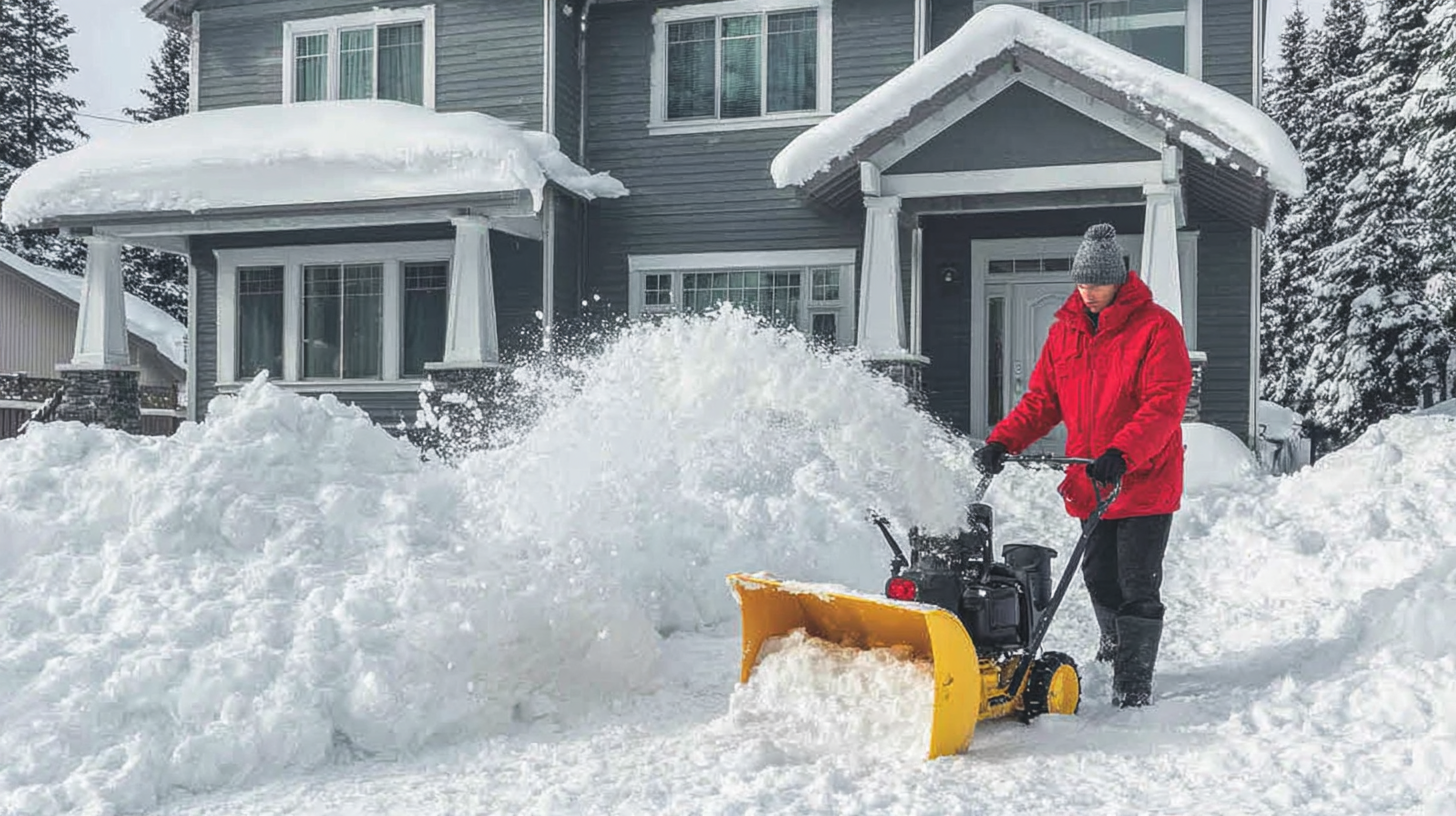
Missteps in de‑icing practices compound over time and manifest as soil salinity stress, patchy spring regrowth, and thinner turf stands.
Below are the most common homeowner errors and how to avoid them with simple corrections.
Applying de‑icing products broadly across lawn surfaces, rather than only on walkways or high‑traffic hardscapes, can increase the total chemical load that enters the soil.
Fix:
Salt and chemical melts are far less effective when applied over compacted snow, and they often migrate into lawn areas as snow melts and refreezes. Repeated freeze–thaw cycles can trap salts in soil profiles, prolonging their impact well into spring.
Fix:
Using more salt or de‑icer than recommended on the label doesn't speed up ice melt the way many people think. Excess product increases soil ion concentration, heightening plant stress.
Fix:
When salt‑based melt dissolves ice, it creates a saline solution that runs onto adjacent turf, which can cause lawn edges to brown and die back in spring. This runoff can dramatically increase soil electrical conductivity at lawn margins compared with turf farther from walkways.
Fix:
Salt that enters the soil over winter doesn't simply vanish once the snow melts. Soil salinity can remain elevated for weeks after thaw begins, slowing early root growth and delaying seasonal green‑up.
Fix:
These small mistakes repeated week after week accumulate. By carefully applying these fixes, you significantly increase your lawn's chances of emerging green, full, and resilient after winter without unnecessary soil damage.
Winter requires precision, planning, and a proactive approach. At Percy's Lawn Care, these values are integral to every service we offer.
As a family-owned company serving Western New York since 1999, we understand the unique challenges that Buffalo winters bring to your property, especially when it comes to keeping walkways safe and lawns protected.
Our winter services go beyond just snow removal:
For specialized winter services and de-icing solutions, Percy's Lawn Care is here to help. Reach us at (716) 245-5296 or hello@percyslawncare.com.
Effective snow removal isn't just about reacting to the next storm. It’s about consistent, proactive care. Clearing snow early, applying de-icing agents before ice bonds, using lawn-safe materials, and keeping walkways wide and safe all reduce hazards and damage.
Small, routine actions after each snowfall prevent bigger problems down the road. At Percy's Lawn Care, we've been supporting homeowners across Buffalo, Amherst, and Cheektowaga since 1999, offering reliable snow removal and year-round lawn care. When winter's unpredictability hits, having a steady, planned approach brings peace of mind.
Reach out to Percy's Lawn Care for expert service and to ensure your property is safe throughout the season and ready for spring.
Q. Can any de‑icing salt hurt my lawn if used in small amounts?
A. Even small amounts of common salts like sodium chloride can increase soil salinity and stress grass roots over time, especially with repeated applications during long winters. It’s best to opt for alternatives with lower chloride content when possible.
Q. What's the difference between anti‑icing and de‑icing, and does it help lawns?
A. Anti‑icing products are applied before snow/ice forms and help prevent bonding, reducing the total amount needed. This proactive approach can lower overall soil salt exposure and protect lawn health. Preventing ice formation often means fewer melt agents are needed later.
Q. If runoff from pavement goes into my lawn, how can I reduce salt effects?
A. Runoff carries dissolved salts into soil, raising salinity. Creating physical barriers (boards/edging) and promptly sweeping excess granules off hard surfaces helps keep salts away from turf root zones, where they do the most harm.
Q. Are there de‑icing products that are less harmful to surrounding plants and grass?
A. Yes. Calcium magnesium acetate (CMA) is significantly less damaging to plant tissues and soil structure than traditional salts, and most university extension services recommend it for sensitive landscapes.
Q. Does using traction materials like sand help reduce lawn damage?
A. Yes. Materials like coarse sand or gravel don't melt ice but improve grip without adding salts to soil, making them a safe choice near lawn edges while still helping prevent slips.