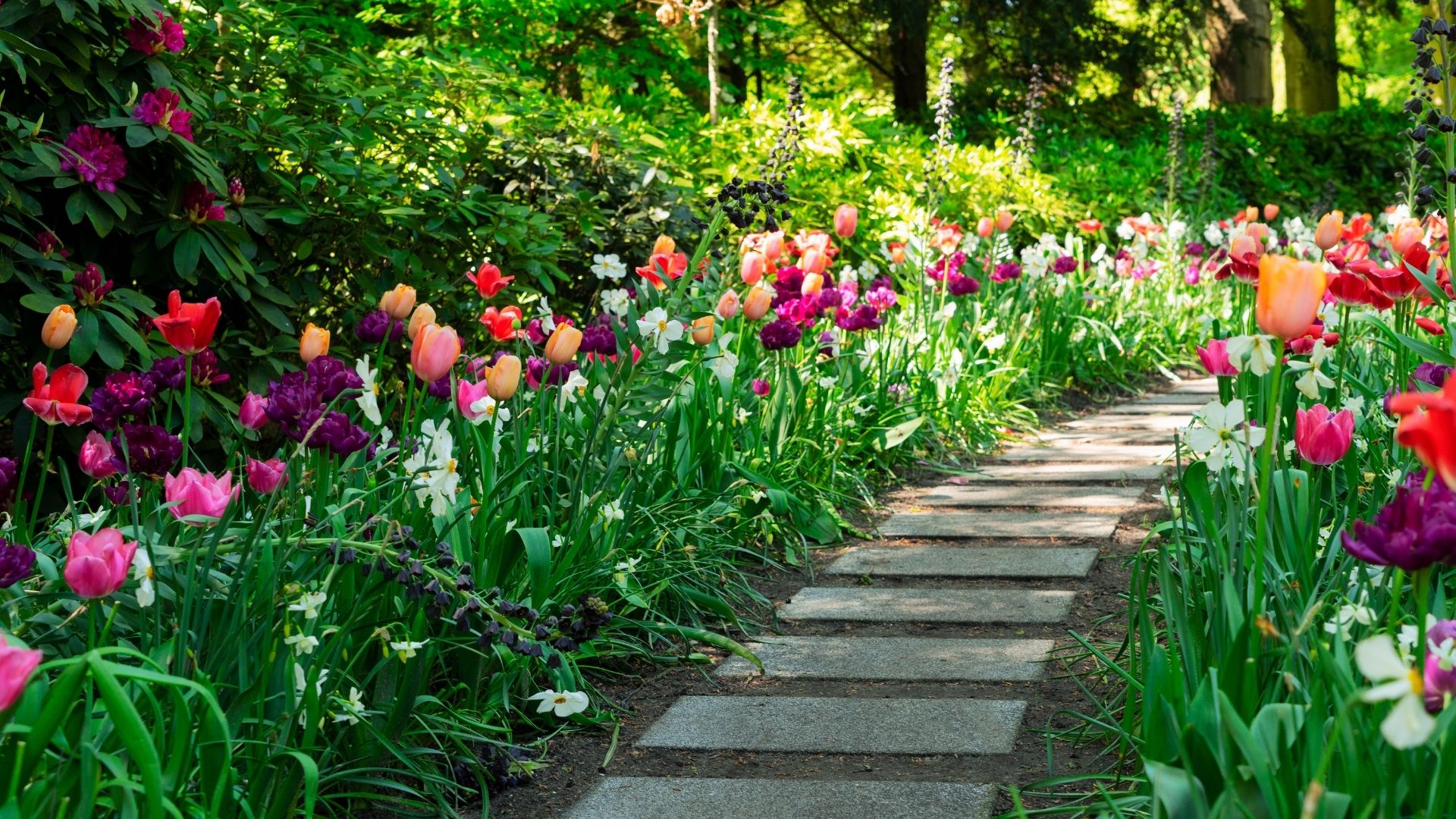
13 Backyard Landscape Ideas to Upgrade Your Outdoor Space
January 20, 2026
If you have ever looked at your backyard and felt unsure where to start, you are not alone. Many homeowners struggle with unused space, mismatched furniture, patchy grass, or a yard that feels more like storage than a place to relax.
A recent study shows that 77% of consumers underutilize their outdoor living space, while only 23% use it as much as they want. This gap often comes from poor planning, a lack of inspiration, or features that do not match real daily needs.
In this blog, we’ll explore creative backyard landscape ideas, smart planning tips, budget-friendly upgrades, design styles, and simple ways to make your space more inviting and functional.
Key Takeaways:
Planning your backyard around your lifestyle helps create a space you will actually use every day.
Simple zoning makes even small yards feel organized and purposeful.
Low-maintenance plants and materials save time, effort, and money long term.
Thoughtful lighting and seating improve comfort for evening use.
Seasonal styling keeps your outdoor space fresh throughout the year.
Backyard Landscape Planning: Where to Start and What to Consider
Careful planning makes the difference between a backyard that feels temporary and one that stays useful, organized, and enjoyable for many years. When you rush into buying plants or furniture, the space often feels cluttered, awkward, or unfinished, leading to frustration and wasted effort.
Here are the key planning areas that will guide every decision you make for your backyard landscaping:
1. Assess Your Yard’s Natural Conditions
Every backyard has unique conditions that affect what will grow well and where features should be placed for comfort. Noticing these details early saves time, money, and effort later when you start adding plants and structures. Here are the main factors to observe:
Sun and shade patterns: Track where sunlight falls throughout the day, since morning sun suits seating areas while shade works better for rest zones.
Soil type and texture: Pick up a handful of soil and squeeze it gently to see if it feels heavy, sandy, or loose.
Water flow after rain: Watch where puddles form, or water collects, because these spots may need gravel, raised beds, or better drainage.
Existing features: Trees, fences, slopes, and sheds should guide your layout instead of becoming obstacles during planning.
2. Define Your Backyard’s Main Purpose
Your backyard should reflect your daily habits rather than following trends that may not suit your lifestyle. Think about how you want to use the space on regular weekdays, not only for special events. Here are common purpose categories:
Quiet retreat: A calm corner with shade, a bench, and a side table works well for reading or evening tea.
Social gathering space: Seating clusters allow friends to talk comfortably while leaving room for food tables and small activities.
Family activity area: Open lawn space supports games, bike riding, or outdoor crafts for children.
Pet-friendly section: Tough grass, gravel zones, and shaded resting spots help pets stay comfortable and clean.
3. Establish a Practical Budget Plan
A budget keeps spending under control while helping you decide what should be done now or later. It also prevents impulse purchases that may not fit your overall backyard design. Here are helpful budgeting guidelines:
Rank your priorities: Decide what matters most, such as seating, privacy screens, or garden beds, before spending any money.
Work in stages: Complete one area at a time instead of trying to finish everything in a single season.
Balance DIY and hired work: Simple tasks like planting and painting can be done yourself, while complex jobs need professional help.
Select low-care options: Perennials, gravel paths, and native plants reduce future maintenance and replacement costs.
4. Match Your Backyard Style to Your Home
A consistent look between your house and yard makes the entire space feel natural and visually pleasing. Choosing a style early helps guide furniture, plant choices, and color themes. Here are popular style directions:
Modern look: Straight lines, stone paths, neutral shades, and structured plants create a clean and organized appearance.
Cottage garden feel: Curved walkways, layered flowers, and relaxed planting give a soft and welcoming mood.
Natural setting: Native plants, soft edges, and bird-friendly areas bring a peaceful outdoor atmosphere.
Mediterranean touch: Gravel paths, clay pots, herbs, and warm colors add a sunny and casual feeling.
5. Divide the Yard Into Functional Zones
Zoning helps both large and small yards feel organized while giving each area a clear purpose. This approach also improves movement and prevents the space from feeling cluttered. Here are typical backyard zones:
Dining area: Place tables and chairs close to the kitchen or grill for easy serving and cleanup.
Lounge space: Sofas, hammocks, or fire pit seating create a relaxed spot for evening conversations.
Garden corner: Flower beds, herb boxes, or vegetables add color and fresh produce to your yard.
Open play zone: Leave clear space for sports, yoga, or children’s games.
6. Plan for Privacy and Comfort
Privacy turns your backyard into a personal retreat instead of an exposed outdoor area. Comfort also improves when noise and visual distractions are reduced. Here are simple privacy ideas:
Green screens: Tall shrubs and narrow trees block views naturally while adding greenery.
Decorative panels: Wood or metal screens offer coverage while adding visual interest.
Climbing plants: Vines on trellises soften fences and walls while improving coverage.
Layered planting: Combining trees, shrubs, and flowers creates depth and reduces noise.
7. Sketch a Simple Layout Plan
You do not need special tools, since a rough sketch helps visualize how everything will fit together. This step also highlights spacing problems before you start building. Here are easy sketching steps:
Mark fixed elements: Draw your house, doors, trees, and fences to keep proportions accurate.
Add your zones: Show where each activity area will be placed.
Note sunny and shaded areas: This helps position seating and plants wisely.
Leave walking paths: Clear routes improve movement and safety throughout the yard.
Now that the groundwork is set, let’s look at inspiring backyard ideas you can adapt to your own yard.
13 Creative Backyard Landscape Ideas for Every Home
Your backyard should feel personal, welcoming, and easy to enjoy, no matter the size or layout of your outdoor space. The ideas below focus on comfort, style, and simple upgrades that fit everyday living and family routines.
Here are creative backyard landscape ideas you can adapt to match your space, budget, and lifestyle needs:
1. Gravel Courtyards with Stepping Stones
Gravel courtyards offer a clean look while staying easy to maintain throughout changing seasons. Stepping stones break up the gravel surface and create a natural walking path across the yard. Here are ways to style this idea:
Stone placement: Space stepping stones evenly to create a comfortable walking rhythm while avoiding awkward gaps that may cause tripping or discomfort.
Plant borders: Add low-growing plants along edges to soften the hard surfaces and blend the pathway naturally into surrounding garden areas.
Seating accents: Place simple chairs or wooden benches near the path to create resting spots that encourage longer outdoor stays.
Lighting touch: Use solar path lights to guide movement after sunset while adding warmth and subtle visual interest to the courtyard.
2. Zen Garden Walkways
Zen-style paths bring a calming feel and work well for side yards or quiet corners. These walkways often combine gravel, stones, and simple greenery for a peaceful look. Here are simple elements to include:
Crushed gravel: Choose light-colored gravel to keep the area bright while maintaining a clean and organized appearance throughout the year.
Natural stones: Use flat stepping stones to guide walking while adding texture and contrast against the gravel surface.
Minimal plants: Select small shrubs or ornamental grasses to keep the space uncluttered and easy to maintain.
Wood accents: Add a small bench or lantern to create a quiet resting spot and visual balance within the area.
3. Backyard Water Features
Water features add movement and a gentle sound that make outdoor spaces feel relaxing. Even a small fountain can change the mood of your backyard. Here are popular water feature ideas:
Stone fountains: Choose natural stone designs that blend effortlessly with garden settings and require minimal upkeep throughout the seasons.
Small ponds: Add aquatic plants and smooth rocks to support birds while creating a peaceful backyard focal point.
Bubbling rocks: These low-care features offer gentle water sounds without deep pools, making them safer for families.
Wall fountains: Mount water features on fences or walls to save ground space while adding soothing background sound.
4. Fire Pit Gathering Areas
Fire pits create a natural meeting point for friends and family during cool evenings. They work well in large yards and compact spaces alike. Here are ways to design a fire pit area:
Circular seating: Arrange chairs evenly around the pit to encourage conversation and create a welcoming social setup.
Stone base: Use gravel or pavers beneath the pit to keep the area tidy and reduce fire safety risks.
Side tables: Add small tables nearby for drinks, snacks, and personal items during gatherings.
Soft lighting: Hang string lights above the seating area to extend usability after sunset and add warmth.
5. Cottage Garden Corners
Cottage-style gardens bring color and charm with layered flowers and curved paths. This style feels relaxed and works well near patios or fences. Here are ways to create this look:
Mixed flowers: Combine plants of different colors and heights to create depth and visual interest throughout the growing season.
Curved walkways: Use gravel or brick paths that gently wind through the garden for a relaxed appearance.
Wood features: Add trellises or small fences to give structure and support climbing plants.
Decor pieces: Include garden statues, lanterns, or vintage pots to add personality and charm.
6. Raised Garden Beds
Raised beds make gardening easier and help control soil quality. They work well for vegetables, herbs, and seasonal flowers. Here are the benefits of raised beds:
Better drainage: Elevated soil allows excess water to escape easily, preventing root rot and plant stress.
Easy access: Raised height reduces bending and kneeling, making gardening more comfortable for all ages.
Soil control: You can add custom soil mixes suited for specific plants and growing conditions.
Neat appearance: Defined bed edges keep your yard organized and visually clean throughout the season.
7. Vertical Garden Features
Vertical gardens help small yards feel greener without using ground space. They work well on fences, walls, and patios. Here are ways to add vertical greenery:
Wall planters: Mount pots directly onto fences or walls to grow herbs or flowers in compact spaces.
Trellis systems: Grow climbing plants upward to create green privacy screens or decorative accents.
Hanging baskets: Suspend flower baskets at varying heights to add layers and visual depth.
Shelf gardens: Use tiered racks to display potted plants while keeping walking areas clear.
8. Privacy-Focused Backyard Ideas
Privacy helps your backyard feel calm and personal. It also reduces noise and visual distractions from nearby homes. Here are simple privacy solutions:
Tall shrubs: Plant dense shrubs along borders to block unwanted views and soften fence lines naturally.
Wood panels: Install decorative panels to create visual barriers while adding design character to the space.
Climbing vines: Grow vines on trellises to cover fences and create natural green walls.
Layered plants: Combine trees, shrubs, and flowers to add depth and improve sound reduction.
9. Curved Garden Paths
Curved paths make yards feel larger and more inviting. They guide visitors naturally through different sections. Here are ways to build curved paths:
Flagstone: Use irregular stone shapes to create an organic walking route through the yard.
Gravel: Spread compacted gravel for an affordable and low-maintenance pathway option.
Brick edging: Line path borders with bricks to keep gravel in place and define curves clearly.
Soft curves: Avoid sharp angles to maintain a relaxed and natural walking flow.
10. Outdoor Dining Spaces
Dining outdoors adds comfort to everyday meals and gatherings. Even small patios can support a cozy table setup. Here are dining area tips:
Shade cover: Use umbrellas or pergolas to protect diners from direct sun during daytime meals.
Compact tables: Choose space-saving furniture that fits well without crowding smaller patios.
Outdoor rugs: Place rugs under tables to define the dining zone visually.
Soft lighting: Add lanterns or string lights to create a warm evening dining atmosphere.
11. Backyard Lighting Ideas
Lighting makes your yard usable after sunset and improves safety. Soft light creates a relaxing mood. Here are lighting options:
Path lights: Install lights along walkways to guide movement safely while adding visual interest after dark.
String lights: Hang lights above seating areas to create a cozy and inviting evening atmosphere.
Tree uplighting: Position lights at tree bases to highlight branches and create dramatic shadows.
Solar lamps: Choose solar-powered lights to reduce energy costs and avoid wiring work.
12. Pet-Friendly Backyard Features
Pet-friendly yards reduce mud and damage. They also keep animals comfortable. Here are helpful features:
Gravel zones: Create easy-to-clean potty areas that dry quickly after rain.
Shaded spots: Add umbrellas or trees to give pets relief from direct sun.
Durable grass: Plant tough grass varieties that tolerate heavy foot traffic.
Fenced areas: Install secure fencing to keep pets safe while allowing outdoor freedom.
13. Family-Friendly Outdoor Ideas
Outdoor play encourages kids to stay active. Natural elements work better than plastic toys. Here are kid-friendly ideas:
Tree swings: Hang sturdy swings from strong branches for safe outdoor fun.
Sand areas: Build small sand zones for creative play and digging activities.
Garden beds: Let children grow vegetables to learn about nature and responsibility.
Log steps: Use wooden stumps or logs to create adventure paths.
After selecting design ideas, the next step is choosing plants and learning how to care for them properly.
Plants bring life, color, and comfort to your backyard, but choosing the right ones makes a big difference in long-term success. Proper care keeps your yard healthy and attractive while reducing stress and unnecessary maintenance work throughout the seasons.
Here are the key areas to focus on when planting and caring for your backyard:
1. Choose Plants That Match Your Climate
Selecting plants suited to your local weather improves survival and reduces the need for constant care and replacement. Cold-hardy plants handle frost better, while heat-tolerant varieties survive summer without frequent watering. Here are smart plant selection tips:
Native plant choices: Pick plants that grow naturally in your region since they handle local weather and soil conditions with minimal effort.
Sun requirement matching: Place sun-loving plants in bright areas and shade plants in cooler spots to support healthy growth patterns.
Seasonal interest planning: Combine plants that bloom at different times to keep your backyard colorful throughout the year.
Size at maturity: Check full-grown plant size to avoid crowding and future trimming problems later.
2. Prepare the Soil Properly
Healthy soil supports strong roots and long-lasting plant growth across all seasons. Poor soil often causes weak plants and frequent watering issues. Here are the soil preparation steps:
Loosen compacted soil: Turn the soil using a shovel or garden fork to improve airflow and root movement.
Add organic matter: Mix compost into the soil to improve structure and support moisture retention.
Check drainage: Pour water into planting holes to ensure it drains properly before adding plants.
Remove weeds: Clear weeds completely to reduce competition for nutrients and sunlight.
3. Plant with Proper Spacing
Correct spacing helps plants grow fully without fighting for light, water, and nutrients. Crowded plants often develop disease and weak stems. Here are spacing tips:
Read plant tags: Follow spacing instructions printed on labels to support healthy growth patterns.
Allow air flow: Leave enough space between plants to reduce moisture buildup on leaves.
Group similar needs: Plant species with similar water and light needs together for easier care.
Plan future growth: Visualize plant size after one or two years to prevent overcrowding.
4. Water the Right Way
Proper watering supports root growth and prevents disease. Overwatering causes root rot, while underwatering weakens plants. Here are watering guidelines:
Water early mornings: Morning watering reduces evaporation and gives plants time to dry before night.
Deep watering method: Soak the soil thoroughly to encourage deep root growth rather than shallow roots.
Check soil moisture: Touch the soil before watering to avoid giving unnecessary water.
Use mulch cover: Mulch keeps moisture in the soil and reduces temperature swings.
5. Maintain Your Lawn Regularly
A healthy lawn improves the look and comfort of your backyard. Regular care prevents patchy grass and weed growth. Here are lawn care practices:
Mow at proper height: Keep grass slightly taller to protect roots and reduce weed spread.
Aerate once a year: Create small holes in the soil to allow air and water to reach roots.
Overseed thin areas: Spread grass seed to fill bare patches and thicken lawn cover.
Fertilize wisely: Use balanced fertilizer during growing seasons to support healthy growth.
6. Control Weeds Naturally
Weeds compete with plants for nutrients and water. Early control prevents bigger problems later. Here are weed control tips:
Hand pull regularly: Remove weeds before they develop deep roots and spread seeds.
Use mulch layers: Cover soil with mulch to block sunlight from reaching weed seeds.
Edge garden beds: Install borders to prevent grass and weeds from spreading into beds.
Avoid overwatering: Extra water encourages weed growth in unwanted areas.
7. Watch for Pests and Disease
Early detection prevents serious damage to plants and grass. Regular checks save time and money. Here are prevention steps:
Inspect leaves weekly: Look for holes, spots, or discoloration that may signal pest issues.
Remove infected plants: Isolate or remove damaged plants to stop disease spread.
Encourage helpful insects: Ladybugs and birds help control harmful pests naturally.
Use mild treatments: Try soap sprays or neem oil before stronger options.
8. Adjust Care by Season
Each season requires different care for your backyard. Following seasonal routines keeps plants strong year-round. Here are seasonal care tips:
Spring tasks: Clean debris, prune dead growth, and prepare beds for planting.
Summer care: Water deeply, remove faded flowers, and watch for heat stress.
Fall preparation: Trim plants, apply mulch, and prepare soil for cold months.
Winter protection: Cover sensitive plants and avoid walking on frozen grass.
Once your plants are established, small seasonal updates help keep your backyard looking fresh throughout the year.
Changing your backyard style with the seasons keeps the space fresh and enjoyable throughout the year. Minor updates can match the weather and mood without requiring significant effort or expense.
Seasonal Outdoor Styling Ideas
Season
Styling Focus
Practical Ideas
Spring
Fresh colors and light textures
Add flowering plants in containers, replace worn cushions, refresh mulch, and clean outdoor furniture after winter storage.
Summer
Comfort and shade
Use umbrellas or shade sails, place outdoor rugs, add cooling fans, and arrange seating for evening gatherings.
Fall
Warm tones and cozy layers
Bring in soft blankets, lanterns, pumpkins, and fire pit seating to create a welcoming atmosphere.
Winter
Subtle charm and safety
Use evergreen planters, outdoor string lights, sturdy furniture covers, and non-slip mats for walkways.
While styling adds personality, reliable support ensures your backyard stays in great condition year after year.
Homeowners trust Percy’s Lawn Care because they value dependable service, personal attention, and results that reflect genuine care for their outdoor spaces. The team focuses on long-term relationships rather than quick fixes, helping families enjoy yards that stay beautiful year after year.
Here are the reasons homeowners continue to choose Percy’s Lawn Care:
Free on-site consultations: Clients receive personalized assessments at their property, helping identify goals, challenges, and realistic solutions before any work begins.
Custom planning approach: Every project starts with a tailored plan based on yard size, lifestyle needs, and long-term maintenance preferences.
Attention to detail: Crews focus on precise work, clean finishes, and thoughtful placement to ensure every project looks polished and complete.
Family-focused service: Customers are treated with care and respect, creating trust through friendly communication and honest guidance.
Sustainable practices: The team uses methods that support healthy soil, responsible water use, and plant choices suited for local conditions.
Ongoing support: Homeowners receive continued guidance after project completion to keep their yards healthy and attractive throughout the seasons.
Reach out to Percy’s Lawn Care for a free on-site consultation and receive guidance tailored to your yard, goals, and long-term care needs.
Call (716) 245-5296 or email hello@percyslawncare.com to schedule your consultation and start planning your outdoor space.
Bring Your Backyard Vision to Life
Your backyard has the potential to become a place where memories are made, stress fades, and everyday life feels more enjoyable. With thoughtful planning, creative backyard landscape ideas, and consistent care, even the simplest outdoor space can feel comfortable and welcoming.
Small changes, when done with intention, can make a noticeable difference in how you experience your yard each day.
If you are ready to upgrade your outdoor space with confidence, contact Percy Lawn Care todayfor expert landscaping services and personalized support that fits your needs and vision.
FAQs
1. What are the 7 principles of landscape design?
The seven principles include balance, proportion, rhythm, emphasis, unity, contrast, and simplicity. These guidelines help arrange plants, paths, and features in a way that feels organized and visually pleasing. Using these principles creates harmony and prevents the space from feeling cluttered or uneven.
2. What is a good size for a backyard?
There is no perfect size for a backyard, since usefulness matters more than square footage. A small yard can feel spacious with smart zoning, while a large yard benefits from defined areas to avoid looking empty. The right size depends on how you plan to use the space.
3. What are the 5 basic elements of landscaping?
The five basic elements are line, form, color, texture, and scale. Line guides movement through the yard, form defines shapes, color adds mood, texture creates depth, and scale keeps everything proportional. Together, these elements help build a balanced outdoor space.
4. How long does it take to see results after planting new greenery?
Most plants show early signs of growth within a few weeks if watered properly. Full growth may take several months, while trees and shrubs can take one to three years to reach noticeable size. Patience is part of the process.
5. Can I redesign my backyard without removing everything first?
Yes, many improvements can happen in stages without starting from scratch. You can update one section at a time, replace unhealthy plants, and add new features while keeping what already works well. This approach saves time and money.