In regions with long winters like Buffalo, snow mold isn't a rare nuisance; it's a predictable turf disease that local climates practically create every year. Snow cover lasting beyond 60–90 days provides ideal conditions for snow mold fungi to grow beneath the snow and thrive well before the snow melts.
What is often a surprise is that snow mold begins to develop before winter is over, not just after the snow melts. Conditions under persistent snow, moisture, darkness, and cool but not frozen soil allow fungi to grow right up until snowmelt. When the snow finally clears, symptoms become visible, but the disease itself has already been active for weeks.
This guide focuses on snow mold lawn treatment with a strong emphasis on prevention. Instead of reacting to damage once it appears, you'll learn to recognize early signs and which prevention steps significantly reduce the risk of recurring disease in your lawn next spring.
Understanding the why and when of snow mold occurrence is essential before moving on to prevention and treatment steps.
Snow mold is not a single issue, and it's not caused by spring weather alone. It's a fungal disease that develops quietly under snow cover and becomes visible only after the snow pulls back. In climates like Buffalo, where snow sits for long stretches, lawns are exposed to the exact conditions these fungi need to survive.
Among the two primary types, Gray snow mold is the most common and usually appears as light gray or straw-colored patches with matted grass. Pink snow mold is less common but more aggressive, often leaving pink or reddish edges and causing longer-lasting turf damage. Both affect cool-season grasses typical in Western New York.
The reason snow mold shows up after snow melt comes down to three factors working together:
Snow mold fungi remain active at low temperatures as well, especially when insulated by snow. By the time spring arrives, the disease has already weakened the grass structure.
This explains why lawn disease after snow melt often feels sudden. The damage did not happen overnight. It built up slowly throughout winter and revealed itself once the protective snow layer disappeared.
Also Read: Expert Lawn Care Tips for a Healthy, Green Yard
Next, let's look at the early signs of snow mold that homeowners often overlook.
One of the earliest signs is matted grass that stays pressed flat even after dry days. Healthy turf usually begins to lift once airflow and sunlight return. Grass affected by snow mold often stays flattened and tangled, especially in circular or uneven patches.
Other subtle signs include:
These areas often appear where snow piled deepest or lingered longest, such as along fence lines, shaded sections, and spots with poor drainage.
Another overlooked sign is slow recovery after initial cleanup. When light raking and drying do not improve color or growth after a couple of weeks, fungal stress is often involved.
Catching snow mold early helps limit how much turf needs repair later. It also gives you a better chance to focus on recovery and prevention rather than a complete renovation.
If you're unsure whether slow recovery is normal or the start of snow mold, a quick on-site assessment can clarify what's happening. Percy’s Lawn Care offers free consultations to identify early disease stress before it spreads. Schedule a call today!
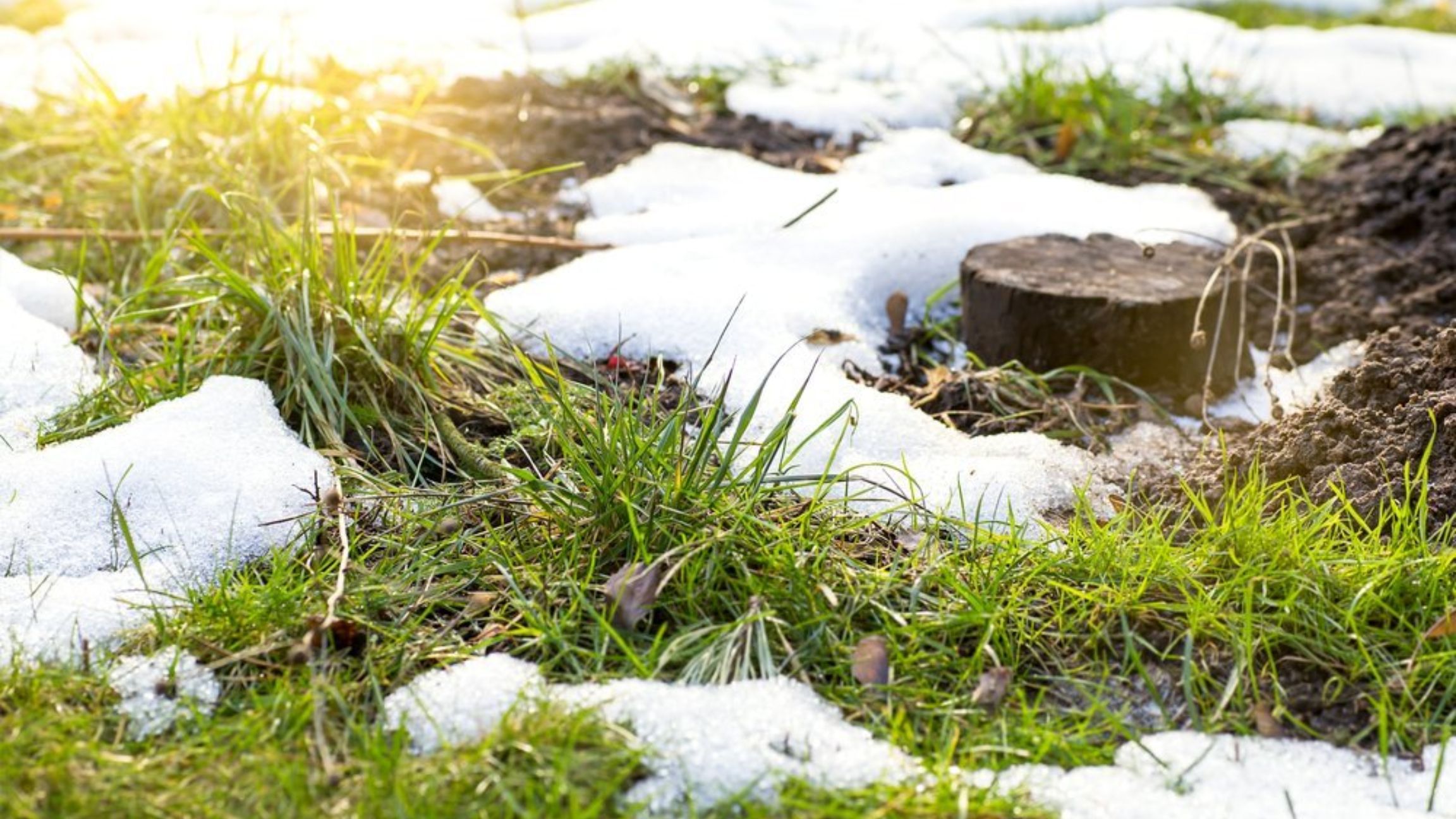
After snow melt, affected areas usually lack airflow and sunlight. Grass blades remain matted, moisture stays trapped near the soil surface, and fungal activity lingers. Applying chemicals before fixing those issues rarely solves the problem and can stress already weakened turf.
So, the first priority is gentle cleanup.
Focus on:
Timing matters here. Cleanup should only happen once the lawn is no longer saturated. Working on wet turf can tear roots and further compact the soil, slowing recovery instead of helping it.
Chemical treatments have a place, but they are preventive tools, not springtime fixes. Once snow mold is visible, restoring healthy growing conditions does far more for recovery than quick treatments.
Also Read: How to Melt Snow on Your Lawn Safely?
Next, let's walk through the prevention steps that reduce snow mold risk long before winter returns and help break the cycle of repeated spring damage.
Snow mold lawn treatment is far more effective when it starts with prevention. Most recurring cases trace back to fall habits and soil conditions that quietly set the stage for disease months before snow arrives. These steps focus on breaking that cycle.
Leaving grass too long going into winter increases the risk of snow mold. Taller blades bend under snow, trap moisture, and limit airflow.
Aim to:
This simple adjustment reduces moisture retention and helps grass dry faster once the snow melts.
Organic debris creates a perfect shelter for fungal growth. Leaves, clippings, and plant matter trap moisture and block airflow under snow cover.
Before winter:
Clean turf has far fewer places for snow mold to establish.
Poor drainage and compacted soil keep moisture locked near the surface, even after snow melts. These conditions allow fungi to stay active longer.
Addressing snow compaction through proper aeration improves:
Lawns with healthy soil structure are far less likely to develop persistent snow mold.
Heavy nitrogen applications late in the fall encourage tender growth that is more vulnerable to disease. That soft tissue struggles under snow cover, thereby feeding fungal activity.
Instead:
Prevention works best when these steps are combined. Percy’s Lawn Care helps homeowners plan mowing, cleanup, and soil care before winter, reducing disease risk long before snow arrives.
Next, we'll cover when snow mold treatment goes beyond basic DIY care and how to recognize signs that professional support is needed.
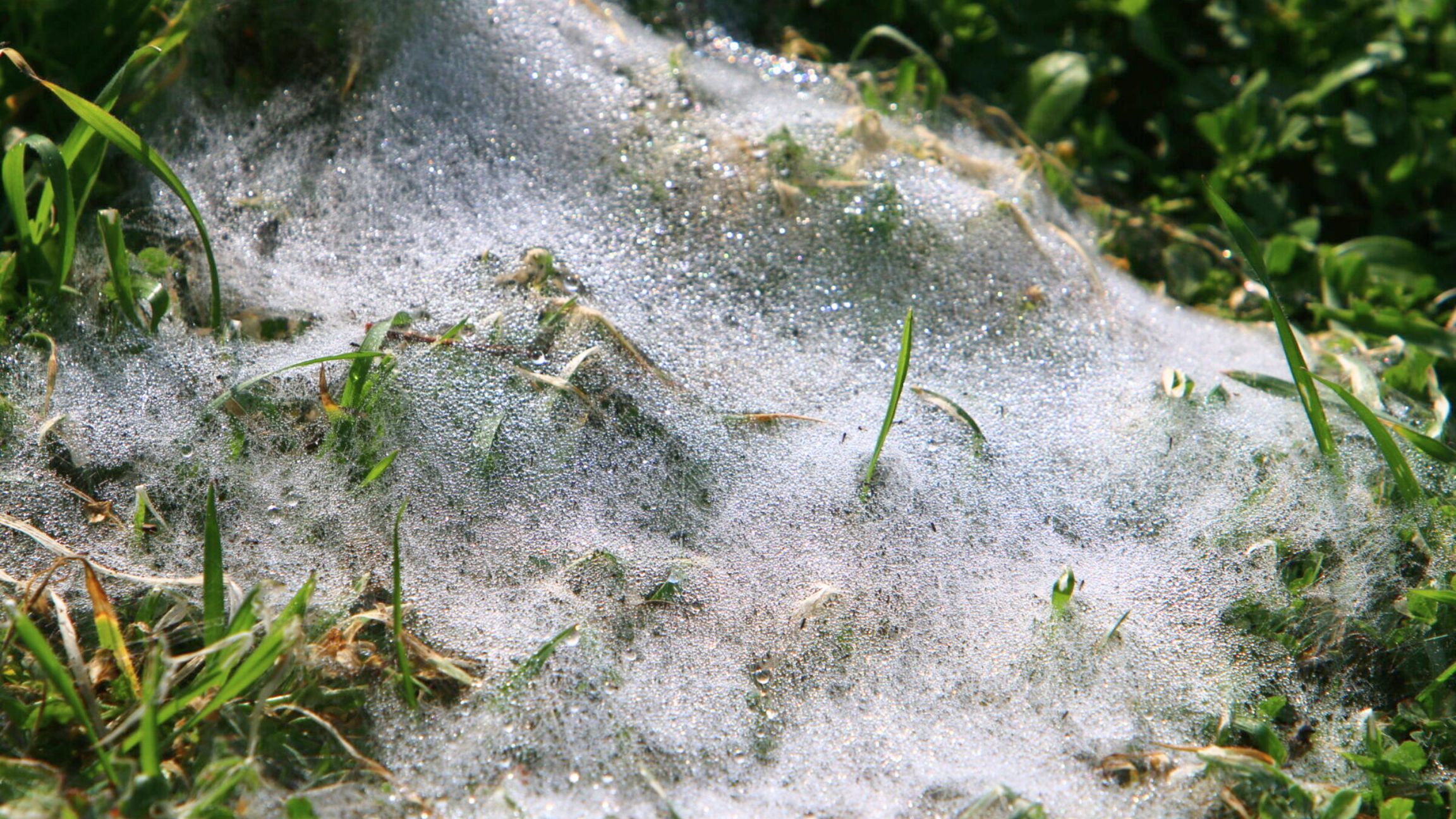
Light snow pile damage often improves with proper cleanup and drying. Problems arise when the same areas struggle year after year or fail to recover well into spring. That's usually a sign the issue runs deeper than surface conditions.
Pay close attention if you notice:
These symptoms often indicate underlying soil problems, such as poor drainage, long-term compaction, or nutrient imbalances. At this stage, repeating surface-level fixes rarely delivers lasting results.
Professional support becomes valuable because treatment shifts from appearance to structure. A proper assessment looks beyond the grass blades and focuses on:
Snow mold prevention works best when it's part of a broader lawn care strategy, not a one-time spring reaction. When damage keeps returning, a customized plan can break the cycle and restore consistent growth.
Snow mold prevention starts well before winter arrives and continues into early spring. At Percy's Lawn Care, snow mold isn't treated as a one-season problem. It's addressed through consistent planning, proper timing, and attention to how each lawn handles snow, moisture, and airflow.
As a family-owned company serving Buffalo, Amherst, and Cheektowaga since 1999, Percy's understands how local winters contribute to recurring lawn diseases after snowmelt.
Support for homeowners goes beyond spring cleanup:
Instead of reacting to snow mold each spring, Percy's builds prevention into the full care cycle. That approach helps lawns recover faster and reduces the chances of disease returning next winter.
For snow mold prevention planning or a free on-site consultation, homeowners can contact Percy's Lawn Care at (716) 245-5296 or hello@percyslawncare.com.
Snow mold is much easier to prevent than to repair. The right fall habits, proper cleanup, and attention to airflow and moisture can significantly reduce the risk of lawn disease after snow melt. Waiting until patches appear in spring often means the damage has already been done.
Buffalo winters are tough on turf, but repeated snow mold outbreaks are not inevitable. Since 1999, Percy's Lawn Care has helped homeowners across Buffalo, Amherst, and Cheektowaga protect their lawns through thoughtful seasonal planning and consistent care.
A prevention-first approach keeps lawns healthier, stronger, and better prepared for the winter ahead. If snow mold shows up on your lawn every spring, get a free on-site consultation to create a plan that reduces disease before next winter arrives.
Q. Can snow mold spread from one part of the lawn to another?
A. Yes. Snow mold fungi can spread through matted grass, lingering moisture, and foot traffic on wet turf. Improving airflow and avoiding walking on affected areas helps limit the spread during early spring.
Q. Does snow mold mean my lawn was unhealthy before winter?
A. Not always. Even healthy lawns can develop snow mold if snow cover is deep and persistent. However, repeated outbreaks often point to fall mowing, drainage, or debris issues.
Q. Should fungicides be applied in spring once snow mold appears?
A. Spring fungicides rarely reverse visible damage. They are most effective when applied preventively in the fall, especially on lawns with a history of snow mold.
Q. Will snow mold damage come back in the same spots every year?
A. It often does. Snow mold tends to reappear in areas with poor drainage, shade, or repeated snow cover unless those conditions are corrected.
Q. How long should I wait before reseeding areas affected by snow mold?
A. Reseeding should wait until the soil dries, temperatures stabilize, and the grass shows signs of recovery. Reseeding too early can fail if moisture and fungal activity persist.