Keeping your lawn healthy between seasons isn't just a weekend chore. It's a foundation for turf strength, disease resistance, and long-term curb appeal. After Buffalo's harsh winters and before the next one rolls in, spring and fall represent critical windows to clear debris, improve soil conditions, and set your yard up for growth.
Removing leaves, sticks, and winter debris allows sunlight, air, and nutrients to reach the soil, supporting stronger root development and reducing disease pressure. At the same time, spring cleanup helps lawns green up faster by removing leftover debris from winter dormancy that can block new growth and create breeding grounds for pests and disease.
This blog breaks down the 9 yard tasks homeowners can't skip during spring and fall cleanups. You'll learn not just what to do, but why it matters, when to schedule each task, and how these seasonal efforts make the rest of your lawn care more effective.
If you want a quick way to see what actually matters during spring and fall cleanups, this is it. These nine tasks show up in both seasons because they directly affect soil health, turf density, and how well your lawn handles Buffalo's weather swings.
Use this list as a checklist before you get deeper into each task.
1. Clear debris that smothers turf
Remove sticks, leaves, and winter buildup that block air and sunlight.
2. Rake out matted grass and heavy thatch
Light raking helps prevent moisture from getting trapped at the soil surface.
3. Edge the lawn to control the spread and clean up the borders
Defined edges limit weeds and make routine mowing easier.
4. Reset garden beds before weeds take hold
Early cleanup reduces weed pressure later in the season.
5. Prune damaged or overgrown plants with intention
Seasonal pruning supports healthy regrowth and prevents breakage.
6. Refresh mulch without piling it too deep
Proper mulch depth helps control moisture and suppress weeds.
7. Feed the lawn based on seasonal needs
Spring and fall fertilizing serve different purposes for root and blade growth.
8. Aerate and seed thin or compacted areas
This helps grass recover from stress and fill in weak spots.
9. Fix drainage and runoff issues
Redirecting water protects turf from rot, erosion, and bare patches.
Each of these tasks plays a specific role. Skipping even one can limit the results of everything else you do throughout the season.
Next, let's look at when spring and fall cleanups should occur in Buffalo, so timing works in your favor rather than against you.
.webp)
Timing matters just as much as the tasks themselves. In Buffalo, rushing a cleanup too early or waiting too long often causes more harm than good. The goal is to work with soil and grass conditions, not against them.
Spring cleanups should start after the snow has fully melted and the ground has firmed up. Working on a lawn that's still saturated can compact the soil and tear young grass before it has a chance to recover.
A good rule of thumb:
This window usually opens in early to mid-spring, depending on how quickly winter lets go. Waiting a little longer protects roots and sets up better growth once the lawn wakes up.
Fall cleanups should begin once leaves start falling regularly, not all at once at the end of the season. Allowing heavy layers to remain too long traps moisture and blocks sunlight, weakening the grass going into winter.
Ideal fall conditions:
Wrapping up cleanups before consistent freezing gives lawns a cleaner surface and reduces issues like mold and thinning in spring.
Getting the timing right makes every cleanup task more effective.
If you're unsure when your lawn is firm enough to work on or when cleanup should actually begin, guessing can do more harm than waiting. Percy's Lawn Care evaluates soil conditions and helps you time spring and fall cleanups based on how your yard actually drains and recovers. Schedule a free on-site consultation today!
Next, let's break down the 9-yard tasks that keep lawns healthy between seasons, and explain how each one fits into spring and fall cleanups.
The hard work of spring and fall cleanup isn't just about appearance. It's about setting up your lawn to survive weather swings, avoid disease, and grow stronger year after year.
In Buffalo and Western New York, where cool-season grasses like Kentucky bluegrass and fine fescues dominate, doing the right cleanup tasks at the right time utilizes seasonal growth patterns and natural soil conditions for better results.
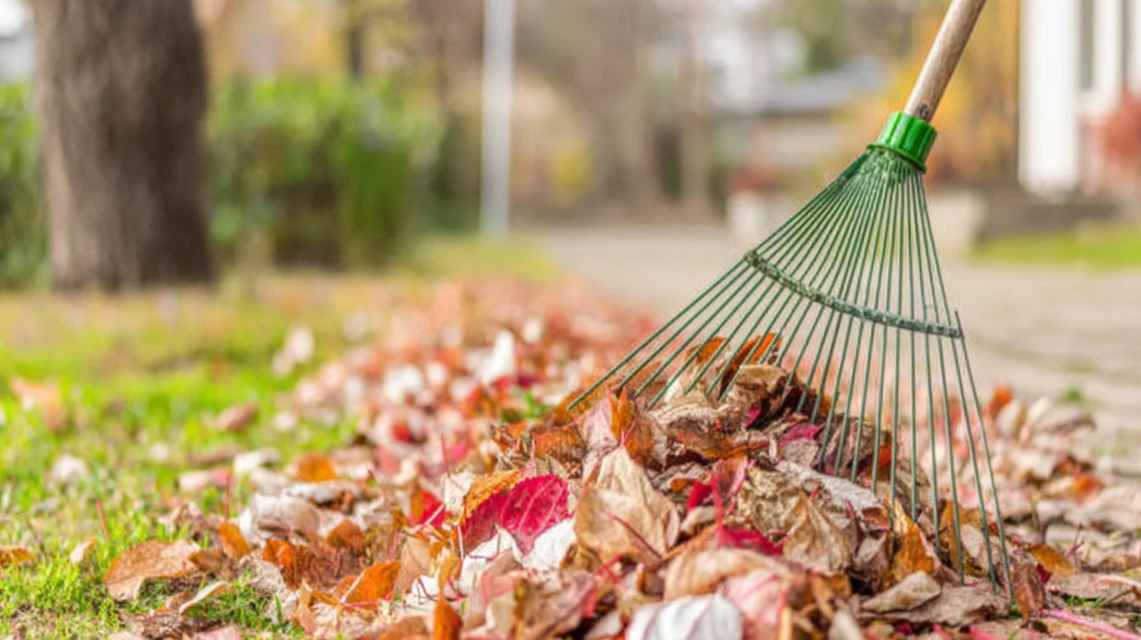
Below, each task tells you why it matters, how to do it well, and seasonal priorities based on how spring and fall environments affect lawns.
Debris such as sticks, dead leaves, and blown-in trash forms a barrier that blocks sunlight and air from reaching grass blades and soil.
When debris sits on turf for too long, it cuts off photosynthesis and traps moisture beneath. These conditions invite fungal diseases such as snow mold and other pathogens that thrive in wet layers.
How to do it:
Seasonal nuance:
After repeated weather events, grass blades and older thatch (dead plant material) can lie flat against the soil surface. When grass is matted, air and light can't circulate properly. Thatch layers thicker than about one-half inch can inhibit water and nutrient movement into the soil.
How to do it:
Local smart move: Buffalo soils often stay moist longer into spring, so wait until the ground is firm before heavy raking to avoid turf damage.
Edging isn't just cosmetic. Grass that creeps over sidewalks, driveways, and garden beds adds fuel to weed intrusion and makes mowing less predictable. Sharp edges improve definition and reduce how often you fight grass spill-over later.
This simple task contributes to a neater appearance and helps manage trimming tasks throughout the growing season.
How to do it:
Garden beds collect fallen organic debris, which can hide early weed seeds and give them a head start on growth. Heavy debris also creates damp pockets where fungal diseases can persist.
Clearing beds now reduces early competition for water and space once growth resumes.
How to do it:
Quick note: Late spring cold snaps can still hit transplanted plants, so avoid heavy mulch that traps cold near crowns.
Lawn cleanup isn't limited to grass. Shrubs, ornamental plants, and small trees often show winter damage that, left unaddressed, can reduce air circulation and increase disease risk.
Proper pruning guides new growth, removes stress points, and improves structure for long-term plant health.
How to do it:
Mulch helps with moisture regulation and suppresses weeds, but it can also trap moisture against stems and roots if spread too deeply. Excessive mulch acts like a sponge, slowing soil warming in spring and creating humid conditions that invite disease.
How to do it:
Fertilization supports spring green-up and fall root strengthening.
Cool-season grasses benefit from customized feeding schedules: light nitrogen in early spring helps with early growth, while a balanced fall application supports deeper root development and nutrient storage before winter dormancy.
How to do it:
Compacted soil limits the essential flow of air, water, and nutrients to the grassroots. Aeration, especially core aeration, removes soil plugs and reduces compaction, allowing grass to develop stronger roots and fill in bare spots.
How to do it:
Seasonal note: Early fall is generally the best time for cool-season grasses like those common around Buffalo, as conditions favor root recovery.
Water that pools around foundations, in low spots, or along edges doesn't just drown grass. It invites disease and slows soil warming in spring. Persistent moisture contributes to turf thinning, winterkill, and patchy growth.
How to do it:
Spring and fall cleanups aren't about checklists alone. Each task contributes to basic lawn functions: sunlight, airflow, nutrient flow, and soil support. Skipping one creates weak links that can undermine the others and make your lawn harder to care for later in the season.
The reward for a complete cleanup is fewer disease problems, stronger turf resilience, and better performance from supplemental care like mowing, fertilizing, or pest control when you get to them.
Suggested Read: Grass Treatment Guide 2025: Expert Lawn Care Tips for a Healthy, Green Yard
The difference between an average cleanup and an effective one often comes down to decision-making, not effort. These gaps recur during on-site walkthroughs and are easy to miss without a broader view of how lawns behave across seasons in Western New York.
After a long Buffalo winter, it's tempting to "fix everything" at once. Heavy raking, aggressive pruning, and early fertilizing may appear productive, but they can disrupt natural recovery cycles.
In the fall, the opposite happens.
Most problem areas in a lawn do not move. Thin grass near driveways, soggy patches at the bottom of slopes, and compacted areas along common walking paths tend to reappear in the same spots year after year.
Cleanup is often viewed as the end of a task. In practice, it works better as a setup phase.
Cleanup without follow-through solves short-term appearance problems but leaves long-term health unchanged.
Homeowners know their yards well, but familiarity can hide slow-developing issues. Subtle grade problems, recurring thin areas, or early signs of disease are easy to overlook when the goal is simply to "get it done.”
A professional walkthrough during spring and fall cleanups often catches:
That's where a free on-site consultation adds value. It turns seasonal cleanup from a routine task into a plan that actually supports long-term lawn health.
Seasonal cleanups in Buffalo are not one-size-fits-all. Soil stays wetter longer in spring, leaves fall fast in autumn, and timing can shift year to year. At Percy's Lawn Care, spring and fall cleanups are treated as part of a larger, year-round plan rather than isolated tasks.
Support goes beyond basic yard cleanup:
For homeowners who want spring and fall cleanups handled carefully and consistently, Percy's Lawn Care can be reached at (716) 245-5296 or hello@percyslawncare.com to schedule a consultation.
Spring and fall cleanups work best when they're planned, not rushed. Clearing debris before it accumulates, scheduling tasks based on soil conditions, addressing problem areas early, and preparing the lawn for the next season all reduce stress on turf and prevent recurring issues.
Small, timely steps now save weeks of catch-up later and help lawns recover faster from Buffalo's weather swings.
For homeowners who want consistency from one season to the next, Percy's Lawn Care has been supporting properties across Buffalo, Amherst, and Cheektowaga since 1999. With spring cleanups, fall cleanups, lawn maintenance, landscaping, and snow removal handled as a connected plan, yards stay healthier year-round.
If you want your lawn set up properly before the next season hits, reach out to Percy's Lawn Care for a free on-site consultation and a cleanup plan that fits your property.
Q. Can spring and fall cleanups help reduce lawn disease?
A. Yes. Removing debris, matted grass, and excess leaves improves airflow and reduces trapped moisture, both common triggers for fungal diseases such as snow mold and leaf spot. Cleanups also help lawns dry more evenly after rain or snowmelt.
Q. Is it better to do one large cleanup or several smaller ones?
A. Several lighter cleanups usually work better. Spreading the work out prevents heavy leaf mats, reduces soil compaction, and lowers stress on grass. It also makes it easier to spot drainage or thinning issues early.
Q. Should spring and fall cleanups be different for shaded yards?
A. Yes. Shaded lawns hold moisture longer and are more prone to thinning and disease. They often need gentler raking, closer attention to leaf removal, and careful timing to avoid working the soil when it's still soft.
Q. Do mature trees change how often fall cleanups are needed?
A. They do. Properties with large or multiple trees often need multiple fall cleanups to prevent leaves from piling up too quickly. Allowing heavy layers to remain too long can weaken turf and lead to patchy growth in spring.
Q. How do I know if my lawn needs professional help during seasonal cleanups?
A. If the same areas stay thin, soggy, or slow to recover every year, it's usually a sign of compaction, drainage, or soil issues. A professional assessment can determine whether cleanup alone is sufficient or whether follow-up care is needed.