For commercial property owners and managers in Western New York, winter isn't just cold. It's a season of operational challenges and legal responsibilities. Snow and ice on parking lots, drive lanes, and walkways increase the risk of slip‑and‑fall incidents.
In fact, over 70,000 snow‑ and ice‑related slip, trip, and fall injuries occur annually in the U.S., many of which are tied to winter conditions on commercial properties. Proper planning and execution of commercial snow removal are essential to reduce these risks and keep properties accessible and safe.
This blog offers proven ice and plow strategies for commercial snow removal. Whether you manage an office complex or an industrial site, the goal is the same: keep people safe, maintain access, and protect your property from winter's biggest threats.
When it comes to snow removal, commercial properties face a different set of challenges than residential homes. The difference isn't just in size; it's about complexity, timing, and liability.
Understanding these distinctions is key to ensuring that your commercial snow removal plan works effectively and minimizes risk.
Commercial properties are typically much larger and more complex than residential ones. Where residential snow removal usually involves a driveway and a walkway, commercial properties often have multiple entryways, loading docks, and employee walkways that all need to be cleared.
These areas need to be accessible quickly and safely for both employees and customers.
Managing these various zones requires specialized equipment and experience that residential snow removal typically doesn't need.
For residential snow removal, homeowners can often wait a few hours or even a day to clear snow without causing significant problems. For commercial properties, however, timing is critical. Many businesses depend on being fully operational during the winter months, and poor snow removal or delayed service can result in serious financial consequences.
In fact, even a one-hour delay in snow clearing can result in hazardous driving or walking conditions for customers, employees, and deliveries.
Perhaps the most significant difference between residential and commercial snow removal is the legal responsibility property managers face. Property owners have a duty to maintain safe conditions for visitors. Failure to properly manage snow and ice can lead to costly slip-and-fall lawsuits.
Understanding these differences helps ensure that commercial snow removal is approached with the proper level of planning, urgency, and legal compliance.
Also Read: Residential Snow Removal Pricing in 2025
Now, let's dive into the critical elements of a well-designed commercial snow and ice management plan that can keep your business open and customers safe throughout the winter season.

A well-structured snow and ice management plan is essential for commercial property owners who want to ensure safety, accessibility, and continuity of business operations during the winter months. By having a clear, pre-defined strategy in place, you can reduce risk, increase operational efficiency, and avoid costly accidents.
The first step in any commercial snow removal plan is to determine when and how snow removal will occur. This involves setting storm triggers, specific snow depths that trigger plowing, de-icing, and other actions.
Not all areas of a commercial property need to be treated equally. Identifying priority zones in advance will ensure the most important areas are cleared first, minimizing delays and reducing the risk of dangerous conditions.
Priority areas typically include:
You can use a site map to identify these key areas. This way, plowing teams can know exactly where to start, and property owners can ensure they are meeting local regulations regarding ADA accessibility and emergency access routes.
Snow removal is only part of the equation. Ice control is a critical aspect of any commercial snow removal plan. While plowing clears the snow, de-icing keeps surfaces safe and accessible.
Here are some key strategies:
Buffalo and the surrounding areas are no strangers to heavy snowfalls and overnight storms that leave businesses with hours of snow accumulation before they can clear it. For commercial snow removal to be effective, property managers need to plan for these scenarios by having both short-term and long-term strategies in place.
Clear communication with your snow removal service provider is crucial to ensure that expectations are met and response times are kept in check. Property managers should contact their snow removal team before the season starts to agree on protocols, response times, and emergency contact information.
In addition to good communication, documentation helps mitigate any potential liability issues:
Having a structured, proactive commercial snow and ice management plan reduces the risks that winter brings while ensuring your property stays operational and safe.
Now, let's explore the best practices for snow plowing and how to clear commercial lanes effectively during heavy snowfalls.
When it comes to commercial snow removal, snow plowing techniques are one of the most critical aspects. It's not just about moving snow; it's about doing it efficiently, keeping your property safe and accessible, and reducing long-term damage.
Proper plowing strategies can also reduce the risk of ice bonding and make clearing easier as the storm progresses.
Plowing before snow accumulates too much is key to keeping surfaces clear and safe. For commercial properties, it’s better to plow multiple times during the storm rather than waiting until the end.
When clearing wide open spaces, angle plowing is the most efficient method. This technique reduces the number of passes needed to clear an area, allowing for a quicker turnaround.
This method is especially useful where space is expensive, and the goal is to clear the area as quickly and effectively as possible. Using GPS tracking in conjunction with plowing operations enables real-time updates and improved route efficiency.
Parking areas are often filled with obstacles, including curbs, light poles, dumpsters, and vehicles. Effective plowing requires proper maneuvering to avoid damaging these items and to ensure that no snow piles block critical access points.
Here's how it's done:
With the right strategies and services, these commercial spaces can be cleared efficiently, safely, and legally.
Percy's Lawn Care specializes in efficient snow plowing and removal, ensuring quick, effective service during even the heaviest snowfalls. Reach out for a specialized snow removal solution that meets your property's specific needs.
Next, let's understand legal responsibilities for commercial snow removal to ensure your business stays compliant and protected from liability.
Commercial snow removal isn't just a maintenance task. It's a safety and legal obligation for property owners and managers. Ice and untreated snow significantly increase the risk of slip‑and‑fall injuries, which can result in expensive claims, liability exposure, and operational disruption if not managed properly.
Because of these hazards, businesses have a heightened duty to keep their properties safe and accessible throughout winter.
Under New York's premises liability standards, commercial property owners (and often managers or tenants with maintenance duties) must maintain reasonably safe conditions on their sites, including walkways and entryways.
Property owners can be held liable if people slip and fall on untreated snow or ice that could have been reasonably managed.
New York courts often consider:
Failing to take timely action can expose businesses to premises liability claims, costly compensation payouts, and legal fees.
Additionally, documentation is your best defense. In the event of a slip‑and‑fall incident, having clear documentation of snow removal efforts can protect your business:
These records show that you took reasonable and proactive steps to maintain safety, which is critical if liability is challenged.
Selecting the right commercial snow clearing provider can make all the difference in ensuring safety, efficiency, and compliance throughout the winter season.
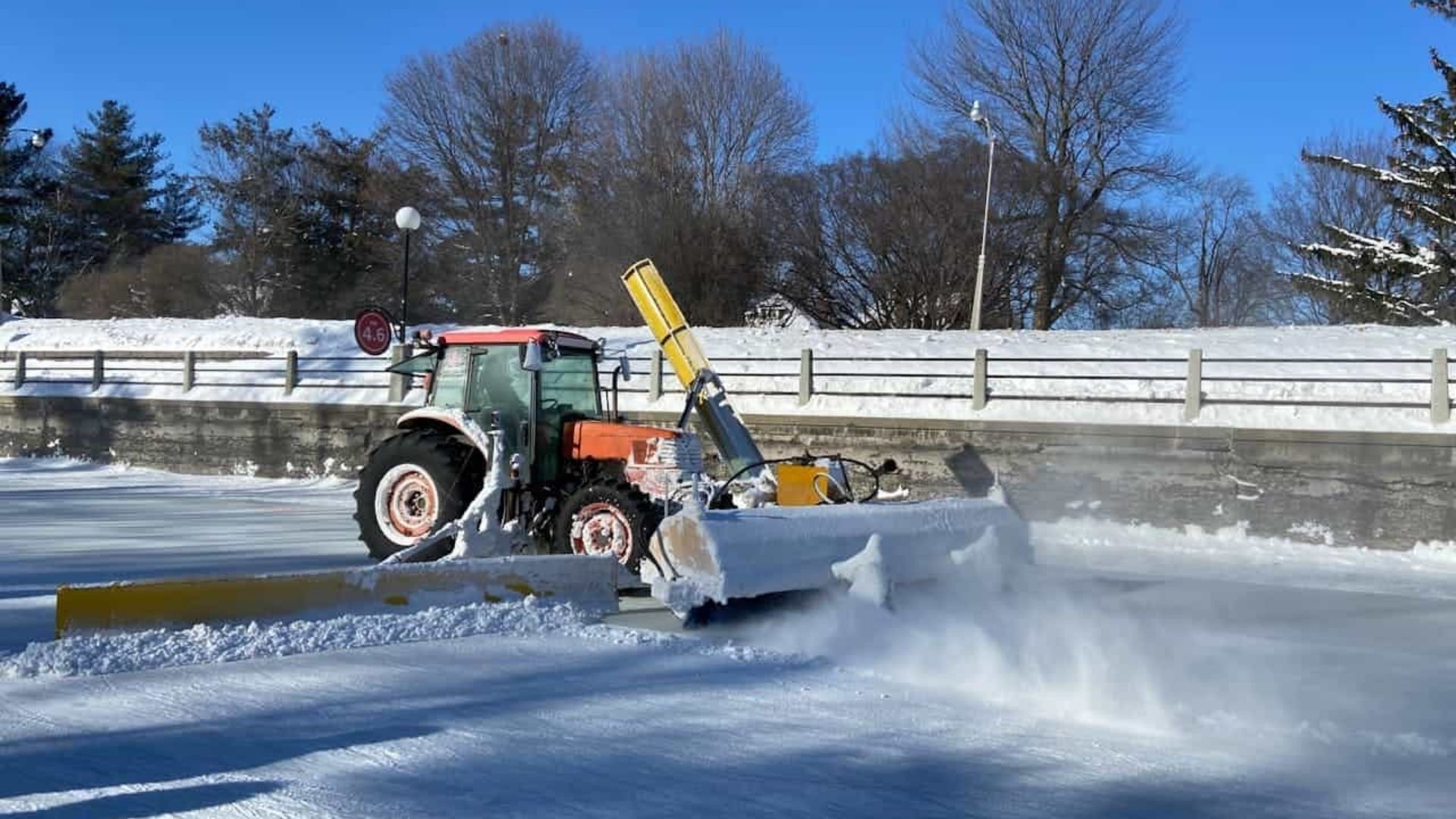
A good snow removal company not only clears snow but also provides strategic, timely, and safe services. This can help protect your business from accidents, liability claims, and operational disruptions.
Commercial snow removal is far more complex than residential service, requiring specialized equipment, experienced personnel, and a deep understanding of snow and ice management.
Here's what you should expect:
A well-defined contract sets expectations and provides peace of mind. When evaluating snow removal services, make sure the contract includes:
A no-response clause should be in place for situations where services aren’t met, protecting you from financial loss. Without these details, you could face significant operational disruptions and safety concerns, as snow may not be cleared promptly enough.
When selecting a snow removal provider, experience and local knowledge matter. It's not just about having the equipment; it's also about understanding local weather patterns, street layouts, and high-traffic zones.
Providers with years of experience in your geographic area will know how to handle the frequent challenges presented by Buffalo's harsh winters, such as lake-effect snow and fluctuating temperatures.
Check the company's reputation through:
Companies with proven experience in commercial snow removal will have systems in place to ensure snow is cleared efficiently, and they will be prepared for sudden storms that require quick responses.
The best companies will keep you informed with real-time updates and use weather tracking systems to anticipate storms.
Here's what communication should look like:
Weather monitoring is also crucial for proactive service. Using apps or web-based platforms to track storm forecasts helps providers act before conditions get dangerous.
Not every commercial property is the same. Depending on the layout of your lot, the type of business, and the frequency of snowfalls, you may require customized snow removal plans.
For example, retail centers may require higher levels of service during peak business hours, while office complexes may have less foot traffic but larger parking lots to clear.
Ensure your snow removal service offers:
By partnering with a provider that customizes its approach, you'll ensure snow and ice are removed where and when they're most needed.
Let's look at how Percy's Lawn Care can help your business stay protected this winter with tailored snow removal solutions that meet your specific needs.
Winter demands strategic planning and precision execution. At Percy's Lawn Care, these values guide every service, from snow removal to year-round property maintenance.
As a family-owned business serving Western New York since 1999, Percy's understands the unique challenges that Buffalo's winter weather presents for commercial properties, including walkways and emergency routes.
Support for commercial properties extends far beyond just snow plowing:
For customized winter snow and ice management, Percy's Lawn Care offers a free on-site consultation at (716) 245-5296 or hello@percyslawncare.com.
When it comes to commercial snow removal, timely and efficient service is critical to your property's safety, accessibility, and legal compliance. Having a well-structured snow removal plan in place can prevent costly slip‑and‑fall incidents, legal risks, and operational disruptions.
By partnering with a reliable snow removal service that understands your business's unique needs, you can ensure that your property remains safe, accessible, and compliant throughout the winter months.
Percy's Lawn Care has been helping commercial properties across Buffalo, Amherst, and Cheektowaga since 1999, delivering customized snow and ice management solutions to keep your business running smoothly, even during the harshest weather.
Don't wait for winter's first storm. Reach out to Percy's Lawn Care today to discuss a custom snow removal plan tailored to your business.
Q. How often should commercial snowplowing services be performed during a storm?
A. Commercial snow plowing is most effective when done progressively during a storm, not just after it ends. Most professional plans include multiple passes as snow accumulates to prevent ice bonding and maintain safe conditions throughout the event.
Q. What equipment should a quality commercial snow removal company use?
A. A professional team should use heavy‑duty plows, skid loaders, snow blowers, and de‑icing spreaders sized for your property. Backup equipment and well‑maintained machines help ensure uninterrupted service during heavy snowfalls.
Q. Does a commercial snow removal contract include ice control automatically?
A. Not always. Some contracts cover only plowing by default. Ice control (anti‑icing and de‑icing) is typically included when specified up front or added as a clause, since it requires different materials and timing to keep surfaces safe.
Q. How can I confirm my snow removal provider will respond quickly during sudden storms?
A. Ask about response guarantees, average response times, emergency protocols, and how they monitor weather forecasts in real time. Providers should communicate dispatch plans before and during storms to keep your property safe.
Q. What should I look for in the communication and documentation from a snow removal service?
A. A reliable contractor should offer pre‑storm alerts, updates on completed work, and clear documentation of services (logs, timestamps, objectives). This helps protect against liability and ensures expectations are met.