If you’re looking for a tough, low-maintenance lawn that can handle heat, drought, and poor soil conditions, Bahia grass stands out as a reliable choice. Known for its deep root system and exceptional resilience, this warm-season grass grows where many other lawn types struggle, making it especially popular in warm, sandy regions.
Originally native to South America, Bahia grass was introduced to the United States in 1914 as a pasture grass. Over time, its durability and ability to grow in nutrient-poor soils made it a practical option not just for grazing land and roadsides, but also for homeowners seeking a hardy, functional lawn.
In this article, you’ll learn how to grow, maintain, and get the best performance out of Bahia grass year-round.
Bahia grass (Paspalum notatum) is originally native to South America; it has adapted well to hot, humid climates and is widely used across the southern United States.
One of its defining characteristics is its growth habit. Bahia grass spreads through stolons, above-ground stems that creep along the soil surface and root at intervals. While it establishes more slowly than some turfgrasses, this spreading mechanism helps it form a tough, wear-resistant lawn over time.
Bahia grass performs best in regions like the Deep South, Gulf Coast, and Southeastern United States, where sandy soils, high temperatures, and periodic drought are common. Its deep root system allows it to access moisture far below the surface, making it far more drought-tolerant than many traditional lawn grasses.
Bahia was primarily used for grazing due to its hardiness and low input requirements. Over the years, homeowners began adopting it for residential lawns, especially in areas where maintaining high-maintenance turf was impractical.
Today, it’s a go-to choice for those who prioritize function, resilience, and low upkeep over a perfectly manicured appearance.
There are several Bahia grass varieties, each suited for different conditions:
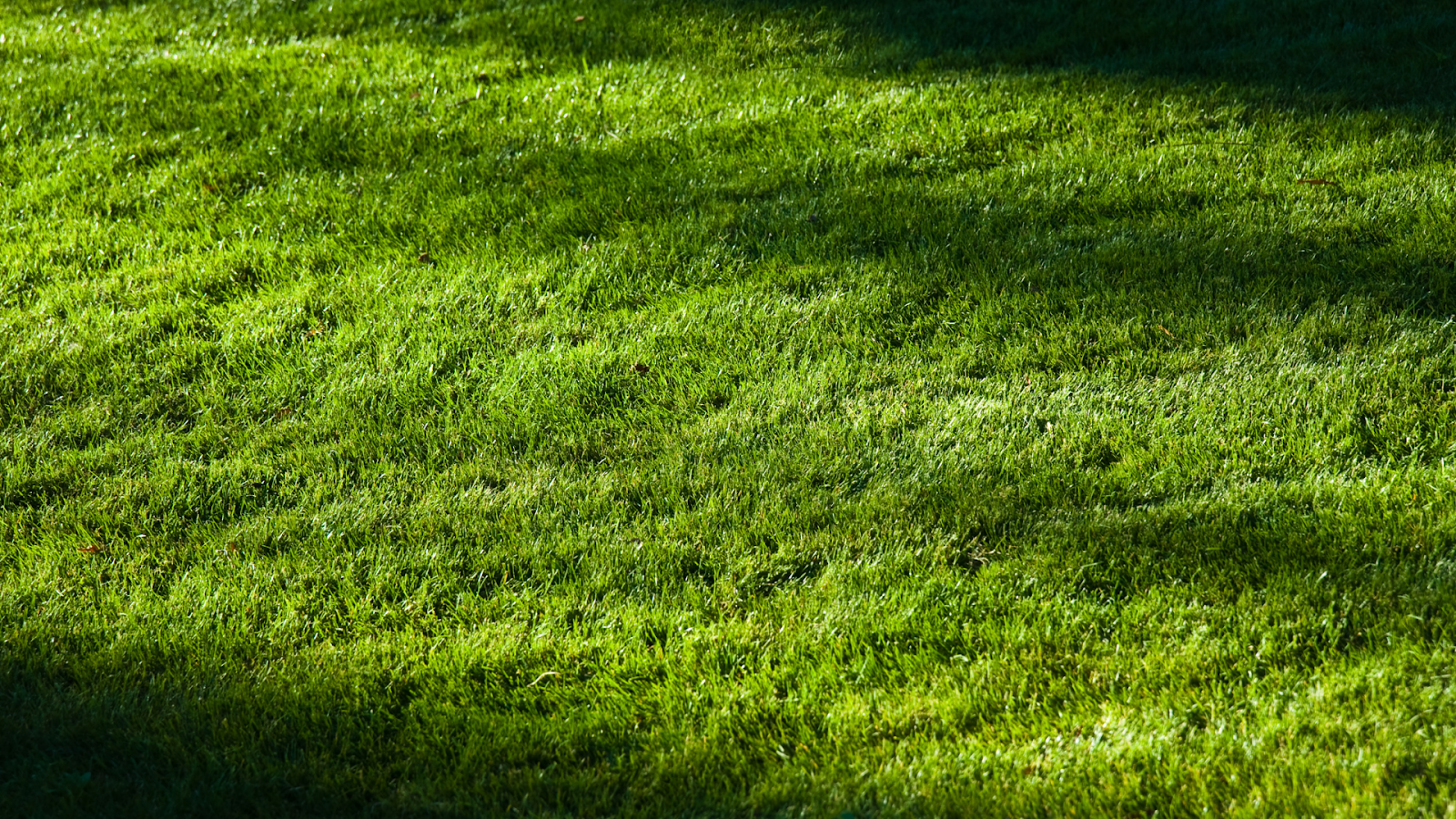
Bahia grass is an excellent choice if you are looking for a lawn that requires minimal maintenance, tolerates heat and drought, and grows well in poor soil conditions. However, it may not be ideal for everyone. Consider Bahia grass if:
While Bahia grass is tough and reliable, it does come with a few trade-offs:
Understanding these pros and cons will help you decide if Bahia grass aligns with your lawn goals. If you value resilience and simplicity over high-end aesthetics, it can be an excellent long-term choice.
Also read: Growing Grass in Shaded Lawn Areas: Tips and Solutions
Establishing a healthy Bahia grass lawn starts with proper timing and preparation. While it’s known for being hardy, following the right steps early on ensures faster establishment and better long-term results.
Bahia grass should be planted in late spring to early summer when soil temperatures consistently reach 65–70°F (18–21°C). Warm soil promotes quicker germination and strong root development, giving your lawn a solid start.
Proper soil prep makes a big difference in how well your grass establishes:
For even coverage and healthy growth:
To understand watering during germination in detail, read: Best Watering Schedule for New Grass Seed (Week-by-Week Guide)
Choosing the right fertilizer is essential for maintaining a healthy Bahia grass lawn without overfeeding it.
Bahia grass responds best to a balanced fertilizer such as 16-4-8 (NPK). This ratio provides:
Application Tips:
Also Read: Optimal Height for Cutting Grass Across Seasons
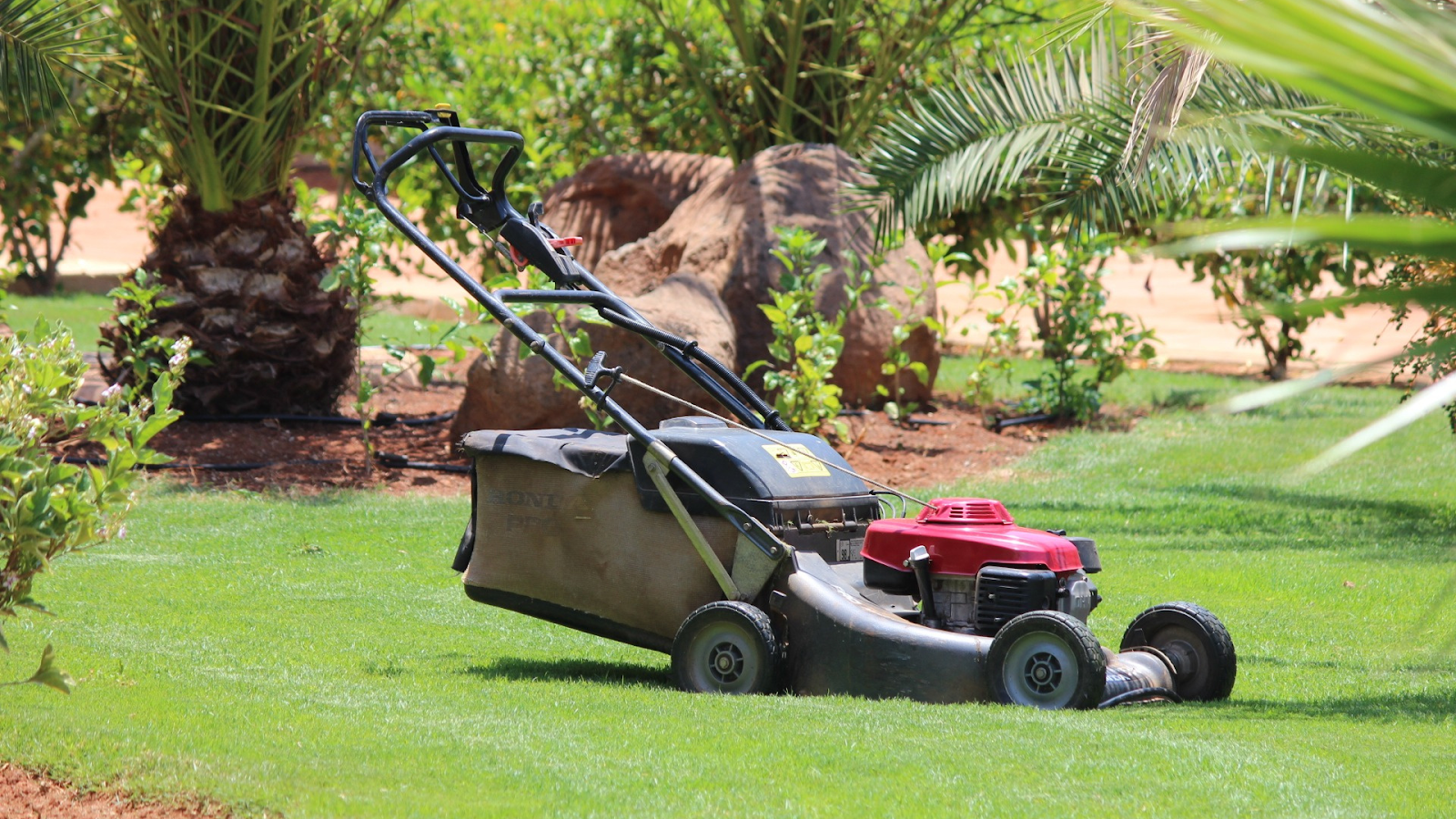
While Bahia grass is low maintenance, it still requires some care to stay healthy. Follow these essential maintenance practices:
A well-timed maintenance routine is key to keeping your Bahia grass lawn healthy year-round. While it’s a low-maintenance grass, following a seasonal schedule helps maximize its performance and appearance.
Like all warm-season grasses, Bahia grass goes through a natural dormancy period during cooler months. Understanding this cycle helps set the right expectations and prevents unnecessary concern about your lawn’s appearance.
As temperatures drop, Bahia grass slows its growth and gradually turns a brownish-tan color. This is completely normal and doesn’t mean the grass is dead. During dormancy, the grass conserves energy in its deep root system, preparing to regrow when warmer conditions return.
Both Bahia and Bermuda grasses go dormant in winter, but Bahia often has a slight advantage when it comes to spring recovery. It typically greens up earlier than Bermuda grass, especially in regions with mild winters. However, Bermuda tends to form a denser, more vibrant lawn once fully active in peak season.
If you prefer a green lawn even during winter, overseeding is a practical solution. In early fall, you can overseed Bahia grass with cool-season grasses like ryegrass. This temporary grass grows during the cooler months, maintaining a green appearance while Bahia remains dormant.
Keep in mind:
Despite its resilience, Bahia grass can encounter some challenges. Here are the most common issues and how to address them:
1. Thinning Turf: Often caused by poor soil fertility or compaction.
Solution: Aerate the soil and apply a balanced fertilizer.
2. Weed Invasion: Bahia grass is not as dense as other grasses, making it susceptible to weeds.
Solution: Use pre-emergent herbicides and mow regularly.
3. Pest Damage: Mole crickets and armyworms can harm Bahia grass.
Solution: Apply insecticides if pest activity is detected.
4. Mole Cricket Damage: Mole crickets tunnel through the soil, damaging roots and causing grass to dry out and die in patches.
Solution: Use targeted insecticides or biological controls when activity is detected, especially during warmer months.
5. Dollar Spot Disease: This fungal disease appears as small, circular brown spots, especially in humid conditions or low-nitrogen soils.
Solution: Improve airflow, avoid overwatering, and apply a light nitrogen fertilizer to strengthen the turf.
6. Iron Chlorosis (Yellowing Grass): Bahia grass yellowing is often caused by iron deficiency, especially in soils that are too alkaline.
Solution: Apply iron supplements or foliar sprays and monitor soil conditions to restore healthy color.
7. Armyworms and Other Pests: Armyworms can quickly chew through large sections of grass, leaving behind brown, damaged areas.
Solution: Monitor regularly during peak season and treat promptly with appropriate insect control if infestation appears.
8. Scalping from Mowing: Cutting too low weakens the grass.
Solution: Always mow at the recommended 3-4 inch height.
If you’re looking for a tough, drought-resistant grass that grows with minimal upkeep, Bahia grass is an excellent choice. With proper care and maintenance, it can provide a durable, long-lasting lawn that stands up to the elements.
At Percy’s Lawn Care, we offer expert lawn care services. We provide expert lawn maintenance services to ensure your lawn stays in top condition. If you need seasonal care, pest management, or routine upkeep, our team is here to help. Contact us today for a free consultation, and let us take the hassle out of lawn maintenance!
1. Does Bahia grass make a good lawn?
Yes, Bahia grass makes a good lawn if you prioritize durability and low maintenance. It thrives in hot climates, tolerates drought well, and grows in poor soils where other grasses struggle. However, it has a coarser texture and lighter color, so it may not suit homeowners looking for a lush, high-end appearance.
2. Does Bahia grass come back every year?
Yes, Bahia grass is a perennial warm-season grass, meaning it comes back every year. While it turns brown and goes dormant during winter, it regrows from its deep root system once temperatures rise in spring.
3. What are the cons of Bahia grass?
Bahia grass has a few drawbacks to consider:
4. Does Bahia grass spread quickly?
Bahia grass spreads through above-ground stems called stolons, but it is not considered a fast-spreading grass. It establishes more slowly than grasses like Bermuda, but over time it forms a tough, durable lawn with good wear resistance.
5. Does Bahia grass spread on its own?
Yes, Bahia grass spreads through underground rhizomes and above-ground stolons, but it does not grow as aggressively as Bermuda grass.
6. Can Bahia grass survive in shade?
No, Bahia grass grows in full sun and struggles in shaded areas.
7. How often should I fertilize Bahia grass?
Apply fertilizer twice a year, once in spring and once in late summer.
8. Why is my Bahia grass turning yellow?
Bahia grass yellowing is commonly caused by iron deficiency, especially in soils that are too alkaline. Other possible reasons include overwatering, poor drainage, or a lack of essential nutrients like nitrogen. Unlike winter dormancy, which causes uniform browning, yellowing usually appears uneven across the lawn. Conducting a soil test can help identify the exact issue and guide the right treatment.
9. Bahia grass vs Bermuda which is better?
The better choice depends on your lawn priorities and growing conditions. Bahia grass is ideal for low-maintenance lawns, as it tolerates drought, poor soil, and requires less fertilization. Bermuda grass, on the other hand, offers a finer texture, denser growth, and a more polished appearance but needs more frequent mowing, watering, and care. If durability and minimal upkeep are your goals, Bahia is a strong option; for a more manicured look, Bermuda may be the better fit.
10. Does Bahia grass need lime?
Bahia grass typically does not need lime unless the soil is too acidic. It naturally thrives in slightly acidic conditions, with an optimal soil pH between 5.5 and 6.5. Adding lime is only necessary if a soil test shows the pH is below this range. Applying lime without testing can disrupt nutrient balance and negatively affect growth.
11. How to overseed Bahia grass?
To overseed Bahia grass, plant a cool-season grass like ryegrass in early fall when temperatures begin to drop. Start by mowing the lawn shorter than usual and removing excess debris to improve seed-to-soil contact. Spread the seed evenly, water lightly but consistently until germination, and maintain regular mowing during the cooler months. As temperatures rise in spring, the overseeded grass will fade, allowing Bahia grass to regain dominance.