For many homeowners in Buffalo, Amherst, and Cheektowaga, the end of winter doesn't always mean the end of lawn care work. Even though snow acts as a protective blanket for cool-season grasses, it can also hide issues that affect lawn health once it melts. Snow that sits for long periods increases the risk of fungal problems like snow mold and can leave behind compacted soil or hidden debris that slows spring recovery.
While a healthy snow cover can shield turf from the cold, melting snow also brings challenges that many homeowners overlook. Salt runoff from driveways and sidewalks, for example, can deprive soil of moisture and nutrients right at the root zone, delaying green-up and new growth.
This blog provides a practical post-snow lawn care routine tailored to the Western New York climate. You'll find quick, actionable steps for what to do immediately after melting, how to inspect your lawn for winter stress, and the most effective ways to prepare for the growing season ahead.
To start with, a quick inspection sets the direction for everything that follows.
Before raking, seeding, or fertilizing, take 10 minutes to see what winter actually did to your lawn. This quick walkthrough helps you avoid guesswork and prevents fixing the wrong problem first. Many spring lawn issues in Western New York come from compaction, salt exposure, or trapped moisture, not a lack of fertilizer.
Walk your property slowly and scan for these common post-snow issues:
Catching these problems early is the foundation of an effective post-snow lawn care routine.
If you're seeing these issues during your inspection, those patterns usually don't fix themselves. Percy's Lawn Care offers free on-site consultations to help identify what winter left behind and which areas need attention before spring growth starts.
Next up, let's cover what to do in the first 24 to 48 hours after the snow melts, so small problems don't turn into season-long setbacks.
The window right after the snow melts is when many lawns take the most damage. Grass is still dormant or just beginning to wake up, soil is soft, and mistakes made here can linger well into summer. This is where a few smart, low-effort moves make a real difference.
These steps focus on damage control, not perfection.
Large snow piles left by plows or snow blowers melt slowly, smothering the grass beneath. As soon as temperatures allow:
In Buffalo neighborhoods, driveway edges and mailbox zones are the most common problem areas.
Deicing materials do not disappear when the snow melts. Salt buildup reduces water uptake and disrupts soil nutrient balance, delaying spring green-up.
Do this early:
This one step alone can prevent weeks of recovery delay along lawn borders.
Wet soil compacts easily. Walking or rolling equipment across it presses air pockets out of the root zone, slowing growth and encouraging thinning.
For the first day or two after the melt:
Compaction created now often leads to aeration needs later in the season.
If you want more guidance on protecting turf during freeze-thaw cycles, Percy's winter grass care tips for Western New York explain how small habits during snow season affect spring recovery.
Once the ground firms up, you can move from quick fixes into a full post-snow lawn care routine. The next section walks through that process step by step, with timing that can actually work in Western New York conditions.
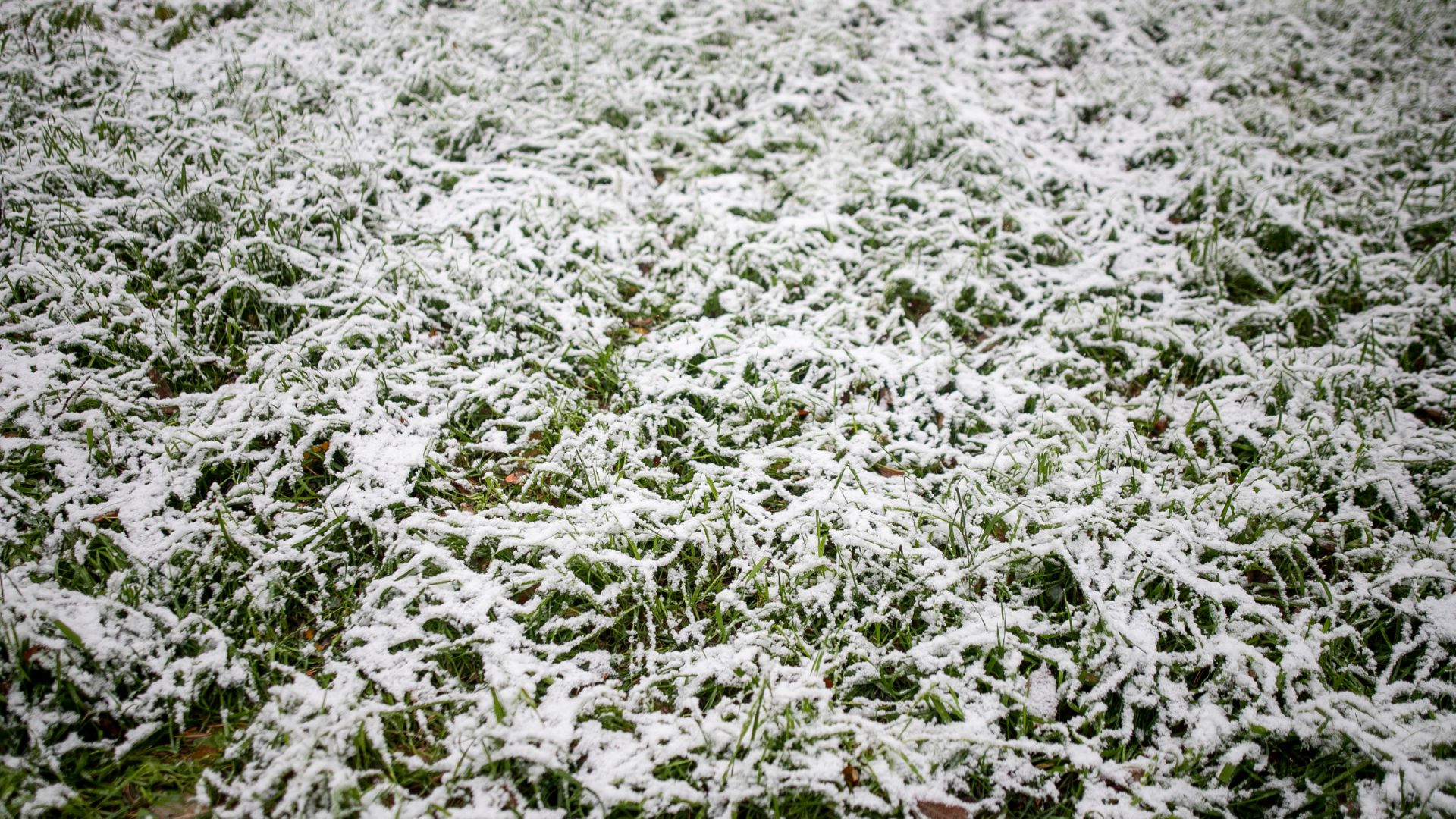
Once the snow piles are gone and the ground starts to firm up, it's time to shift from quick fixes to a consistent routine. This post-snow lawn care routine is built around Western New York timing, where spring weather often swings between warm days and sudden cold snaps.
Follow the steps in order. Skipping ahead usually creates more work later.
Start with a light cleanup once the lawn is no longer soggy.
Aggressively raking too early can pull up grass crowns that are already stressed from winter.
Matted turf blocks airflow and traps moisture. Gently fluff these areas to help the grass dry out and recover.
The goal here is recovery, not forcing growth.
Spring puddles are a warning sign. If water sits after snowmelt, roots are already under stress.
Ignoring drainage now often leads to thin grass by early summer.
Compaction is common after winter foot traffic and plow activity.
A simple test:
In that case, plan for aeration once soil conditions are right. Aerating and overseeding at the correct time helps relieve compaction and encourages thicker growth where winter damage was worst.
If the grass hasn't bounced back after cleanup, spot repairs may be needed.
Spring temperatures in Buffalo can slow germination, so patience matters here.
One of the most common mistakes homeowners make is fertilizing too early.
Feeding at the right time supports steady root development instead of weak top growth.
Your first mow sets the tone for the season.
A careful first cut helps the lawn recover evenly and reduces stress heading into spring.
This routine forms the base of a reliable spring clean-up after snow. Next, let's look at lawn care before and after snowfall, and how small seasonal habits can prevent much of this damage in the first place.
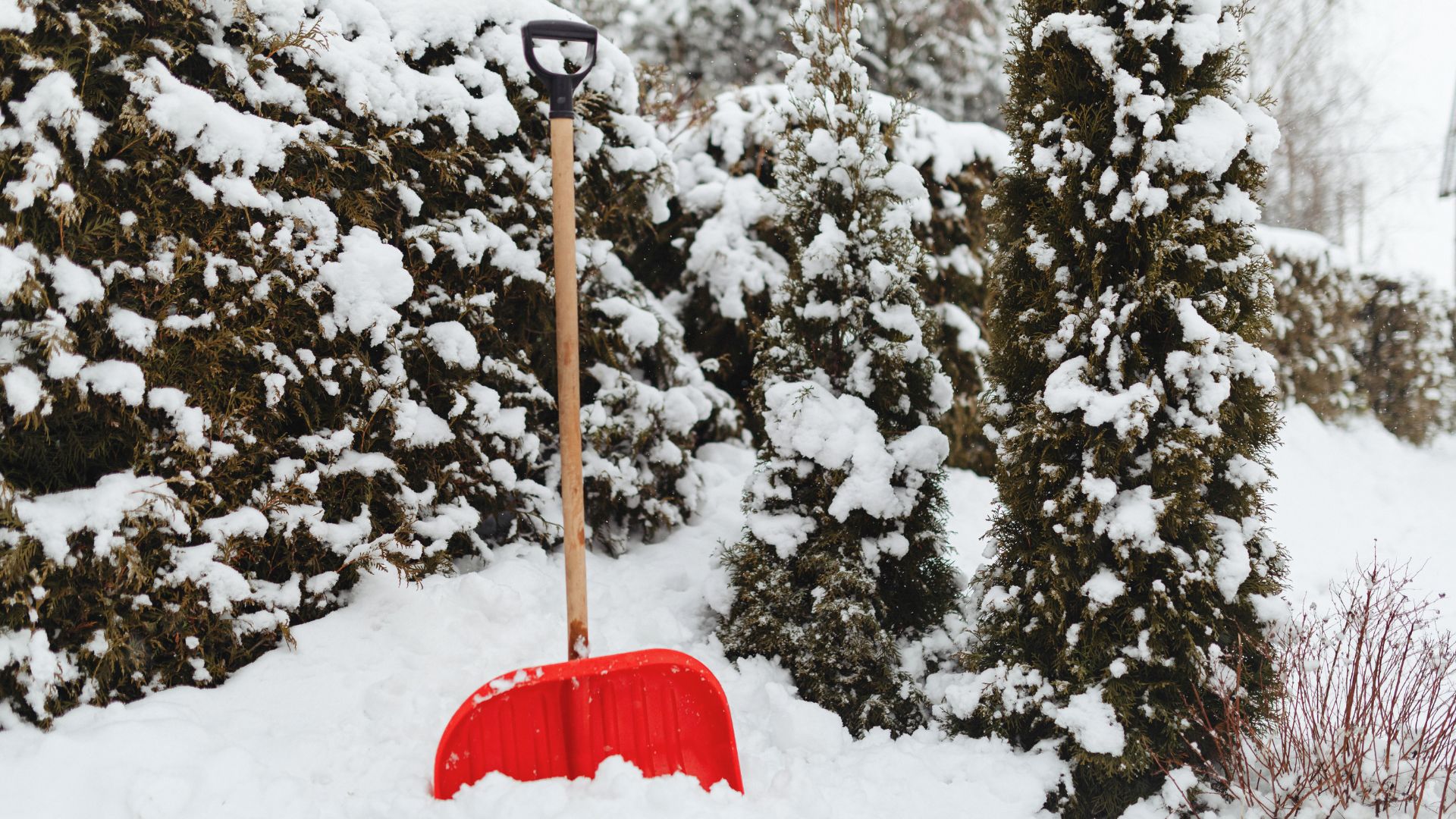
A strong post-snow lawn care routine does not start in spring. What happens before and during snowfall plays a big role in how much repair your lawn needs once the snow melts. Many of the worst spring problems in Buffalo lawns come from avoidable winter habits.
A little preparation before winter weather hits can save weeks of recovery time later.
What you do after clearing the snow matters just as much.
These before-and-after snowfall habits reduce the need for quick lawn fixes after snowstorms and make spring lawn prep after snow far more manageable.
Suggested Read: A Guide to the Best Snow Plowing Techniques For Your Property
Up next, we'll cover when routine care is not enough and how to tell when it's time to bring in a professional.
Some winter damage is cosmetic and resolves with time and basic care. Other issues point to deeper problems that need a structured plan. Knowing the difference can save you money, effort, and frustration as the season progresses.
Here are clear signs that basic DIY steps may not be enough.
If large sections of the lawn remain thin, brown, or matted several weeks after snowmelt, the roots may be compromised.
Watch for:
These conditions often require aeration, overseeding, or soil correction rather than surface-level fixes.
Standing water after snowmelt is more than a seasonal inconvenience.
If puddles:
There may be grading or soil compaction issues underneath. These problems tend to worsen over time and can lead to thinning turf or moss growth if left unaddressed.
Light salt stress usually recovers with flushing and time. Severe damage does not.
Red flags include:
Correcting this often involves soil amendments, reseeding, and changes to runoff patterns.
Plow activity, repeated foot traffic, and freeze-thaw cycles can leave behind compacted soil that restricts root growth.
If:
Targeted aeration and recovery planning may be needed.
Spring lawn care after snow can feel overwhelming when weather conditions change week to week. If you find yourself guessing when to seed, fertilize, or aerate, professional guidance can help align timing with actual soil and turf conditions.
Once the need for a plan is clear, working with a local team that understands Western New York conditions can simplify the next steps.
Winter in Western New York does not end when the snow melts. The real impact shows up in early spring, when lawns reveal compaction, salt stress, drainage problems, and uneven growth. That is where planning and follow-through matter.
Percy's Lawn Care works with homeowners to manage the full cycle of winter impact, not just the visible damage.
Support goes beyond one-time fixes and focuses on long-term lawn health:
For homeowners who want a clear post-snow lawn care routine and a plan that carries through spring, Percy's Lawn Care offers free on-site consultations. You can reach the team at (716) 245-5296 or hello@percyslawncare.com to discuss next steps.
A solid post-snow lawn care routine is about timing and restraint, not rushing to fix things. Checking the lawn early, easing off wet turf, managing salt runoff, and following a clear step-by-step plan help grass recover without added stress. Small decisions made right after snowmelt often determine whether a lawn fills in evenly or struggles all season.
Percy's Lawn Care has helped homeowners across Buffalo, Amherst, and Cheektowaga manage winter damage and transition smoothly into spring since 1999. When your lawn needs more than guesswork after snowmelt, a clear plan makes all the difference.
Reach out to Percy's Lawn Care for a free on-site consultation and get your lawn back on track for the growing season. Call (716) 245-5296 or email hello@percyslawncare.com.
Q. How long does it take for a lawn to recover after the snow melts?
A. Recovery depends on snow cover duration, drainage, and soil compaction. In Western New York, most lawns begin to recover visibly within 2–4 weeks of consistent temperatures above freezing. Areas affected by salt or standing water may take longer without targeted care.
Q. Can snow damage permanently kill grass, or will it grow back?
A. Most cool-season grasses survive winter, but prolonged snow cover, heavy salt exposure, or severe compaction can weaken roots beyond recovery. If grass does not respond by mid to late spring, reseeding or soil correction is usually required.
Q. Is it normal for my lawn to look worse after the snow melts than before winter?
A. Yes. Snow often hides problems like compaction, debris buildup, and disease until thaw. Lawns frequently look their worst right after the melt, even if they were healthy in the fall. Early inspection helps prevent that initial damage from becoming long-term thinning.
Q. Should I water my lawn after the snow melts if it looks dry?
A. Usually no. Snowmelt provides deep moisture, and watering too early can oversaturate soil. Wait until the lawn shows active growth and the soil dries out several inches below the surface before resuming a regular watering schedule.
Q. Why does the grass near my driveway struggle every spring?
A. Driveway-edge grass is exposed to salt runoff, plow pile weight, and repeated freeze-thaw cycles. These conditions stress roots and alter soil structure. Without corrective steps, those areas often decline year after year rather than fully recovering.