For homeowners in Amherst, New York, winter isn't just a season. It's a period of preparation. Amherst and the surrounding Buffalo-area suburbs routinely see significant snowfall each winter.
Amherst typically receives between 80 and 100 inches of snow annually, making it one of the snowiest populated areas in the nation outside the higher elevations of the Tug Hill Plateau. This snow often arrives in bursts driven by lake-effect systems off Lake Erie, which can create deep accumulations in short periods.
Heavy snow and cold temperatures increase the risk of power outages, icy walkways, and travel disruptions, all of which call for thoughtful preparation before the first flakes fall.
This blog is to help homeowners know how to prepare for a snowstorm in Amherst, NY, in a way that reduces risk, minimizes disruption, and keeps your property and household safe and functional.
Buffalo-area winters are among the most challenging in the continental U.S., and Amherst shares in that reality. Amherst and nearby towns regularly see heavy lake-effect snow, where cold air passing over warmer lake water can produce rapid, intense snowfall rates of 6 to 7 inches per hour in the most extreme events.
These bursts can bury roads fast, reduce visibility, and overwhelm cleanup efforts if preparations are delayed. Additionally, these aren't just uncomfortable; they're also costly and disruptive.
For Amherst homeowners, this has a few immediate implications:
Because of these realities, prepping for a snowstorm in Amherst, NY, isn't just about shoveling snow. It's about planning your home, your property, and your household for storms that can arrive suddenly and disrupt daily life for days.
Also Read: A Guide to the Best Snow Plowing Techniques For Your Property
Knowing the risks is only useful if it leads to action. Explore some smart steps below, focusing on what Amherst homeowners should do before conditions change.
Preparing for a snowstorm is most effective when actions are taken before conditions deteriorate. Many winter-related injuries and emergencies happen not during the storm itself, but in the rush to prepare at the last minute or travel when conditions are already unsafe.
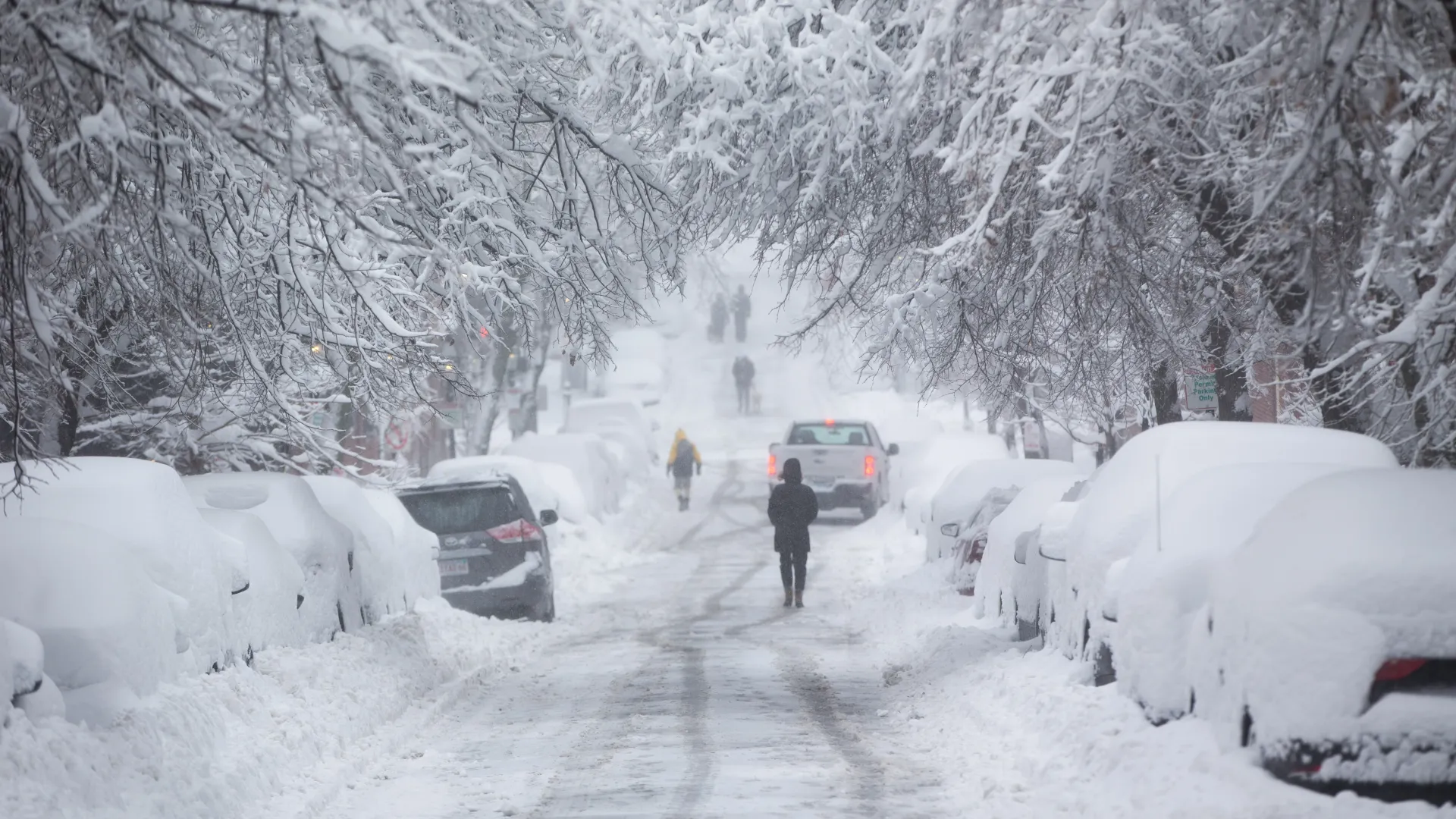
The steps below focus on timing, safety, and property readiness for Amherst winters.
Not all winter alerts mean the same thing, and misunderstanding them often leads to delayed preparation.
Act during the watch phase; do not wait for warnings, as snowfall rates during lake-effect events can quickly overwhelm roads and access points.
Winter storms can frequently cause power outages across New York State, especially during heavy snow combined with wind. Winter storms remain among the leading causes of multi-hour power interruptions.
Before a storm:
Plan for at least 72 hours without power during major winter events, especially in suburban areas where restoration may take longer.
Over-stocking creates clutter. Under-stocking creates stress. A smart winter kit focuses on essentials that support daily living during limited access.
Prioritize:
Households with pre-assembled kits will be less likely to make unsafe trips during storms.
Most winter injuries occur on residential properties, not highways. Slips and falls increase sharply after the first freeze when snow bonds to untreated surfaces.
Before snowfall:
Planning snow placement also matters. Piling snow near drains or walkways can lead to ice buildup and flooding during thaw periods.
Winter travel should always be optional during storms. Many winter-weather-related crashes can occur, and many occur during unnecessary travel.
If driving cannot be avoided:
If conditions worsen, staying put is often the safest decision.
If clear access is critical for deliveries, caregivers, or emergency services during outages, dependable snow-removal planning and smart steps become a part of home safety. Percy's Lawn Care helps homeowners keep driveways and walkways accessible during active storms.
Next, let's cover what to do during the storm itself, including simple habits that reduce injury risk and help keep your property accessible until clearing is complete.
Once a snowstorm is underway in Amherst, the goal shifts from preparation to risk management. Injuries can occur during the event and are usually linked to falls, carbon monoxide exposure, and unnecessary travel.
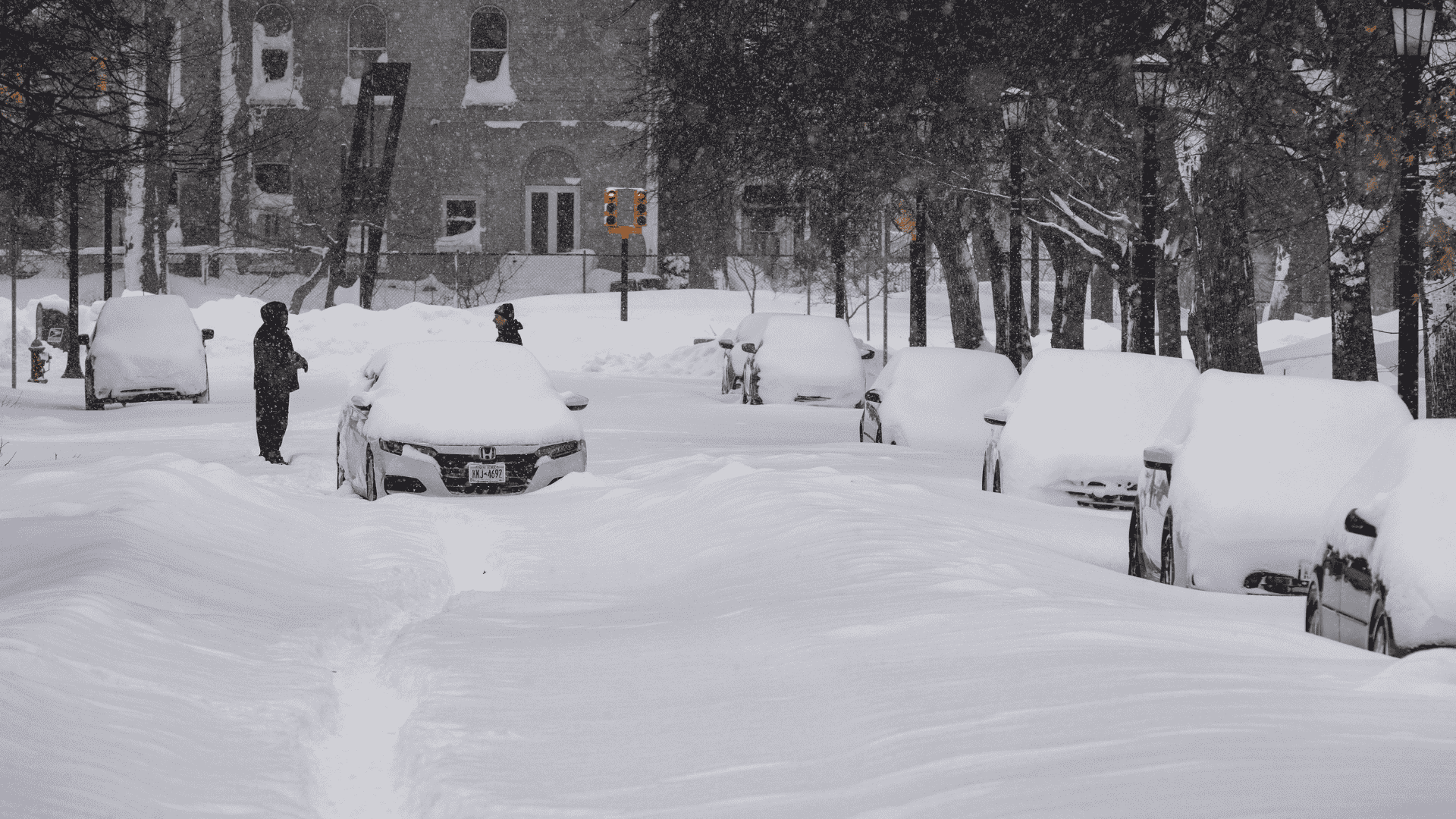
The actions below are designed to reduce those exact risks.
Lake-effect snow can intensify quickly, even when forecasts initially appear moderate. Visibility can drop to near zero in minutes, and road conditions often worsen faster than plows can respond.
What to do:
Shoveling-related injuries spike during winter storms. Safer approach:
Keeping paths partially clear during the storm also prevents snow from bonding to surfaces and refreezing into ice.
During heavy snowfall, exhaust vents for furnaces, dryers, and water heaters can become blocked without homeowners realizing it. This poses a serious risk of carbon monoxide.
Key steps:
Maintaining access is not about appearance; it's about safety.
Prioritize:
Severe winter storms often isolate households. Older adults, neighbors with limited mobility, and anyone relying on deliveries or caregivers may be more vulnerable.
When conditions allow:
Community-level awareness reduces strain on emergency response systems during prolonged storms.
During an Amherst snowstorm, conditions can remain hazardous for hours or even days. Focusing on limited movement, safe clearing habits, ventilation awareness, and access management reduces the most common winter-related injuries and emergencies.
Preparing for a snowstorm in Amherst is not just about reacting once snow starts falling. It requires planning for access, safety, and how winter conditions affect your property before, during, and after each storm.
At Percy's Lawn Care, winter services are built around anticipation and continuity, not last-minute clearing. As a family-owned company serving Amherst, Buffalo, Cheektowaga, and surrounding areas since 1999, the team understands how local snowfall patterns, road conditions, and freeze-thaw cycles affect driveways, walkways, and the long-term health of properties.
Support for homeowners includes:
For homeowners who want to prepare for snowstorms in Amherst with a clear plan instead of last-minute stress, Percy's Lawn Care offers free on-site consultations.
You can reach Percy's Lawn Care at (716) 245-5296 or hello@percyslawncare.com to discuss winter storm preparation or ongoing property care.
Snowstorms in Amherst are easier to handle when preparation is routine rather than reactive. Tracking alerts early, protecting heat and access, staging snow tools, and planning where snow will go all reduce risk once conditions change.
Small decisions made before and during each storm help prevent injuries, access issues, and damage that often show up weeks later. Percy's Lawn Care has helped homeowners across Amherst, Buffalo, and Cheektowaga manage winter conditions with steady snow removal and year-round property care.
For homeowners who want winter preparation handled consistently and with local experience, schedule a free on-site consultation to get started with confidence.
Q. How early should I start preparing once a snowstorm is in the forecast?
Ideally, preparation should begin 24–48 hours before expected snowfall, during a Winter Storm Watch. This gives you time to clear access points, stock essentials, and avoid last-minute trips once conditions worsen.
Q. How much snow typically causes road delays in Amherst neighborhoods?
Even 3 to 5 inches can slow travel on residential streets, especially during lake-effect events. Plowing schedules vary by road type, so side streets may remain snow-covered longer than main routes.
Q. What's the safest way to manage ice on walkways without damaging surfaces?
Applying ice melt before snow compacts is more effective than treating solid ice later. Using measured amounts and clearing snow early helps reduce refreezing and surface damage over time.
Q. Should I worry about roof and vent blockages during heavy snowstorms?
Yes. Heavy snowfall can block exhaust and intake vents, increasing the risk of carbon monoxide. It's important to periodically check and clear vents during prolonged storms when it’s safe to do so.
Q. When should I arrange snow removal services ahead of a storm?
It's best to schedule snow removal before winter begins, not when a storm is already approaching. Pre-arranged service ensures timely clearing during overnight or heavy snowfall events.