In northern climates like Buffalo and Western New York, snow mold isn't just a cosmetic lawn issue. It's one of the most common winter turf problems homeowners see each spring.
Snow mold fungi such as Typhula and Microdochium species thrive where snow cover lasts more than 60 days and soil temperatures hover near freezing, creating moist, low-airflow conditions that allow the disease to grow right beneath the snowpack.
In fact, snow mold is so widespread in cold regions that it once ranked #2 among turf diseases in importance to golf course superintendents in the Great Lakes area, including Buffalo's climate. If snow piles sit on your lawn for months and leaves or debris trap moisture through winter, the fungus can cause matted grass, delay green-up, or even thin your turf when spring arrives.
This guide explains exactly how to prevent lawn snow mold with seven proven steps you can use before snow starts to fall, plus what to do if you see mold damage after thaw.
Now, understanding snow mold starts with knowing why it shows up in the first place.
Snow mold develops when grass stays cold, wet, and covered for long periods, which is precisely what many Buffalo-area winters create. Snow mold fungi become active when soil temperatures sit just above freezing and moisture remains trapped under snow cover for weeks at a time.
Those conditions don't affect every part of a yard equally. Snow mold usually appears in the same high-risk areas year after year.
Snow mold rarely affects a lawn evenly. It usually shows up in predictable trouble spots:
If these areas show damage every spring, prevention needs to start before winter, not after the snow melts.
Also Read: How to Melt Snow on Your Lawn Safely?
Once you know where and why snow mold develops, prevention becomes far more straightforward. Let's explore the proper steps to reduce moisture and stress before winter sets in.
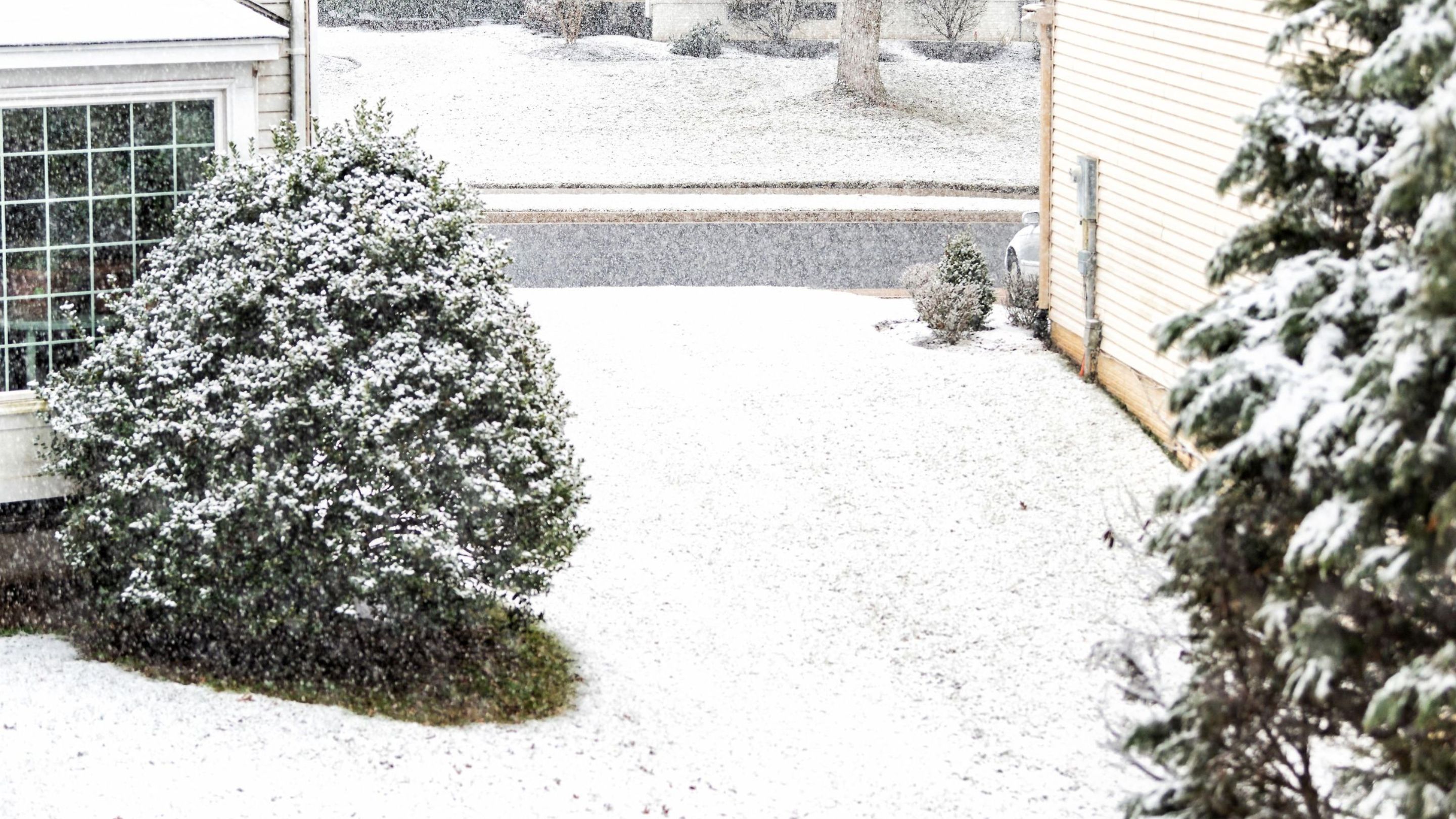
These steps showcase what consistently works for lawns that deal with long snow cover, freeze–thaw cycles, and heavy snow piles. Follow them in order, starting in early fall and continuing through winter.
Leaving leaves, sticks, or heavy clippings on the lawn is one of the fastest ways to create snow mold problems. Organic debris traps moisture and blocks airflow, creating a damp layer that stays active under snow for weeks.
What to do
This step alone can significantly reduce the chance of spring patching.
Grass that's too tall going into winter is more likely to mat down under snow, while grass cut too short becomes stressed and vulnerable.
Best practice
Proper mowing helps grass blades stand up better under snow and dry faster during thaws.
Thatch and compacted soil hold moisture near the surface, which creates the exact conditions snow mold needs to spread.
Why this matters
Addressing these issues in early fall improves airflow and drainage before snow arrives. Many homeowners schedule lawn maintenance, aeration, or dethatching as part of their fall maintenance plan to reduce the risk of winter disease.
Heavy nitrogen applications right before consistent snow can push soft, lush growth that mats easily and holds moisture.
What to keep in mind
A properly timed fall feeding supports root strength without encouraging vulnerable top growth.
Snow piles are among the most significant contributors to uneven spring snow mold damage. Turf buried under plowed snow often stays covered weeks longer than the rest of the yard.
Smarter snow placement
If snow removal is part of your routine, choosing a plan that considers lawn protection can reduce repeat damage year after year.
Water that pools during winter thaws keeps turf wet and cold, which increases disease pressure.
Simple improvements
Even minor drainage corrections can shorten how long the grass stays wet under melting snow.
Grass under snow is still vulnerable to physical stress.
What to avoid
Limiting stress helps grass recover faster once the snow melts and reduces spring thinning.
These seven steps work best when they're planned together, not treated as last-minute fixes.
If your lawn struggles with snow mold every spring, a customized winter prep plan can make a noticeable difference. Percy's Lawn Care offers free on-site consultations to identify risk areas and set up fall and winter maintenance that fits your property.

If snow mold shows up in spring, the goal is to dry the turf and reduce stress, not force fast growth. Most lawns recover well when handled early and carefully.
What to do first
What to avoid
Once the lawn firms up and temperatures rise, resume regular mowing and overseed thin areas if needed. If the same spots show damage every spring, snow placement or fall preparation usually needs adjustment.
Also Read: Snow Removal Guide: Best Tools, Techniques, and Safety Tips for Winter
Preventing snow mold takes more than a few fall chores. In Western New York, it requires planning, consistency, and an understanding of how long snow cover, drainage, and snow placement affect turf.
At Percy's Lawn Care, those details guide every service, from fall cleanup through winter snow removal and into spring recovery.
As a family-owned company serving Buffalo, Amherst, and Cheektowaga since 1999, the team understands how local winters impact lawns beneath the snow, not just surfaces above it.
Support goes beyond basic snow clearing and seasonal visits:
For homeowners looking to reduce spring snow mold damage and protect their lawn through winter, Percy's Lawn Care offers free on-site consultations to build a plan that fits the property. They can be reached at (716) 245-5296 or hello@percyslawncare.com.
Snow mold prevention works best when it's part of a seasonal routine, not a spring cleanup scramble. Clearing debris in the fall, setting the proper mowing height, managing snow placement, and protecting grass under snow all work together to reduce moisture buildup and turf stress through winter.
Small, well-timed steps before and during snowfall can make the difference between a healthy spring green-up and months of lawn repair.
Percy's Lawn Care has helped homeowners across Buffalo, Amherst, and Cheektowaga protect their lawns through brutal winters since 1999. With thoughtful planning, consistent service, and attention to detail, winter lawn damage becomes far easier to manage.
For help preparing your lawn before snow arrives or adjusting your winter plan, contact Percy's Lawn Care to schedule a free on-site consultation.
Q. Can snow mold kill my lawn permanently?
A. Snow mold rarely kills grass outright, but severe or repeated outbreaks can thin turf and delay spring green-up. Lawns usually recover if roots remain healthy, though damaged areas may need overseeding.
Q. Does snow mold spread from one lawn to another?
A. Snow mold does not spread the way weeds do. It develops based on local conditions like moisture, snow cover, and debris. Nearby lawns may show it at the same time due to similar winter conditions, not transmission.
Q. Should I apply fungicide every fall to prevent snow mold?
A. For most residential lawns, fungicides are not necessary. Proper fall cleanup, mowing, and snow management are usually enough. Fungicides are typically reserved for high-value turf with a known history of severe outbreaks.
Q. Is snow mold more common on certain grass types?
A. Yes. Cool-season grasses common in Western New York, such as Kentucky bluegrass and perennial ryegrass, are more prone when conditions are right. Lawn health and winter prep matter more than grass type alone.
Q. How long does it take for a lawn to recover from snow mold?
A. Mild cases often improve within a few weeks of warmer, drier weather. More noticeable damage may take most of the spring to fill in, especially in areas that stayed covered by snow piles.