Winter in New York does not just mean cold. It means packed sidewalks, blocked driveways, and constant decisions about when and how to clear snow. Many homeowners feel the pressure after every storm. Miss a pass with the shovel, and risks start to pile up. Do you know what you are legally responsible for after snowfall?
We understand how overwhelming and time-consuming snow removal can be for busy homeowners, especially when balancing safety concerns and legal responsibilities. For older adults in New York City, winter conditions contribute to about 30,500 emergency department visits each year due to falls. Snow and ice on walkways play a major role. Add to that the fact that Buffalo recorded 77.3 inches of snowfall during the 2024–2025 winter season, and the workload quickly feels endless. Are your snow removal habits protecting your home, or creating risk without you realizing it?
This is a practical guide for homeowners, not legal advice. In this blog, you will find clear, actionable tips to remove snow safely, reduce damage, and manage winter conditions with more confidence.
Before you pick up a shovel, there is one thing to get straight. It is not the snow that creates most winter problems; it is who is expected to deal with it.
Snow removal responsibility is not always obvious, but it affects your safety and liability after every storm. If someone slips on an uncleared surface, responsibility often falls on the property owner. Many homeowners assume leases or informal agreements fully transfer this duty, but that is rarely the case.
Here is how responsibility typically works in New York:
For NYC homeowners specifically:
Knowing this helps you reduce injury risk, avoid disputes, and make timely decisions after snowfall.
Snow removal timing matters because packed snow and refrozen meltwater turn walkways into hazards quickly. Clearing promptly protects you and others who use your sidewalks and driveways. This is about preventing injuries, not just meeting rules.
Many NYC homeowners follow these common clearing timelines after snowfall ends:
High-traffic sidewalks and corners should be cleared first to reduce risk.
Delays increase exposure. Slip-and-fall incidents remain among the most common winter injury claims in New York.
In Buffalo and surrounding towns, many properties stay on track through the winter by using scheduled snow service from Percy’s Lawn Care rather than scrambling after each storm.
Snow removal works best when you aim for safe access, not perfect surfaces. Sidewalks and paths are shared spaces used by pedestrians, delivery workers, and neighbors throughout the day. Clear, consistent walkways reduce slip risk even when snow continues to fall.
When clearing walkways, prioritize the following:
Where you place snow matters as much as removing it. Proper snow placement prevents refreezing, drainage issues, and blocked access points. Poor placement often creates new hazards after temperatures drop.
Use these placement guidelines after clearing:
After placement, watch for refreeze risks:
Also Read: Winter Grass Care: A Guide to Protect Your Lawn
Drainage and grading from earlier landscaping and cleanup work by Percy’s Lawn Care also affect how meltwater moves during winter storms.
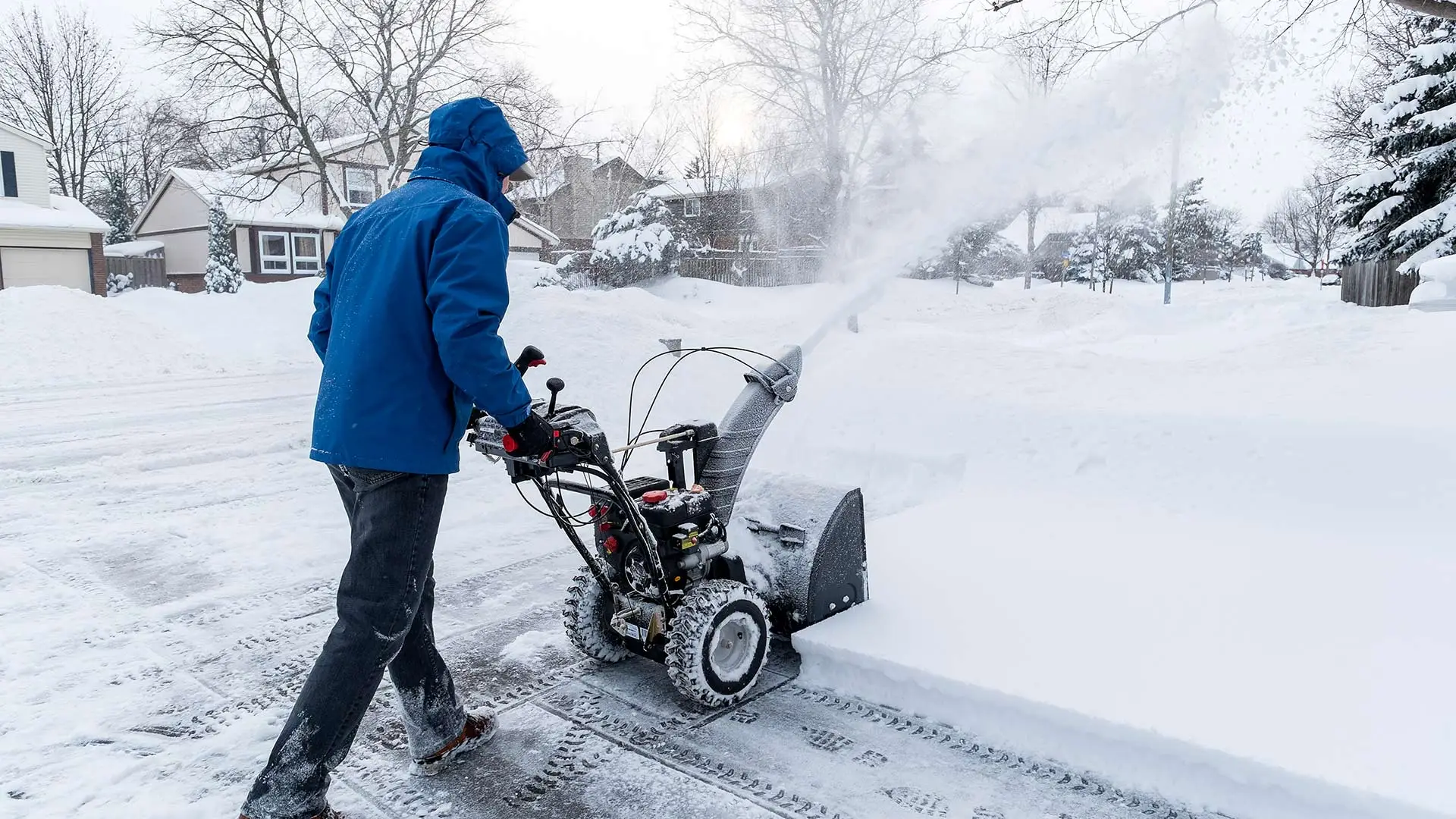
Fresh snow is lighter, looser, and far safer to handle than snow that has been walked or driven over. Waiting too long allows snow to compact and bond with the surface, which increases ice buildup and physical strain.
During active storms, follow a simple clearing rhythm:
Rushed snow removal often causes more damage than the storm itself. The wrong tools can scratch surfaces, loosen pavers, and weaken joints that fail later in winter.
Choose tools designed to protect hard surfaces:
Using the right tools helps preserve your driveway and reduces repair work after winter.
Also Read: Driveway Snow Plowing Guide
This is why Percy’s Lawn Care uses surface-safe plows and controlled blade heights to protect driveways and pavers during snow clearing.
Snow blowers save time, but improper use can damage pavers and joints in a single pass. Hard contact between the blower and the surface loosens joint material and chips edges, especially on decorative stone.
When using a snow blower on pavers, follow these practices:
After winter, check your hard surfaces:
Ice creates more slip risk than fresh snow, especially after refreezing overnight. Deicers help restore traction, but the wrong product damages surfaces and affects pets and plants.
Use safer ice control methods by following these guidelines:
Controlled use reduces damage while keeping walkways passable.
Ice looks solid, but attacking it with force causes lasting damage. Picks, chisels, and hammers transfer impact directly into concrete, pavers, and stone, which leads to cracks and loosened sections that worsen with freeze cycles.
Use safer ice control methods by following these guidelines:
Controlled use reduces damage while keeping walkways passable.
Also Read: Snow Removal Guide: Best Tools, Techniques, and Safety Tips for Winter
Snow removal does not stop at ground level. Roof edges and gutters play a major role in winter safety and structural protection. When gutters are blocked, melting snow refreezes at the roof edges and forms ice dams that trap water.
To reduce ice dam risk, focus on these areas:
Homes that stay on a regular fall cleanup and gutter schedule with Percy’s Lawn Care tend to see fewer ice dam issues later in winter.

After heavy snowfall, a quick visual check can prevent serious issues. You do not need to climb or use tools. You only need to know what looks off and when to stop.
Focus on these visible warning signs:
Also, keep basic safety systems clear:
If any condition looks unstable or out of reach, call a professional rather than attempting removal yourself.
Professional snow removal is about practicality and safety, not capability. Some winter conditions demand consistency and equipment that go beyond routine homeowner effort. Recognizing those moments helps protect your property and your health.
Professional support often makes sense when you face:
In situations like these, professional crews keep access points clear without added strain.
When managing winter access, also keep these points in mind:
Many Western New York homeowners rely on Percy’s Lawn Care for seasonal snow removal alongside lawn and property maintenance so winter access stays predictable.
All of these tips help you manage winter better, but storms do not always wait for perfect conditions. That is where a steady local team can make a real difference.
Winter demands consistency, planning, and attention to detail. At Percy’s Lawn Care, those values guide every service, from snow removal to year-round property care. As a family-owned company serving Western New York since 1999, the team understands how Buffalo winters affect driveways, sidewalks, and long-term property conditions.
Support for homeowners extends beyond just clearing snow:
For seasonal planning or snow service, Percy’s Lawn Care can be reached at (716) 245-5296 or hello@percyslawncare.com.
Snow removal works best when it becomes part of your routine, not a reaction to the next storm. Clearing early and often, keeping walkways wide and visible, using surface-safe tools, applying deicer before ice bonds, and watching rooflines, gutters, and vents all work together to reduce injuries and property damage. Small habits after every snowfall prevent larger problems later in the season.
Percy’s Lawn Care has supported homeowners across Buffalo, Amherst, and Cheektowaga since 1999 with reliable snow removal and year-round property care. When winter feels unpredictable, a steady plan brings peace of mind. Reach out to Percy’s Lawn Care to keep your property safe this winter and in great shape when the snow melts.
Q: Can snow piles along my fence affect drainage in spring?
A: Yes. Compacted snow along fences often redirects meltwater toward foundations and turf, increasing pooling and erosion as temperatures rise.
Q: How does foot traffic change how snow bonds to concrete?
A: Walking compresses snow into a dense layer that freezes harder. This makes removal more difficult and increases the chance of slick surfaces forming.
Q: Can winter snow removal affect soil health in my lawn?
A: Yes. Repeated snow piling can compact soil and block oxygen exchange, which weakens grass roots and delays recovery when spring arrives.
Q: Is it safe to use heated driveway mats during heavy snowfall?
A: They help reduce ice, but continuous use can create uneven melt patterns. This leads to refreezing at edges if drainage is not controlled.
Q: Does snow removal change how pests behave around my home?
A: Yes. Snow piles near walls can create insulated pockets where rodents shelter, increasing the chance of winter nesting near foundations.
Q: Can poor snow removal shorten the lifespan of concrete surfaces?
A: Yes. Repeated freeze and thaw from trapped moisture causes surface scaling, which weakens concrete and leads to early cracking.