A home's outdoor space is more than grass, plants, and walkways. It's where family gatherings happen, where kids play, and where neighbors take pride in their property's appearance. Understanding what is landscaping maintenance matters if you want a yard that stays healthy and attractive through ever-changing seasons.
Landscaping maintenance isn't just about mowing the lawn or trimming shrubs once in a while. Nationwide, maintenance services account for the largest share of the lawn care and landscaping market of around 92.1% of total service revenue. It's a clear sign that homeowners and property managers alike prioritize ongoing care over one-off fixes.
This blog will walk you through what landscaping maintenance entails, why each component matters, and how a strategic approach helps keep your yard healthy and functional year-round.
Landscaping maintenance is the ongoing care required to keep your lawn, planting beds, shrubs, and outdoor surfaces healthy, neat, and functional year-round. It combines routine tasks like mowing and weeding with seasonal work such as cleanups, pruning, and bed preparation.
For Buffalo homeowners, landscaping maintenance also means planning around long winters, heavy snowfall, spring thaw, and a compressed growing season. Without a consistent approach, small issues such as compacted soil, overgrown beds, or poor drainage can become recurring problems year after year.
In simple terms, landscaping maintenance is not a one-time service. It's a structured plan that protects your outdoor investment and keeps your property looking cared for in every season.
These terms are often used interchangeably, but they serve different purposes. Understanding the difference helps homeowners know what they're actually paying for and what may be missing from their current setup.
This focuses on ongoing care across the entire property, not just the grass. It typically includes:
This is the category that keeps everything working together over time.
Lawn care is more specific and turf-focused. It usually covers:
Lawn care supports grass health, but on its own, it does not address beds, shrubs, or the overall structure of the landscape.
Landscaping refers to design and installation work, not maintenance. This includes:
Landscaping creates the space. Landscaping maintenance is what keeps it looking good and functioning properly after installation.
If one or more of these components feel neglected on your property, it usually means the maintenance plan isn't complete. Percy's Lawn Care can assess turf health, beds, drainage, and seasonal needs during a free on-site visit and build a plan that covers all the essentials.
Next, let's break down the core components of landscaping maintenance, so you can clearly see what should be included and what often gets overlooked.
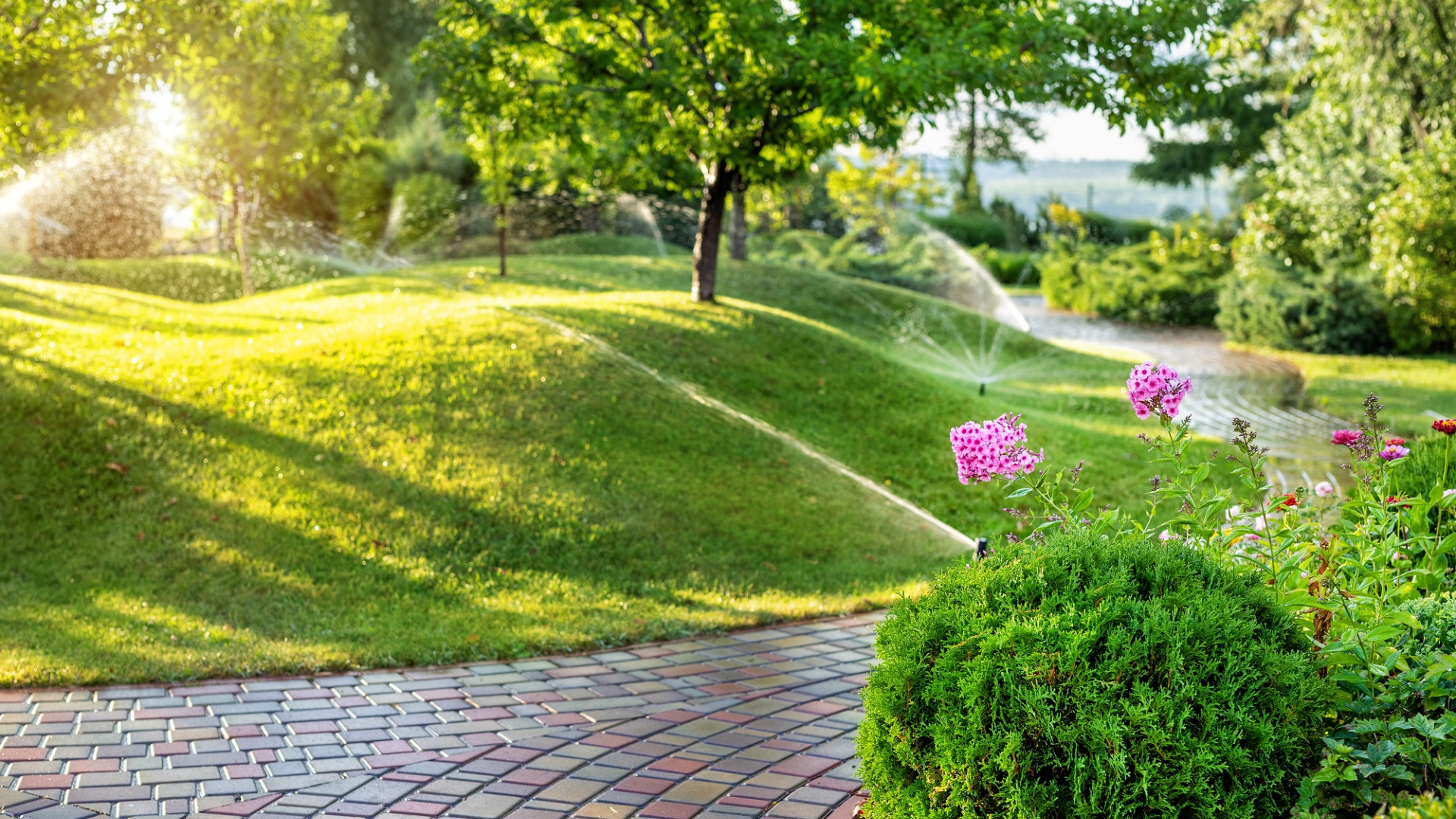
A solid landscaping maintenance plan is built around a few essential components. These are the areas that keep a property looking cared for while also preventing common issues that show up season after season.
If any of these pieces are missing, problems tend to stack up quickly, especially in Western New York's climate.
Turf upkeep goes beyond cutting grass on a schedule. It's about keeping the lawn healthy, evenly maintained, and resilient through temperature swings and foot traffic.
This component typically includes:
In Buffalo, mowing height and timing matter more than many homeowners realize. Cutting too short during summer heat or too late in fall can weaken grass and leave it vulnerable heading into winter.
Planting beds frame the home and define the landscape, but they're also the first areas to look messy when maintenance slips.
Ongoing bed care usually covers:
Without routine attention, beds can become compacted, overrun, or uneven, which affects both appearance and plant longevity.
Shrubs and ornamental trees need regular care to stay healthy and balanced. This is not just about appearance.
Key elements include:
In areas like Buffalo, snow load and freeze-thaw cycles often cause breakage that needs to be addressed early in the season to prevent long-term damage.
Seasonal cleanups are what reset the landscape and prepare it for what comes next.
They usually include:
Skipping cleanups often leads to issues like poor turf growth, mold, and uneven soil conditions when the next season begins.
Even simple drainage issues can cause lasting damage if ignored.
This part of maintenance involves:
Buffalo's spring thaw can quickly expose drainage problems, making early checks especially important.
Landscaping maintenance also includes attention to the areas people walk on and around every day.
This often covers:
These details help keep outdoor spaces safe while maintaining a polished look.
Also Read: Snow Mold Lawn Treatment: Best Prevention Steps (2026)
Now, let's lay out a simple seasonal landscaping maintenance plan for Buffalo, showing how these components fit together throughout the year and what to prioritize in each season.
Buffalo's climate is defined by significant seasonal shifts, long, snowy winters, and relatively short but intense growing seasons. Because of this, landscaping maintenance isn't a "set it and forget it" routine.
What works in spring won't work in mid-summer, and fall preparation can determine how well your outdoor space handles winter and springs back again.
Below is a clear, season-by-season plan that aligns with Buffalo's typical weather patterns and landscaping needs.
Spring is when everything begins again. Snowmelt, freeze-thaw cycles, and lingering winter debris make this the most critical reset period for your yard.
Key tasks Buffalo homeowners should prioritize:
These efforts help ensure your lawn and plantings recover from winter stress and build strong root systems before heavy growth begins.
Once spring growth transitions into summer activity, the goal shifts from "reset" to "sustain.”
Important summer tasks include:
Summer maintenance is less about big changes and more about consistent attention and minor adjustments that keep everything stable.
For Buffalo lawns, fall is the most strategic season, when soil temperatures are still warm, but the air is cooler. This makes it ideal for building lasting root strength and repairing summer wear.
Fall tasks that pay off the following year include:
Fall maintenance often determines how well a lawn survives winter and how lush it looks the following spring.
Even though plants slow their growth or enter dormancy, winter management still matters, especially in a snow-prone region like Buffalo.
Tasks homeowners should remember include:
This kind of seasonal planning, instead of ad-hoc weekend chores, helps prevent buried issues and forms the backbone of healthy landscapes in climates with wide weather swings.
Suggested Read: How to Aerate and Overseed Your Lawn for a Thicker, Healthier Turf

Maintaining a yard that thrives in Buffalo's shifting seasons can be rewarding, but it also comes with real challenges. Some tasks are straightforward for homeowners to do on their own, while others require specialized experience, tools, and planning.
Know which jobs most homeowners can handle, and which are best left to professionals with local expertise and a structured maintenance plan.
Some aspects of landscaping maintenance are well-suited for DIY care. These tasks help keep your property tidy between scheduled maintenance visits:
These efforts maintain appearance and help prevent obvious problems from getting worse. With basic tools and a good schedule, many homeowners find these tasks manageable without professional help.
However, these are supporting tasks, not full maintenance plans. They keep things neat between larger service windows.
Other landscaping tasks require planning, skill, or equipment that homeowners may not have, and skipping them can lead to recurring problems or higher long-term costs.
Here are the services that most homeowners benefit from hiring a professional:
For many homeowners, this means fewer surprise repairs, fewer bare patches in spring, and a healthier lawn overall without spending every weekend doing chores.
If you're handling the basics but still see the same problems return every year, it may be time for a more structured approach. Percy's Lawn Care works with homeowners who want fewer repeat issues and a clearer, long-term plan for landscape health.
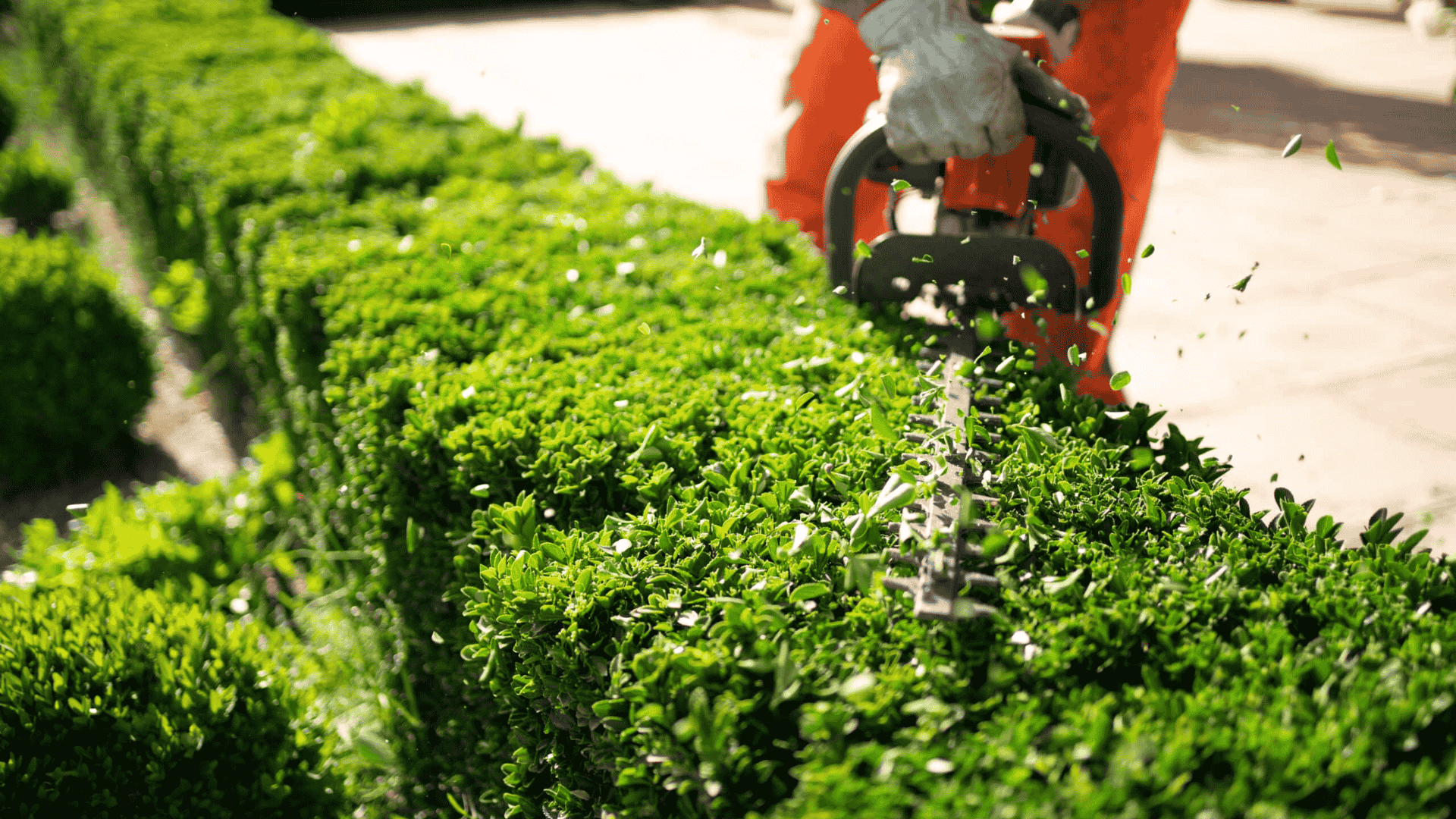
Not all landscaping maintenance plans are created equal. Many homeowners assume they're getting full coverage, only to find out later that key tasks were excluded or handled inconsistently.
Before committing to a plan, asking the right questions upfront helps you avoid gaps, surprise costs, and seasonal headaches.
Below is a clear checklist Buffalo homeowners can use to evaluate any landscaping maintenance agreement.
A solid plan should clearly separate routine services from seasonal work.
Ask for clarity on:
If a service can’t clearly explain this, it often leads to missed tasks during peak seasons.
Buffalo landscapes change fast between seasons. Your maintenance plan should account for that.
Ask:
A strong plan adapts to changing conditions rather than sticking to a rigid calendar.
Maintenance is not just labor; it's observation. Make sure someone is responsible for:
Without this oversight, problems often go unnoticed until they are costly to fix.
Every property has unique challenges. Ask how the plan handles:
Clear answers here show whether the service is truly customized or one-size-fits-all.
Consistency matters more than one good visit.
Ask:
This is often the difference between a yard that looks good once in a while and one that stays well-kept all season.
Good maintenance plans include clear communication.
Find out:
Clear communication prevents misunderstandings and keeps expectations aligned.
Landscaping maintenance works best when it's proactive, not reactive. Asking these questions upfront helps ensure the plan you choose covers what your property actually needs through Buffalo's changing seasons.
Landscaping maintenance doesn't stop when the grass stops growing. Buffalo's long winters, heavy snowfall, and spring thaw all affect soil structure, plant health, and how a property recovers each year.
At Percy's Lawn Care, landscaping maintenance is approached as a year-round system rather than a series of one-off tasks. As a family-owned company serving Buffalo, Amherst, Cheektowaga, and surrounding areas since 1999, the team understands how local weather patterns shape long-term landscape health.
Support for homeowners includes:
Percy's Lawn Care offers free on-site consultations to build a plan that fits the property and the climate. You can reach us at (716) 245-5296 or hello@percyslawncare.com to discuss seasonal planning or ongoing maintenance needs.
Landscaping maintenance works best when it's planned, consistent, and tied to the realities of Buffalo's seasons. A clear maintenance plan helps prevent common issues such as compacted soil, thinning grass, overgrown beds, and damage that occurs after the winter thaw. It also makes seasonal shifts easier, because each step builds on the last instead of starting over every spring.
Percy's Lawn Care has helped homeowners across Buffalo, Amherst, and Cheektowaga manage their landscapes this way since 1999. By treating landscaping maintenance as a year-round system, not a checklist of one-time services, properties stay functional, safe, and well cared for in every season.
For homeowners who want a maintenance plan that fits their property and local conditions, get free on-site consultations to get started with clarity and confidence.
Q. How much landscaping maintenance does a typical Buffalo property need each year?
Most Buffalo homes require active maintenance from early spring through late fall, plus winter services such as snow management. The exact level depends on lot size, tree coverage, drainage, and how the property handles snowmelt and freeze-thaw cycles.
Q. Can poor landscaping maintenance cause long-term lawn or soil damage?
Yes. Skipping cleanups, ignoring compaction, or allowing poor drainage can weaken root systems and degrade soil structure over time. These issues often show up as recurring bare spots, standing water, or slow spring recovery.
Q. Is landscaping maintenance different for older properties in Buffalo?
Older properties often need more attentive maintenance due to mature trees, compacted soil, and outdated grading. These factors increase leaf buildup, shade stress, and drainage challenges, requiring a more customized approach.
Q. When is the best time to start a landscaping maintenance plan?
Early spring is ideal, but fall is often overlooked and just as important. Starting before winter allows for cleanup, drainage checks, and soil preparation that reduce damage during the snow season and improve spring results.
Q. Does snow removal affect landscaping maintenance results in spring?
Absolutely. Where snow is piled, how de-icer is used, and how surfaces are cleared all influence turf health and soil condition after thaw. Poor winter practices can lead to dead patches, salt damage, and delayed green-up.